
Vandaag of morgen in huis

Kwaliteit gegarandeerd

Welkomstaanbiedingen ontgrendelen: GRATIS bezorging | Tot 80% korting | Gratis 30 dagen JoyPlus-proefperiode
Download de app
When you’re looking for healthy snacks, you’ll quickly come across terms like “protein”, “no added sugar” and “high in fibre”. On their own, these words don’t tell you whether a product actually suits your eating occasion. A bar for on the go needs different qualities than granola for breakfast or a snack after exercise.
What’s more, the packaging can give a misleading impression. So it’s essential to focus on the nutrition table, ingredients list and allergen information.
A product can be relatively high in protein and still contain sugar, fat or a lot of calories. For example, the Liga Protein Bar Cranberry states 14 grams of protein and 28 grams of sugar per 100 grams. That makes the bar interesting as a protein-rich snack, but it doesn’t automatically make it suitable for every dietary choice.
Always compare several values at the same time:
“No added sugar” doesn’t always mean a product contains no sugars. Some products contain naturally occurring sugars from, for example, milk or fruit. Others use sweeteners or sugar substitutes.
According to the product information for Optimum Nutrition Nutty Chocolate Caramel Bar, this bar contains no added sugars, but does have naturally occurring sugars. The manufacturer also notes that excessive consumption may have a laxative effect. So check the ingredients and nutritional values rather than just the front of the packaging.
A snack that’s high in fibre isn’t automatically suitable for everyone. Bites We Love Chewy Oat Bars Chocolate states 29 grams of fibre per 100 grams and 8.6 grams per 30-gram bar. The ingredients list includes tapioca fibre and chicory root fibre, among others. For some people, that might be a reason to start with a small portion.
Even with gluten-free snacks, you need to read the allergen information. Oats are listed separately and may be relevant for some consumers. Always check the current packaging, especially if you have an allergy or intolerance.
Comparing per 100 grams is useful, but a bar doesn’t always weigh 100 grams. According to the product information, a Bites We Love bar contains 115 kcal per 30-gram serving, while a larger protein bar can provide more energy per eating occasion.
For snacks on the go, individually wrapped portions are practical. For breakfast cereals and granola, it’s wise to measure out a portion in advance. That way, you avoid accidentally eating more than the nutrition table indicates.
Ingredients are listed in descending order by weight. So look at which ingredients come first. That gives you more context for terms like “with grains”, “with nuts” or “with protein”.
Also pay attention to the protein source:
According to the product information for Holie’s Granola Protein Crunch, the mix includes sunflower seeds, wholegrain oats, barley, soya, spelt, chicory root fibre and nuts. The nutritional values state 20 grams of protein and 15 grams of fibre per 100 grams. These are verifiable product details, not a general guarantee of a particular health effect.
EU food information regulations require that major allergens are clearly indicated. When making any purchase, check for:
With the Be-Kind Dark Chocolate Nut Bar, almonds and peanuts are listed as allergens; milk and other nuts may be present according to the product information. The Liga Protein Bar Peanut contains peanut, milk, soya and gluten-containing cereals, among other things. So a product name alone isn’t enough to determine suitability.
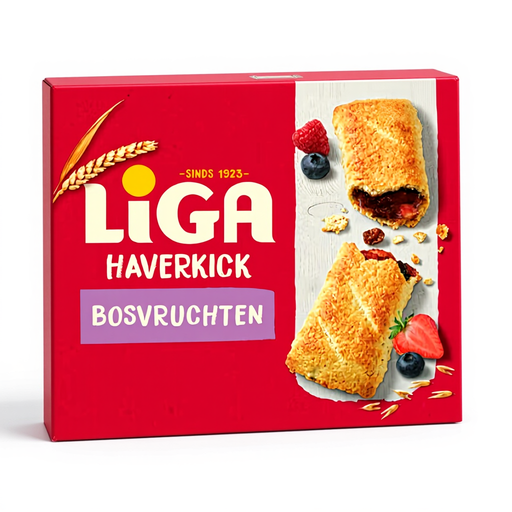
Why this fits the profile: Individually wrapped portions make these oat bars practical for work, school or on the go. According to the product information, the pack contains six portions.
The portion size is clear and manageable. However, do check the stated 31 grams of sugar and 4.6 grams of fibre per 100 grams before ordering.
Six individually wrapped portions; source of fibre according to the product description.
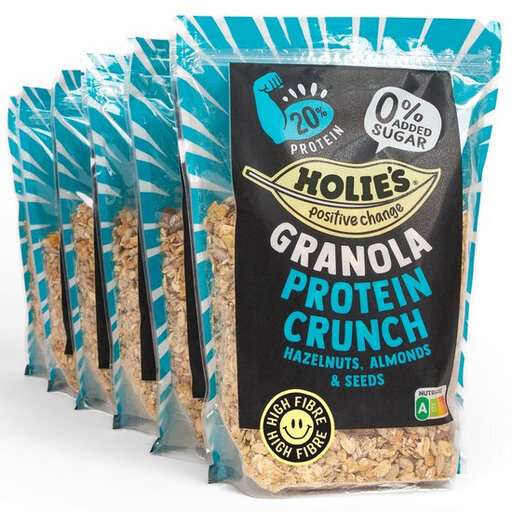
Why this fits the profile: Ideal for anyone who wants to compare breakfast cereals on protein, fibre and ingredients. The pack contains six 350-gram bags.
The product information states both 20 grams of protein and 15 grams of fibre per 100 grams. Compare this with your usual portion.
20 grams of protein; 15 grams of fibre; no added sugar according to the product description.
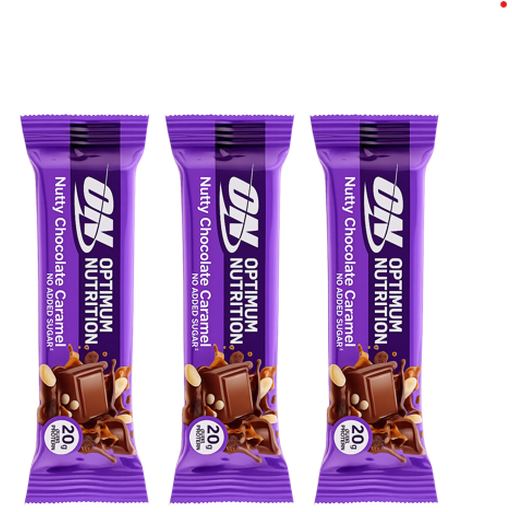
Why this fits the profile: A 70-gram bar with 20 grams of protein according to the product information, designed as a practical snack for adults with an active lifestyle.
The protein content is stated per bar. Also look out for milk, soya and peanuts as allergens, and note the warning about excessive consumption.
20 grams of protein per bar; pack of three; suitable for vegetarians according to the product information.
We’ve put together a full, up-to-date list of products that fully meet these strict selection criteria and comply with current European safety regulations.
Choose a product with a clear portion size and packaging that’s easy to carry. Individually wrapped oat bars or protein bars are practical. Also compare sugar, fibre, protein and allergens per portion.
Not necessarily. A protein bar can be handy when you need extra protein in a compact format, but also check calories, fats, sugars, sweeteners and portion size. Use the nutrition table as your starting point, not just the product name.
The best-before date is on the packaging. Store bars, granola and other snacks according to the instructions – usually in a cool, dry place away from direct sunlight. Seal an opened pack properly and don’t use a product if the packaging is damaged.
