
Vandaag of morgen in huis

Kwaliteit gegarandeerd

Welkomstaanbiedingen ontgrendelen: GRATIS bezorging | Tot 80% korting | Gratis 30 dagen JoyPlus-proefperiode
Download de app
Buying a snack seems simple, but packaging can give an incomplete picture. Terms such as “no added sugar”, “high in protein” or “organic” only tell you something when you also check the nutrition table, ingredients list and serving size. So if you are looking for healthy snacks for home, work, exercise or on the go, it is worth comparing marketing claims with verifiable product specifications.
A product with no added sugar can still contain relatively high levels of energy, fat or carbohydrates. Some cereal bars use sweeteners such as maltitol. In that case, polyols may be listed on the label. A high intake can have a laxative effect for some people. So do not just look at the front of the pack. Also check carbohydrates, sugars, polyols and energy per serving.
High-protein snacks are often compared using values per 100 grams, even though in practice you may eat only 25 to 50 grams. A bar containing 50 grams of protein per 100 grams provides around 25 grams of protein in a 50-gram serving. That may be relevant for athletes, but the bar may also contain sweeteners, milk ingredients, soya or other allergens.
Organic snacks are assessed according to organic production requirements, not automatically according to their sugar or calorie content. Gluten-free snacks meet a different purchasing criterion, but may still contain salt, fat or sweeteners. With high-fibre snacks, it is sensible to check the amount of dietary fibre per serving. If you have allergies, always check the full packaging and the warning about possible traces.
Use the value per 100 grams to compare products fairly. Use the serving value to determine what you will actually consume. Pay particular attention to:
For example, a nut mix often contains relatively high levels of energy because of its natural fats. A single-serving pack is practical because it helps you avoid eating a large amount without realising it from an opened bag.
Ingredients are listed in descending order by quantity. If, for example, lentil flour is the first ingredient, it forms the basis of the snack. Also check for milk, peanuts, nuts, soya, sesame and cereals containing gluten.
A product may be “free from artificial colourings” but still contain several sweeteners, syrups or emulsifiers. That is not automatically a problem, but it helps you choose something that suits your own preferences.
For snacks on the go, individually wrapped portions are useful. They fit in a bag, desk drawer or lunchbox and make portion control easier. At home, granola, muesli and larger packs may offer better value, especially if you use them with yoghurt, milk or fruit.
Also consider how the product is prepared. Family Whole Purple Sweet Potato Yam Oat Flakes are mixed per sachet with approximately 175 ml of boiling water. That is practical at home or in the office, but less suitable when you do not have access to hot water while travelling.
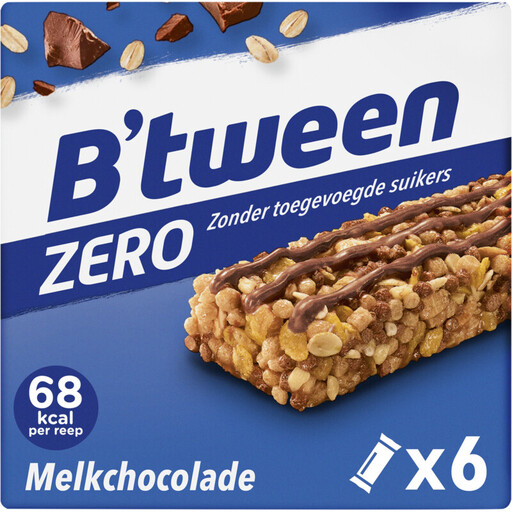
Why it suits this profile: Individually wrapped bars are easy to take with you and make a convenient snack for school, the office or a walk.
The product information states 68 kcal per bar and no added sugar. Do check the polyols, however: these are listed at 42 g per 100 g.
6 individual bars; 5.3 g of fibre and 7.3 g of protein per 100 g according to the product information.
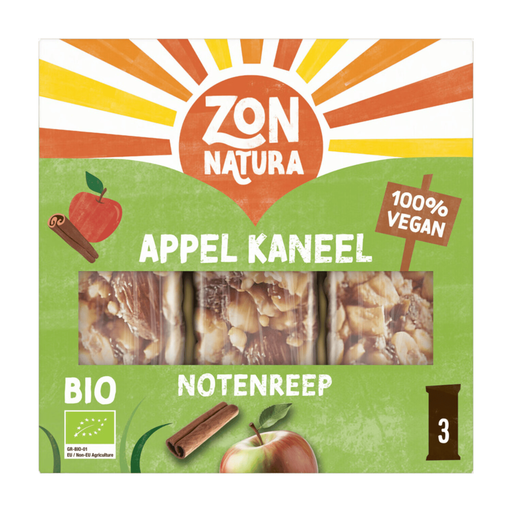
Why it suits this profile: This organic nut bar combines peanuts, almonds, apple and cinnamon in small portions for home or on the go.
The pack contains 3 portions of 25 g, making the quantity clear in advance. Do pay attention to the sugar content of 24 g per 100 g.
Organic ingredients; 7.1 g of fibre and 19 g of protein per 100 g according to the label.

Why it suits this profile: Designed for athletes and users who deliberately want a high protein intake from an individual bar.
The product information states the values both per 100 g and per bar: 25 g of protein, 0.7 g of sugar and 179 kcal per 50 g.
50% protein per 100 g; 50 g serving; contains milk protein and hydrolysed collagen.
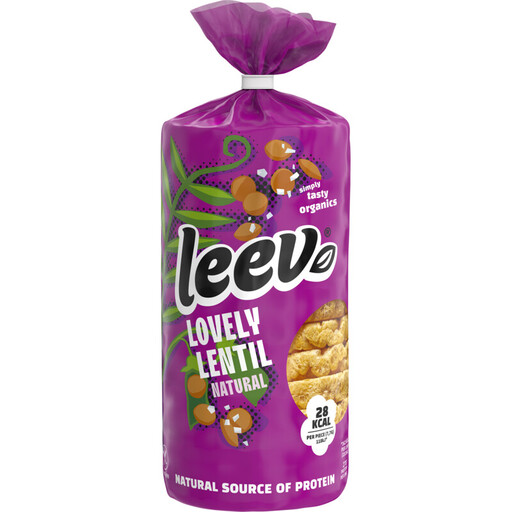
Why it suits this profile: A savoury, crunchy choice for anyone looking for gluten-free snacks with a high level of plant-based protein.
The ingredients list states 99.5% lentil flour and sea salt. The product information describes the product as gluten-free; if you have allergies, also check the warning about possible traces of soya.
27.3 g of protein and 5.4 g of fibre per 100 g; approximately 28 kcal per wafer according to the product information.
We have put together a complete, up-to-date list of products that fully meet these strict selection criteria and the applicable European safety regulations.
For a family supply or a breakfast with an added snack element, granola and muesli are practical choices. BIO+ Granola Whole Wheat lists 9.3 g of fibre per 100 g and 0.032 g of salt. BIO+ muesli with nuts and fruit contains 9 g of fibre per 100 g and comes in a 450 g pack. Both contain cereals with gluten and nuts, so check the allergen information.
If you want to take a small portion with you, ChaCha Daily Nuts is a convenient option: 5 sachets of 23 g containing walnuts, cashews, almonds, hazelnuts and dried fruit. A nut mix is high in energy; the individual sachets help keep the portion size under control.
Individually wrapped cereal bars, nut bars, lentil wafers and single-serving packs of nuts are convenient for travelling. Check the shelf life, packaging and allergens beforehand. Products that require boiling water are mainly suitable for home or the office.
Not necessarily. Check whether “sugar-free” means that no sugar has been added or that the product actually contains little sugar. Also look at sweeteners, polyols, calories and serving size. The term should be assessed alongside the full nutrition table.
Leev lentil wafers list 27.3 g of protein and 5.4 g of fibre per 100 g. The Xxl Nutrition High Protein Bar lists 50 g of protein per 100 g, but only 1.3 g of fibre. A product that is high in protein is therefore not automatically high in fibre. Compare both values based on the serving you actually eat.
