
Vandaag of morgen in huis

Kwaliteit gegarandeerd

Welkomstaanbiedingen ontgrendelen: GRATIS bezorging | Tot 80% korting | Gratis 30 dagen JoyPlus-proefperiode
Download de app
Choosing a snack that fits your eating pattern seems simple. Yet packaging is often covered with terms such as “light”, “natural”, “gluten-free” or “sugar-free”. These words do not always tell you how many calories, carbohydrates, fats or how much salt a serving contains. An organic or vegan snack can still be high in energy or sugar.
In this guide from the Joybuy Product Recommendation Officer, you’ll learn what to look for when choosing healthy snacks for home, school, the office or on the go. The selection is based on verifiable information from product descriptions, ingredient lists and nutrition tables.
A product may contain no refined sugar while still providing naturally occurring sugars or sweeteners. According to the product description, Zonnatura Organic Nut Bar with Apple and Cinnamon is sweetened only with agave syrup. However, the nutrition table states 24 grams of sugar per 100 grams. This is important if you are specifically looking for sugar-free snacks.
Therefore, always check:
Gluten-free snacks are suitable for people who avoid gluten, but gluten-free does not automatically mean low-calorie. Granola, nut bars and wafers can still contain relatively high amounts of fat or carbohydrates.
When choosing gluten-free snacks, check the official allergen information. Oats, for example, may be labelled gluten-free, but cross-contamination or traces of other grains can vary by product. If you have an allergy or coeliac disease, it is advisable to check the current packaging.
A 45-gram bag or a 155-gram pouch may seem easy to manage, but nutritional values are usually listed per 100 grams. A 25-gram nut bar with 528 kcal per 100 grams contains approximately 132 kcal per bar. That gives a very different impression from looking only at the figure in the table.
Always compare like with like: both per serving and per 100 grams.
When choosing low-calorie snacks, do not rely solely on the claim on the front of the pack. Check energy, fat, saturated fat, carbohydrates, sugars, fibre, protein and salt. A low-calorie snack may contain little protein or fibre, for example, making it less suitable for your planned eating occasion.
Konjac jelly is a clear example. Depending on the flavour and product variant, the Hethstia options list approximately 3 to 7 kcal per serving. According to the product information, they provide little fat and protein. They therefore suit someone looking for a light, sweet snack, but they are not the same as a high-protein snack.
Read the ingredients from top to bottom: the ingredient used in the greatest quantity is generally listed first. Also look out for:
A product labelled “plant-based” is not automatically vegan. Check whether it contains milk, honey, collagen peptides or other animal-derived ingredients. The MadeGood B’Day Cake Drizzled Granola Bar is described as vegan and organic in the product description, while the Hethstia variant containing collagen peptides cannot automatically be selected as a vegan snack.
For snacks on the go, individually wrapped portions, resealable packaging and products that do not require refrigeration are practical. Konjac jelly comes in a squeezable pouch and can be consumed straight away. Once opened, the pouch should be refrigerated and used within the stated period, according to the product information.
For chilled or soft products, check:
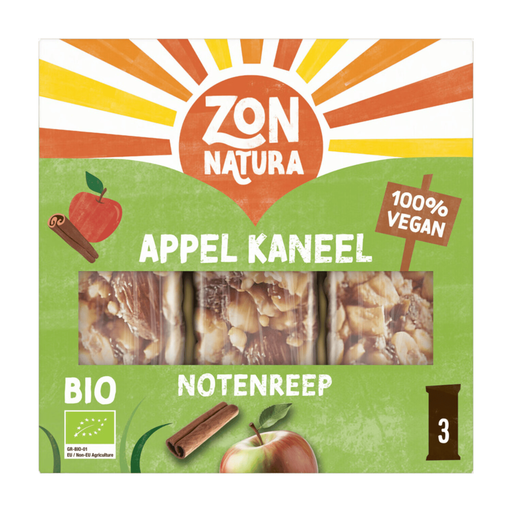
Why it’s a good fit: A compact bar for a work bag, schoolbag or bicycle bag. The pack contains 3 bars of 25 grams each.
The serving size is clearly defined, so you do not have to weigh out a large bag yourself. Do note the relatively high energy value per 100 grams and the presence of peanuts, almonds and sesame.
Organic according to the product listing, with 19 grams of protein and 7.1 grams of fibre per 100 grams.
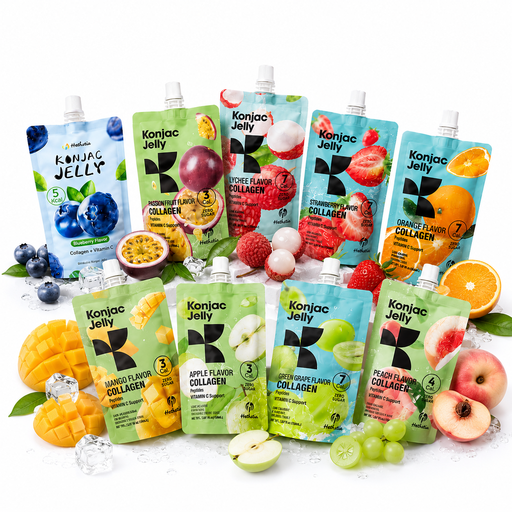
Why it’s a good fit: A selection of assorted fruit flavours for anyone who likes to switch things up at home or in the office.
The portions are individually packaged. Always check the current ingredient list, however: collagen peptides mean this set is not automatically vegan.
According to the product information, the variants contain approximately 5 to 7 kcal per pouch and no fat.
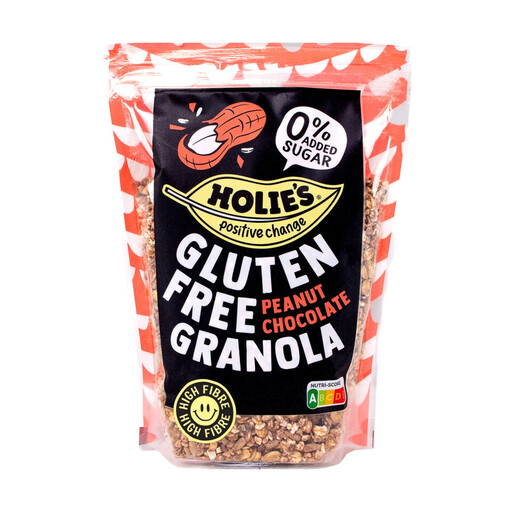
Why it’s a good fit: Ideal for breakfast, yoghurt or a measured snack at home. The 330-gram jar is less suited to eating straight from the pack without planning.
The table lists 438 kcal and 4 grams of sugar per 100 grams. “0% added sugar” does not replace checking the serving size.
Gluten-free oats according to the product description, with 14 grams of fibre and 15 grams of protein per 100 grams.
Would you like to compare different gluten-free snacks, vegan options, granola, nut bars, wafers or seaweed snacks? Take a look at the current category as well. For example, Sempio Original Seasoned Laver has a relatively high fat and salt content per 100 grams and contains sesame. According to the product information, Leev BIO Chickpea Waffles are made from chickpea and rice flour, but they also list soya as an allergen.
Browse our current selection and compare ingredients, nutritional values and dietary characteristics before ordering.
Choose an individual portion that does not require refrigeration and check the allergens in advance. A nut bar, organic chickpea wafer or unopened konjac jelly is practical to carry in a bag. For soft pouches, pay attention to the storage instructions after opening.
No. A low-calorie snack may contain little protein, fibre or nutritional value. According to the product information, konjac jelly is low in calories but also contains very little protein. Use it for a light snack occasion, and choose a nut bar, granola or wafer when you want a more filling option.
Check the full ingredient list and nutrition table. Alongside sugars, review sweeteners, carbohydrates and serving size. “Sugar-free” and “no added sugar” do not mean the same thing. If you have an allergy, follow a specific diet or have a medical dietary restriction, the current packaging remains the definitive source of information.
