
Vandaag of morgen in huis

Kwaliteit gegarandeerd

Welkomstaanbiedingen ontgrendelen: GRATIS bezorging | Tot 80% korting | Gratis 30 dagen JoyPlus-proefperiode
Download de app
A snack may seem simple to choose, but the packaging does not always tell the whole story. For example, a muesli bar labelled “no added sugar” may contain sweeteners and plenty of polyols. A nut mix may contain sugar, oil and quite a lot of salt alongside the nuts. And a protein bar may provide plenty of protein, but also contain milk, soya or sweeteners that do not suit your preferences.
If you are looking for healthy snacks to take with you, eat at work, have during exercise or pack for school, it is therefore worth looking beyond the claims on the front of the pack. Pay particular attention to the nutrition table, ingredients list, serving size and allergens.
A product may contain no added sugar and still contain naturally occurring sugars. This applies, for example, to dried fruit, dates and apples. Sweeteners such as maltitol or sucralose may also be used. For products containing polyols, the packaging often states that excessive consumption may have a laxative effect.
Therefore, check:
Protein bars vary considerably. According to the product information, the LiGA Protein Bar contains 14 grams of protein per 100 grams, while the XXL Nutrition High Protein Bar contains 50 grams of protein per 100 grams. This difference is relevant for athletes who plan their protein intake carefully.
At the same time, some bars contain milk ingredients, soya, peanuts or gluten. Always check the allergen information. Claims about nutritional value or how a product works come from the brand’s product information; do not treat them as personal nutritional advice.
According to the product labels, unsalted nuts and pistachios contain, among other things, fats, protein and fibre. However, they are also high in energy. A 250- or 300-gram bag is not the same as a portion for a single snack occasion.
For greater control, individual portion packs are useful. ChaCha Daily Nuts, for example, consists of five 23-gram bags. With larger bags, you can weigh out portions at home or divide them into small containers.
First compare products per 100 grams. This prevents a small bar from automatically appearing more favourable than a larger one. Then look at the actual serving:
A product with plenty of fibre may be worth considering if you are looking for high-fibre snacks, but a high fibre content may also be linked to ingredients such as chicory root fibre. Increase your intake gradually if you are not used to it.
Ingredients are listed in descending order by quantity. If glucose, fructose or agave syrup appears near the top of the list, it makes up a significant part of the product. With a nut bar containing, for example, peanuts and almonds, you can check whether nuts are actually the main ingredients.
Also look out for terms such as:
For snacks to take with you, individually wrapped bars or portion bags are practical. Check the best-before date on the packaging after delivery. Store bars, nut mixes and granola according to the product advice: usually in a cool, dry place away from direct sunlight. Seal an opened bag securely to help prevent loss of crunch and deterioration in quality.
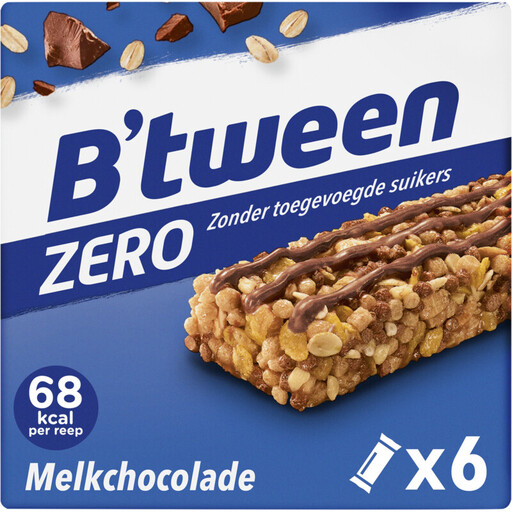
Why it suits this profile: Individually wrapped muesli bars are easy to take to school, the office or in the car. The product information states 68 kcal per bar; check the current packaging and serving size before buying.
The product information states that it contains no added sugars or artificial colourings. However, the ingredients list does mention maltitol and 42 grams of polyols per 100 grams, so bear this in mind.
Six bars, individually wrapped and made with oat, barley and wheat flakes. Contains milk, peanuts and gluten.
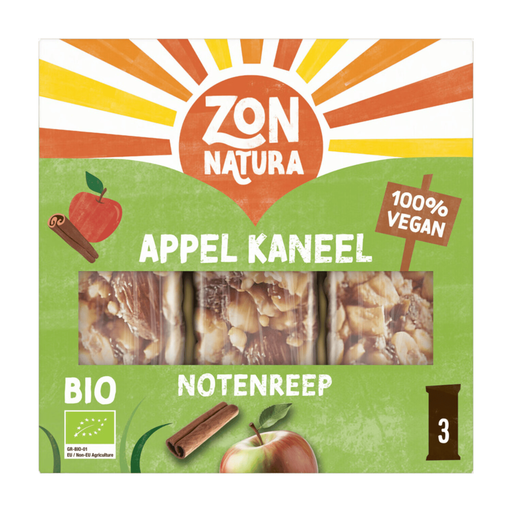
Why it suits this profile: A compact organic nut bar with apple and cinnamon for anyone who values a short ingredients list and a small portion.
The ingredients list includes peanuts, almonds, raisins, apple, cinnamon and agave syrup. This makes it immediately clear where the sweet flavour comes from.
Three 25-gram bars, organic according to the product information, with 7.1 grams of fibre per 100 grams.

Why it suits this profile: Designed for athletes and users who deliberately want a protein bar with a fixed 50-gram portion.
The product information states that each bar contains 25 grams of protein and 0.7 grams of sugar. However, check whether milk, soya and sweeteners fit your dietary preferences.
50 grams of protein per 100 grams according to the label, and 179 kcal per bar according to the product description.

Why it suits this profile: Five small portions containing nuts and dried fruit are practical for lunchboxes, work and days when several people are taking a snack with them.
The portions are pre-divided, so you do not keep eating straight from a large bag. However, the mix contains raisins and sweetened cranberries; check this if you are looking for sugar-free snacks.
Five 23-gram bags containing walnuts, cashews, almonds, hazelnuts and dried fruit.
We have put together a complete, up-to-date list of products that fully meet these strict selection criteria and the applicable European safety regulations.
Choose a snack that does not leak or crumble easily and has a clearly defined portion. Individually wrapped muesli bars, protein bars, unsalted nuts or small nut mixes are practical choices. Check the allergens and storage advice in advance, particularly in warm weather.
Not necessarily. Look at the total amount of carbohydrates, sugars and polyols. A bar may contain no added sugar but still include sweeteners, chocolate or naturally occurring sugars from fruit. Therefore, compare several products per 100 grams and per bar.
Always follow the best-before date and storage advice on the packaging. After opening, nuts and granola generally stay crunchy for longer when you seal the bag properly and store it somewhere dry and cool, away from direct sunlight. Do not smell or taste a product if the packaging is damaged or if it clearly smells rancid.
