
Vandaag of morgen in huis

Kwaliteit gegarandeerd

Welkomstaanbiedingen ontgrendelen: GRATIS bezorging | Tot 80% korting | Gratis 30 dagen JoyPlus-proefperiode
Download de app
Buying healthy snacks may seem straightforward, but packaging does not always tell the full story. For example, a product may claim “no added sugar” while still containing relatively high levels of natural or concentrated sugars. Terms such as organic, high-protein and gluten-free only tell you something once you have checked the ingredients list, nutritional values and allergens.
For Dutch households, three pitfalls are particularly important:
Confusing marketing terms with nutritional values
“High-protein”, “light” or “natural” does not give you the complete picture. Always compare protein, sugar, fibre, fat and portion size per 100 grams or per serving.
Underestimating a small portion
A protein bar may contain little sugar per bar, but it could still be high in calories or sweeteners. With granola, the recommended serving is often smaller than the amount that ends up in your bowl without you realising it.
Overlooking allergens and age recommendations
The ingredients list is particularly important for nut mixes, protein products and baby food. Also check the age indication, preparation instructions and information on the packaging. Product information online may change.
A product that is low in sugar is not automatically suitable for every occasion. For breakfast, high-fibre breakfast products such as porridge oats or granola can be a practical choice. After exercise, the protein content may be more important.
Look out for these points:
According to the nutritional information provided, Leev Dutch Oatmeal contains 14 grams of protein, 10 grams of fibre and 1 gram of sugar per 100 grams, among other nutrients. The product description calls the oats organic and gluten-free, but also lists “gluten” under allergens. This is contradictory information. If you are specifically looking for gluten-free porridge oats, it is therefore wise to check the current packaging and allergen information before buying.
“Organic” refers to the origin and production method of the ingredients; it does not automatically mean that a product is low in sugar, calories or allergens. According to the product information, Bio+ B+ Granola Whole Wheat contains wheat, oats, barley, rye, raisins, hazelnuts and almonds, among other ingredients. This means that it may not be suitable for everyone with an allergy or intolerance.
Nut mixes also deserve careful attention. According to the ingredients list, g'woon Oat Student Unsalted contains 40% raisins, 38% peanuts, cashews, almonds and sunflower oil. g'woon Elite Oats Bag contains almonds, hazelnuts, walnuts, Brazil nuts and sulphite, among other ingredients. Always read the full allergen information, even when the packaging gives the product a healthy appearance.
For snacks on the go, an individually wrapped bar or a pouch with a spout is practical. Larger packs are often more convenient for use at home, but pay attention to the shelf life after opening and the storage instructions.
For protein products, also check:
According to the product information, Optimum Nutrition 100% Gold Standard Isolate contains 25 grams of protein per serving of approximately 31 grams and less than 0.5 grams of sugar per serving. It is a food supplement and not a replacement for a varied diet. If you have a milk or soya allergy, always check the label.
For baby food, age, texture, ingredients and hygiene are more important than marketing claims. According to the product details, Olvarit Apple-Banana-Orange is intended for babies from 6 months. Organix products in the range are indicated for children from 12 months. Do not give these products to a younger child based solely on the flavour; follow the label and the manufacturer's instructions.
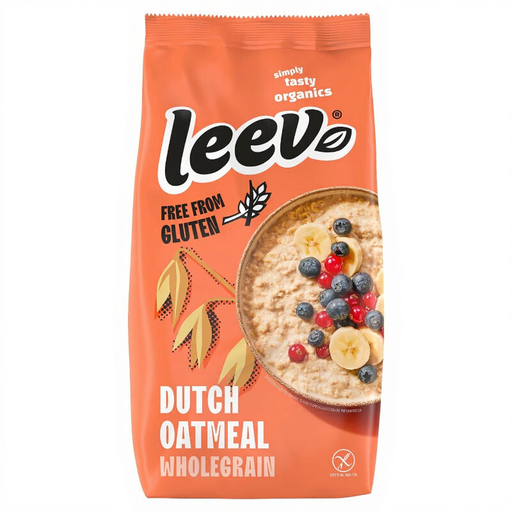
Why it suits this profile: A breakfast staple that you can eat cold with milk, yoghurt or quark. The ingredients list contains only wholegrain oats from organic farming.
The nutritional values are clearly stated. However, check the contradictory information about gluten on the current packaging.
14 g of protein and 10 g of fibre per 100 g; 450 g contents; organic according to the product description.
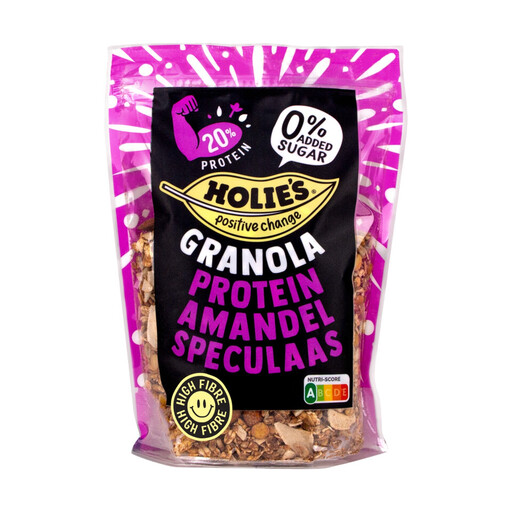
Why it suits this profile: Ideal if you are looking for granola with a higher protein and fibre content and a distinctive speculaas flavour.
“0% added” is backed up with concrete figures: 20 g of protein, 14 g of fibre and 3.4 g of sugar per 100 g.
20 g of protein and 14 g of fibre per 100 g; carefully check ingredients containing soya, peanuts, almonds and cereals.
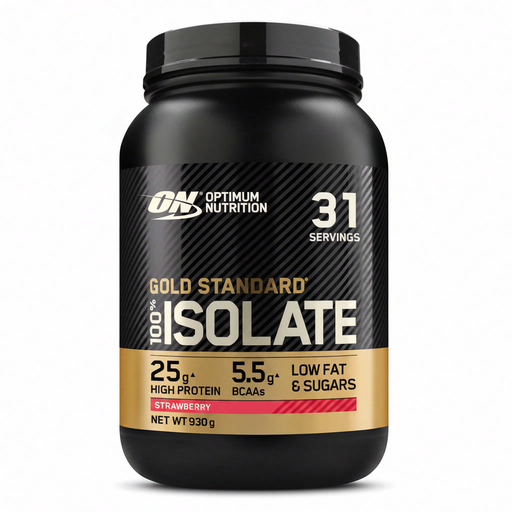
Why it suits this profile: A powder for athletes who want an easy way to supplement their protein intake with a shake after training or between meals.
The serving size and dosage are clearly stated: approximately 31 g of powder providing 25 g of protein. The product is not a replacement for a varied diet.
25 g of protein per shake; 31 servings per pack; contains milk and soya.
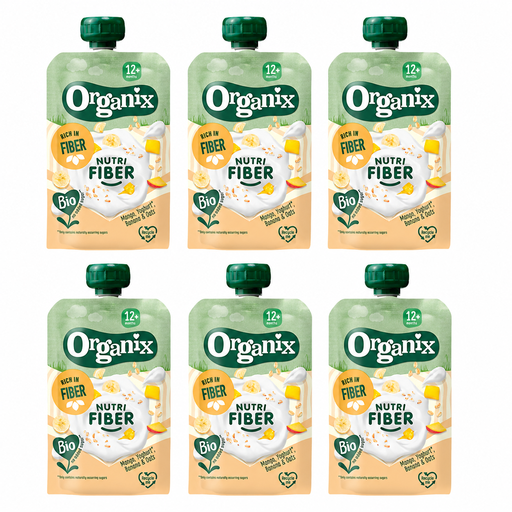
Why it suits this profile: A convenient portion pack for parents looking for organic baby food and a practical snack for on the go.
The 12M+ age indication makes the intended use clearer. Check the current ingredients and packaging before use.
Six 100 g pouches; intended for children from 12 months; suitable as a fruit purée for babies and toddlers according to the product description.
For a compact high-protein snack, Barebells Protein Bars Hazelnut & Nougat are worth comparing on the label: the product information states that each 55 g bar contains 20 g of protein, 2.9 g of fibre and 1.4 g of sugar. Polyols may cause gastrointestinal discomfort for some people if consumed excessively, so follow the warning on the packaging.
If you are looking for a snack that requires little preparation, you could also consider the Holie’s Chewy Bar Amandel Speculaas. According to the product information, this bar contains 23 g of protein and 24 g of fibre per 100 g, but also contains wheat, spelt, almond and barley. This may be practical for a family without nut or gluten restrictions; if you have allergies, checking the label is essential.
We have put together a complete, up-to-date list of products that fully meet these strict selection criteria and the applicable European safety regulations.
Choose a portion that suits the occasion and check the sugar, protein, fibre and allergen content. A protein bar is practical, while fruit purée in a pouch with a spout can be particularly convenient for young children. For baby food, always read the age indication.
No. Compare the protein content with sugar, calories, fat, sweeteners and polyols. A bar containing 20 grams of protein can be a useful addition, but it is not a replacement for a varied diet. Also check for milk, soya, peanut and tree nut allergens.
Store dry products in a cool, dry place away from direct sunlight. Seal the packaging securely after opening. Check the best-before date on the packaging and do not use a product if its packaging is damaged. For baby food, always also follow the instructions for storage after opening.
