
Vandaag of morgen in huis

Kwaliteit gegarandeerd

Welkomstaanbiedingen ontgrendelen: GRATIS bezorging | Tot 80% korting | Gratis 30 dagen JoyPlus-proefperiode
Download de app
The search for healthy snacks can feel like navigating a maze. Packaging screams for attention with claims like "natural," "plant-based," or "lower in fat." But when you turn over the label, it often tells a different story. It's easy to fall for marketing tricks that make a snack seem healthier than it is.
As a Joybuy Product Recommendation Officer, I'm here to help you cut through the noise. We'll focus on what really matters, so you can make choices you feel good about without falling into the usual traps.
Before you start ordering snacks online, it's crucial to recognise the most common forms of deception. Manufacturers are clever, but with the right knowledge, you can be cleverer.
A bag of chips featuring images of fresh vegetables or a rustic farm instantly looks wholesome. Yet, many of these veggie chips are simply potato chips with a bit of vegetable powder for colour and flavour. The base often remains fried and high in calories and fat. The front entices, but the ingredients list and nutrition facts on the back reveal the truth.
A common tactic is to list nutritional values per "serving" of, for example, 25 grams, while a standard bag contains 150 grams. No one eats just a handful of chips. This makes the amounts of sugar, fat, and calories seem low, but if you eat the whole bag (which is more realistic), you're consuming a multiple of that. Always convert to 100 grams for a fair comparison.
Products advertised as low-sugar snacks can still be loaded with saturated fats or refined carbohydrates. To compensate for the lack of sugar, extra fats or artificial additives are sometimes used to improve taste and texture. A smart snack choice has a balanced profile, not just a single favourable attribute.
To make the right choice, you need to look beyond the marketing claims. Focus on three concrete specifications.
The rule is simple: the shorter the ingredients list, the better. Recognisable ingredients like vegetables, legumes, or nuts at the top of the list are a good sign. Pay specific attention to the following values per 100 grams:
Protein-rich snacks are a great option to satisfy hunger for longer.The way a snack is prepared has a huge impact on its nutritional value.
plant-based chips and contains significantly less fat.Ask yourself why you're looking for a snack. Is it for after a workout? Then protein-rich snacks with a good balance of carbohydrates are ideal for recovery. Looking for something to go with drinks? A fibre-rich veggie chip is a better choice than the traditional kind. By defining your purpose, you can search more effectively.
Below are some products that suit different needs, based on their specifications and how they avoid the pitfalls mentioned.

Why This Fits Their Persona: Ideal for post-workout recovery or as a filling snack. This bar is designed to support muscle repair without causing a sugar crash.
Many protein bars are packed with hidden sugars. According to Grenade's specifications, this bar contains only 1.3 grams of sugar per 60 grams, while delivering 21 grams of protein. This bypasses the "low-sugar isn't always functional" pitfall.
A high protein content (34g per 100g) combined with a low sugar content. The layered texture makes it a satisfying snack.
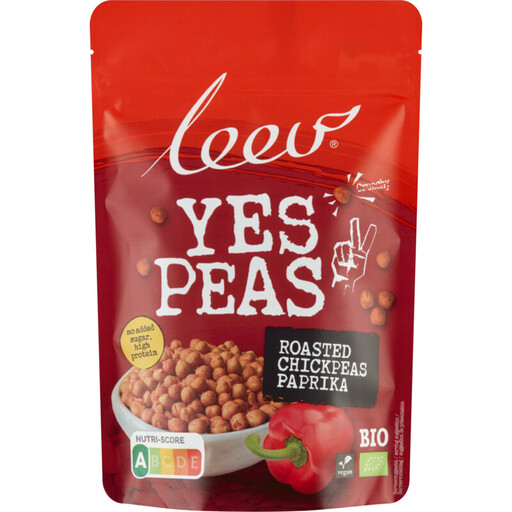
Why This Fits Their Persona: For those seeking a unique, nutritious, and organic snack. These roasted chickpeas are an interesting alternative to traditional savoury snacks and `plant-based chips`.
This product bypasses the "empty calories" pitfall. Instead of a potato or corn base, it's made from chickpeas. This results in a snack that is naturally rich in nutrients.
Extremely high in fibre (29.4g per 100g) and protein (22.3g per 100g). Organic, with no added sugars, and roasted instead of fried.
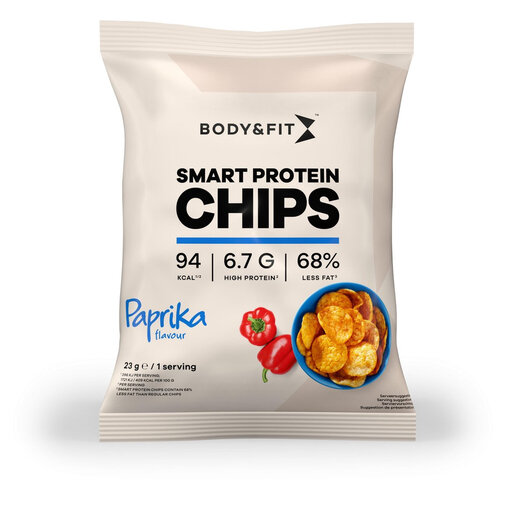
Why This Fits Their Persona: For those who want the taste and texture of traditional chips, but with a better nutritional profile. Conveniently packed in single-serving bags, ideal for the whole family or as an on-the-go snack.
This product directly tackles the "high-fat" pitfall. According to Body&Fit, the chips are prepared with hot air, not fried, which means they contain an average of 68% less fat than regular chips.
A protein-rich snack (29g per 100g) based on soy and potato. With less than 95 kcal per bag, it offers a controlled and smarter snacking experience.
We have curated a complete, up-to-date list of products that fully meet these strict selection criteria and local regulations.
A smart snack choice is about more than just calories. It's about nutritional value. A good snack is minimally processed, contains little to no added sugars and unhealthy fats, and provides beneficial nutrients like protein, fibre, vitamins, or minerals. The most important thing is that the snack contributes to your satiety and nourishes your body, rather than just providing empty calories.
Not necessarily. The preparation method is the deciding factor. Fried veggie chips can contain just as much fat and calories as traditional potato chips. An oven-baked potato chip might be a better choice than a fried beet chip. Always compare the nutrition facts per 100 grams to make a fair assessment.
When choosing protein-rich snacks, it's tempting to only look at the grams of protein. However, pay close attention to the sugar content as well. Many bars and cookies use sugar or syrup to improve the taste. Also, check the source of the protein (e.g., whey, casein, soy, or a plant-based blend) and whether the serving size fits your goal, such as post-workout recovery or as a general snack.
