
Vandaag of morgen in huis

Kwaliteit gegarandeerd

Welkomstaanbiedingen ontgrendelen: GRATIS bezorging | Tot 80% korting | Gratis 30 dagen JoyPlus-proefperiode
Download de app
When you search online for healthy snacks and breakfast cereals, you’ll quickly come across terms like organic, sugar-free, high-protein and gluten-free. These labels can be useful, but they don’t always tell the full story. A product might be low in sugar, for example, yet still contain a fair amount of calories or saturated fat. Similarly, a pack might shout “gluten-free” while the allergen information on the product page needs a closer look.
As a Joybuy Product Recommendation Officer, I filter product information based on verifiable points: ingredients, nutritional values, allergens, portion size and ease of use. This way, you avoid being swayed by an appealing claim that doesn’t actually fit your eating habits.
Sugar-free biscuits sometimes contain sweeteners such as maltitol. That doesn’t mean the product is low in carbohydrates or calories. According to the product information, the Panpan Low GI Sugar-Free Oat High Fiber Biscuits provide 470 kcal and 58.3 grams of carbohydrates per 100 grams. So you should always compare the term “sugar-free” against the full nutritional table.
Also watch out for words like “reduced sugar”. The Family Whole Reduced Sugar Oatmeal with Milk still contains 17 grams of sugars per 100 grams according to the listed information. What’s more, a separate packet of pure glucose is included. That can be handy for flexible use, but it doesn’t automatically suit someone looking to limit added sugars or fast carbohydrates.
For people with coeliac disease or an allergy, marketing text isn’t enough. Always check the ingredients list, allergen declaration and any warning about cross-contamination.
With Madegood Granola Mixed Berry, gluten-free oats are mentioned, but the product information supplied also states “Contains: gluten”. Those details don’t seem to fully match up. In such a situation, don’t choose based on the front of the pack. Check the current labelling or contact the seller before you order.
A bag of 800 grams might look like good value, but the composition can vary a lot. A breakfast product with lots of grain, creamer, sugar or salt is very different from a basic product you top up yourself with fruit, yoghurt or nuts. So look at the portion size, the number of servings and the nutritional values per 100 grams.
Start with the first ingredient. If wholemeal wheat, oats, lentil flour or chickpea flour is at the top, that’s usually the product’s base. With Leev BIO Lentil Waffles, the ingredients list consists of 99.5% lentil flour and sea salt according to the product information. The waffles are described as gluten-free, but the allergen information mentions possible traces of soya. That makes them interesting for some gluten-free diets, but not automatically suitable for everyone with a soya allergy.
The Leev BIO Chickpea Waffles are made from 60% chickpea flour and 40% rice flour. Here too, soya is listed as an allergen or possible allergen. With rice crackers, nut bars and granola, sesame, peanuts, milk or other nuts can also appear.
Compare products on the same basis. A high-protein snack is especially relevant when you’re deliberately looking for more protein, for example after exercise or as a filling snack. The XXL Nutrition High Protein Bar Chocolate lists 50 grams of protein per 100 grams and 25 grams per 50-gram bar. However, milk, collagen, soya, peanuts and gluten-containing grains are among the allergens listed.
For fibre, wholemeal breakfast cereals and pulse-based products are practical options. Brinta Whole Wheat Cereal Breakfast provides 10 grams of fibre and 14 grams of protein per 100 grams. The ingredients list is short: wholemeal wheat flour and salt. The product does contain wheat and gluten.
“Organic” says something about the origin or production method of ingredients, but not automatically about the sugar, fat or salt content. The Zonnatura Organic Nut Bar with Apple and Cinnamon is organic and sweetened with agave syrup. Per 100 grams, the product information states 24 grams of sugars, 34 grams of fat, 7.1 grams of fibre and 19 grams of protein. The bar can be practical for on the go, but peanuts, almonds, other nuts and possibly sesame make checking allergens important.
With savoury lentil waffles and rice crackers, it’s mainly the salt content worth checking. Mitsuba Sea Salt Crackers contain 1.2 grams of salt per 100 grams according to the product data. They contain none of the 14 main EU allergens according to the listed information, but always check the current label if you have allergies.
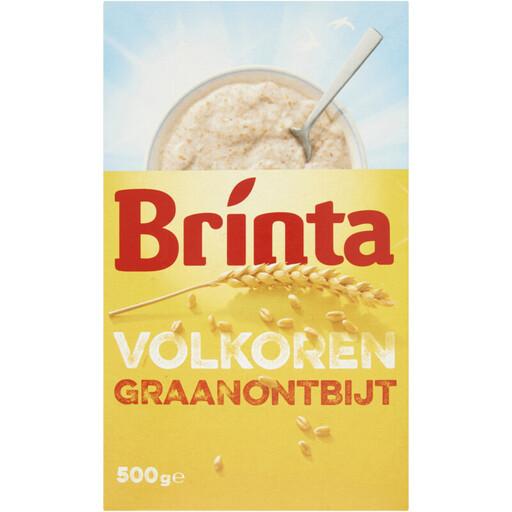
Why this fits the profile: A familiar breakfast staple with a short ingredients list and simple preparation with water or milk.
The nutritional values and ingredients are clear, so you’re less reliant on separate front-of-pack claims.
100% wholemeal wheat; 10 g fibre and 14 g protein per 100 g; source of several vitamins and minerals according to the product description.
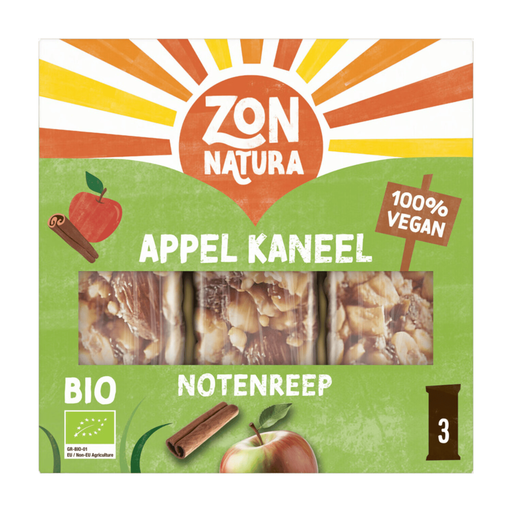
Why this fits the profile: Ideal for anyone looking for an organic, compact snack with nuts, apple and cinnamon for on the go.
The bar lists a clear composition and nutritional values; “organic” isn’t used as a substitute for that information.
Organic ingredients; 19 g protein and 7.1 g fibre per 100 g; pack of three 25 g bars.

Why this fits the profile: Aimed at athletes and users who want a clearly stated amount of protein per snack.
The amount of protein per bar is clearly stated. Do check the sweeteners and allergens before ordering.
25 g protein per bar; 179 kcal per bar according to the product description; individual 50 g format.
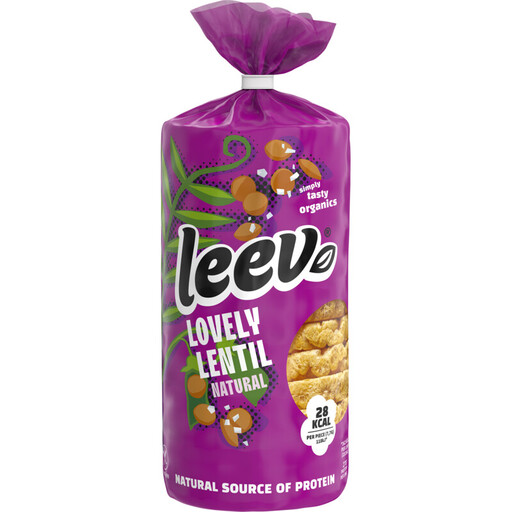
Why this fits the profile: A crunchy base for breakfast, lunch or a quick snack, with a short ingredients list.
The base is almost entirely lentil flour, so the composition is clearer than with composite snacks containing lots of additives.
27.3 g protein and 5.4 g fibre per 100 g; 28 kcal per waffle according to the product information; organic and described as gluten-free.
We’ve put together a full, up-to-date list of products that fully meet these strict selection criteria and current European safety regulations.
For variety, you could look at organic snacks, chickpea waffles, nut bars and granola. For a gluten-free diet, Leev BIO Chickpea Waffles and Mitsuba Sea Salt Crackers are possible options based on the product information provided. Always check the current allergen declaration.
If you prefer Asian flavours, you can combine healthy staple products with Asian seasonings. Healthy Boy Soybean Paste A contains soya and wheat and is also very salty: 9.6 grams of salt per 100 grams. So use it as a flavouring in small amounts, for example in stir-fries or a sauce. Soybean paste isn’t a snack, but it can be a practical pantry addition.
For fans of unusual products, Mooijer-Volendam Frozen Durian is an option with 100% durian. Store this frozen durian according to the pack instructions and do not refreeze after defrosting.
Choose a product with a clear portion size, such as a nut bar, protein bar or lentil waffle. Compare sugar, salt, protein, fibre and allergens in particular. A small pack helps you determine the portion in advance.
Not automatically. Check whether whole grains are actually high up the ingredients list and look at sugar, salt and fibre per 100 grams. Brinta, for example, lists 100% wholemeal wheat and 10 grams of fibre per 100 grams, but it does contain gluten.
A high protein content can suit athletes or people looking for a filling snack, but the product may also contain milk, soya, peanuts, gluten or sweeteners. So always check the ingredients and allergens. What’s more, a protein bar doesn’t replace a varied diet.
