
Vandaag of morgen in huis

Kwaliteit gegarandeerd

Welkomstaanbiedingen ontgrendelen: GRATIS bezorging | Tot 80% korting | Gratis 30 dagen JoyPlus-proefperiode
Download de app
Healthy snack bars often look similar, but their nutritional value can vary considerably. A bar containing little sugar does not automatically provide much protein. A muesli bar made with wholegrains may contain more carbohydrates than you expect. And a nut bar made with natural ingredients is often nutritious, but also relatively high in calories.
For athletes, fitness enthusiasts and active adults, the right choice therefore depends on when you plan to eat it. Are you looking for protein bars for after exercise, a small snack for when you’re out and about, or a high-fibre bar between meals? Check the label first and look beyond the front of the packaging.
A product with no added sugars may still contain naturally occurring sugars, for example from dried fruit, milk ingredients or grains. The Hero B'Tween Muesli Bar Zero White Chocolate, for instance, lists 1.7 grams of sugar per 100 grams, alongside 42 grams of polyols. The claim ‘no added sugars’ therefore does not mean that the bar has no sweet taste or carbohydrates.
Also look out for polyols such as maltitol, glycerol and sorbitol. According to the product information, excessive consumption may have a laxative effect. If you are sensitive to these ingredients, it is best to start with one bar.
A protein bar containing 20 or 25 grams of protein may suit an active lifestyle, but it can also contain plenty of fat, carbohydrates or calories. According to the product information, the Nutramino XL Protein Bar in the multipack contains 25 grams of protein and around 19 grams of sugar per bar. This may be a deliberate choice after intense exercise, but it is not the same as a low-carbohydrate bar.
Always compare the values per serving. The table per 100 grams is useful for comparing products fairly, but snack bars vary considerably in size.
A short marketing description does not always tell you what is really in a bar. Check the ingredients list for, among other things:
Recipes and allergen information may change. Always check the packaging when buying, especially if you have a known allergy or intolerance.
Protein bars and high-protein bars often contain between 15 and 25 grams of protein per bar. According to the product information, the XXL Nutrition High Protein Bar Chocolate provides 25 grams of protein per 50-gram bar. Barebells Protein Bars Caramel & Cashew list 20 grams of protein per 55-gram bar.
This makes these bars practical after exercise or between meals. They are not a substitute for a varied diet. Also consider the source of the protein: milk protein, whey, soya, peanuts and collagen have different properties and are not suitable for everyone.
If you want to eat less sugar, look at the ‘of which sugars’ line as well as the ingredients. Products containing maltitol, sorbitol or erythritol may be low in sugar while still tasting sweet. Also check the warning about a possible laxative effect in cases of excessive consumption.
‘Sugar-free bars’ and bars described as ‘low sugar’ are therefore terms you should consider alongside the complete nutrition table. A low sugar value alone says nothing about calories, fat or fibre.
For healthy snacks when you’re out and about, a clearly defined serving is useful. According to the product information, Bites We Love Chewy Oat Bars Chocolate contains 8.6 grams of fibre, 115 kcal and 2.7 grams of protein per 30-gram serving. Bolletje Cereal Bars with Sweetened Dried Cranberries list 14 grams of fibre per 100 grams, but also 17 grams of sugars per 100 grams.
A high-fibre bar can be a convenient choice between meals, but make sure you drink enough and increase your fibre intake gradually if you are not used to it. Nut bars often contain unsaturated fats, but nuts, syrup or dried fruit can also make them high in energy.
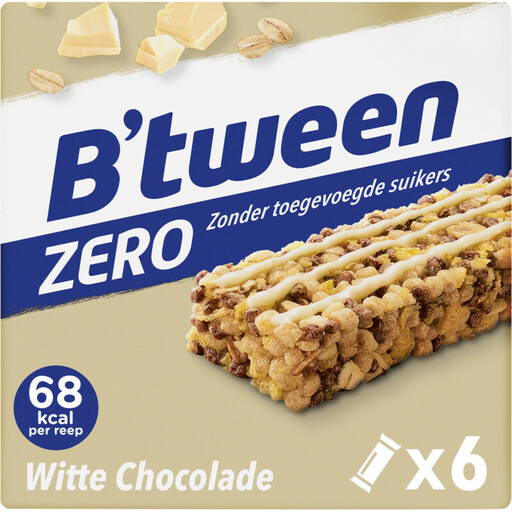
Why it suits this profile: The individually wrapped muesli bars are easy to take to work, school or when you’re out and about. According to the product information, each bar contains 68 kcal.
The nutritional information lists both sugars and 42 grams of polyols per 100 grams. This shows that ‘no added sugars’ does not mean sugar-free.
Individual packaging, 5 grams of fibre per 100 grams and clear allergen labelling, including milk, peanuts and gluten.
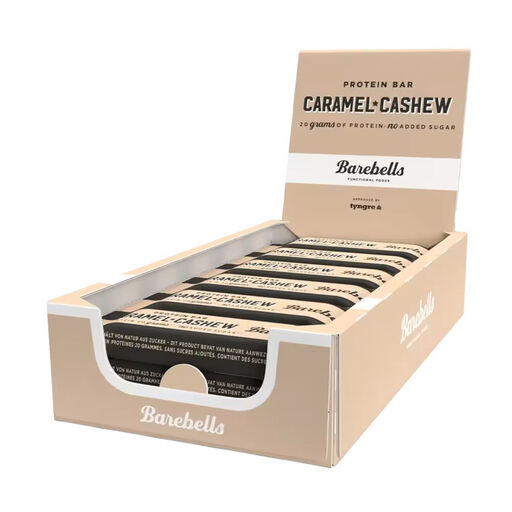
Why it suits this profile: A multipack with a fixed 55-gram serving is ideal for anyone who regularly wants to plan a high-protein snack for work, travel or fitness.
The product information states that each bar contains 20 grams of protein, 200 kcal and 1.5 grams of sugar. Check the current packaging, as another listing states 1 gram.
20 grams of protein, 3.1 grams of fibre and a box containing 12 individually wrapped bars. Contains milk, cashew nuts and peanuts.
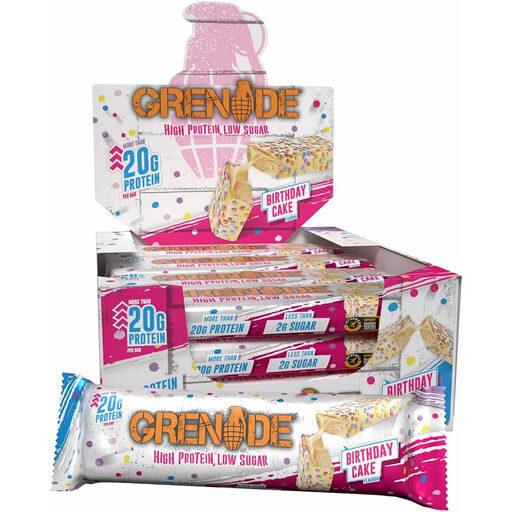
Why it suits this profile: The box of 12 bars is practical for regular training sessions and for keeping a supply at the office, in your gym bag or in the car.
Alongside the claim of 20 grams of protein and 1.6 grams of sugar per bar, there is an allergen warning. The bar contains milk and soya and may contain traces of gluten, peanuts and nuts.
20 grams of protein, a 720-gram multipack and, according to the product description, a high fibre content. Pay attention to the polyols and the current packaging.
We have compiled a complete, up-to-date list of products that fully meet these strict selection criteria and the applicable European safety regulations.
That depends on their composition and your overall diet. A bar can be a practical addition between meals, but vary your choices with ordinary foods such as fruit, yoghurt, wholemeal bread or unsalted nuts.
Look at protein per serving, calories and the amount of sugar. A high-protein bar containing 20 to 25 grams of protein can be practical after a workout. Carbohydrates may also be relevant after prolonged or intensive exercise. The right choice depends on the length of your workout and your usual meal planning.
The best-before date is shown on the packaging. Store bars according to the manufacturer’s advice, usually in a cool, dry place away from direct sunlight. Do not leave an opened pack exposed unnecessarily, and do not use a product if the packaging is damaged.
