
Vandaag of morgen in huis

Kwaliteit gegarandeerd

Welkomstaanbiedingen ontgrendelen: GRATIS bezorging | Tot 80% korting | Gratis 30 dagen JoyPlus-proefperiode
Download de app
A quick, nutritious bar seems like the perfect solution for a busy life. But the snack bar aisle can be a maze. Packaging vies for your attention with claims like "healthy," "full of fibre," or "high in protein." Unfortunately, these marketing terms often hide a less-than-healthy reality. Before you buy another box of bars that ends up forgotten in the back of the cupboard, let's look at a few common pitfalls.
The key to making a good choice isn't in the marketing, but in understanding a few basic principles.
To find a bar that truly suits your needs, it's wise to look beyond the front of the package. The ingredient list and nutritional information panel are your most important tools. Pay close attention to the following three points.
Look for the "of which sugars" line under carbohydrates. This indicates how much of the carbohydrates are pure sugars. A fruit-based bar naturally contains sugars, which is different from added sugars. Watch out for ingredients like glucose syrup, fructose-glucose syrup, or invert sugar syrup; these are often at the top of the list. Sugar-free bars often contain polyols (like maltitol). These provide fewer calories but can have a laxative effect with excessive consumption, as the manufacturer often states.
Protein and fibre provide a feeling of satiety. However, their quality and source are important.
A short and understandable ingredient list is often a good sign. Are whole nuts, seeds, and fruits listed first? Then the base is likely solid. Organic bars often guarantee ingredients without artificial additives. For people with intolerances, checking for allergens is crucial. Gluten-free bars are clearly labelled, but always check for potential cross-contamination if you are highly sensitive.
To help you get started, we've matched several bars from our range to different needs. These aren't "winners," but practical choices for specific situations.
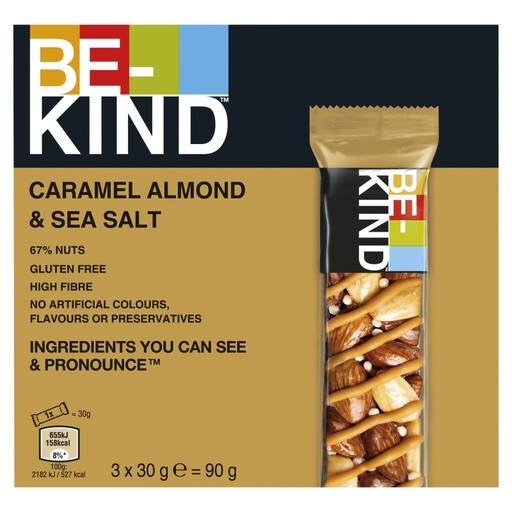
Why This Fits Their Persona: Ideal for those seeking a satisfying yet sensible snack between meetings. The combination of nuts and a hint of caramel provides energy without a heavy feeling.
This bar sidesteps the 'empty calorie' trap by using almonds as its main ingredient. The focus is on whole nuts rather than filler grains or sugar syrups.
Contains 6 grams of protein per bar and is gluten-free. The ingredients are recognisable, and the sweet and salty combination is very popular.
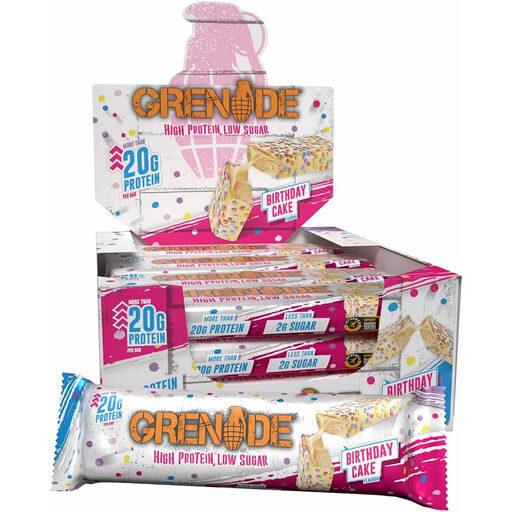
Why This Fits Their Persona: Specifically designed for muscle recovery post-workout. This bar delivers a significant amount of protein without the sugar spike that can undermine performance.
This is a clear example of a functional protein bar, not a disguised candy bar. It lives up to the 'protein hype' with a purpose-driven formula.
According to the manufacturer, each bar contains 20 grams of protein and only 1.6 grams of sugar. The protein blend consists of caseinate and whey protein, which aids in muscle recovery.
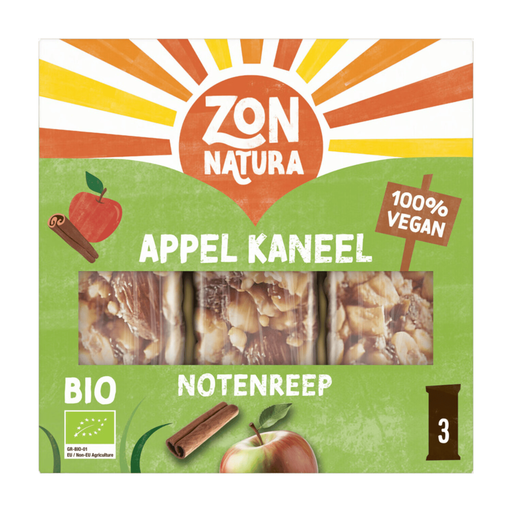
Why This Fits Their Persona: For those who prioritise clean and organic ingredients. This bar contains no unnecessary additives and is sweetened with agave syrup instead of refined sugars.
This bar doesn't fall for the trap of misleading health claims. The ingredient list is short and clear: peanuts, almonds, raisins, apple, and cinnamon. What you see is what you get.
The ingredients are organic, and the bar is rich in protein (19g per 100g) from natural sources like peanuts and almonds. A clean choice for a nutritious snack.
We have compiled a complete, up-to-date list of products that meet these strict selection criteria and local regulations.
A good rule of thumb is to check the ingredient list. Opt for bars where whole foods like nuts, seeds, whole grains, or fruit are listed first. Be critical of the amount and type of sugar. A bar with less than 10 grams of sugar per serving is often a better choice for an everyday snack.
Not necessarily. Bars with "no added sugars" often contain sugar alcohols (polyols) like maltitol or xylitol. For some people, these can cause digestive issues. Moreover, they can perpetuate cravings for sweet things. Sometimes, a bar with a small amount of natural sugar from fruit or honey is a more satisfying and balanced choice.
A protein bar is most effective within an hour after an intense workout. The protein helps with muscle repair and growth. For a general snack on a non-active day, a high-protein bar (more than 15 grams) is often unnecessary and can be relatively high in calories. A nut or muesli bar is usually a more suitable option.
