
Vandaag of morgen in huis

Kwaliteit gegarandeerd

Welkomstaanbiedingen ontgrendelen: GRATIS bezorging | Tot 80% korting | Gratis 30 dagen JoyPlus-proefperiode
Download de app
The breakfast cereal aisle can be overwhelming. Packaging screams for attention with claims like "natural," "high in fibre," or "with whole grains." But how do you know if you're buying a nutritious start to your day or a dessert in disguise? Many people unknowingly fall into a few common traps.
Before you fill your shopping basket, it's wise to consider these points:
To make a choice that fits your lifestyle, it's helpful to check three specifications on the label. This will help you see through marketing claims and focus on what's really inside the product.
The most important indicator is the "of which sugars" line in the nutrition table. This figure includes both naturally occurring sugars (from fruit) and added sugars. A quick glance at the ingredients list provides the final verdict: if sugar, syrup, or another sweetener is high on the list, it's a main component. If you're looking for a sugar-free muesli, specifically seek out products that explicitly state "no added sugars."
Fibre and protein provide a long-lasting feeling of fullness and stable energy.
A long list of unrecognisable ingredients is often a red flag. A quality product has a simple base: grains, possibly supplemented with nuts, seeds, and dried fruit. If you opt for organic muesli, you can be sure the ingredients were grown without synthetic pesticides, aligning with a preference for pure and unprocessed foods.
Not everyone has the same needs. That's why we've highlighted a few options that cater to different requirements, based on their product specifications.
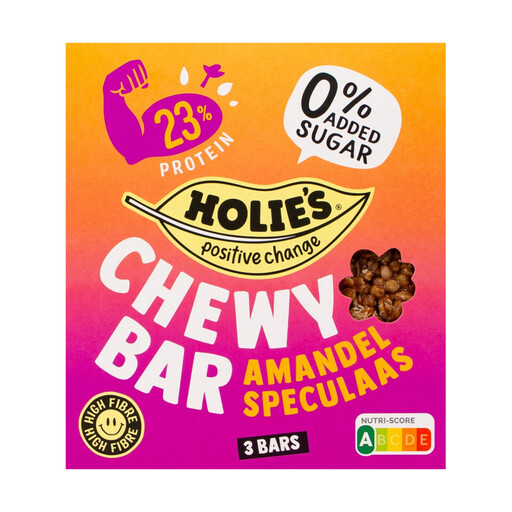
Why This Fits Their Persona: Ideal for those seeking a functional bar for post-workout recovery or as a nutritious snack that contributes to muscle repair and sustained energy.
This product bypasses the sugar trap: it contains 0% added sugar. The focus is on functional nutritional value, not on misleading sweetness.
High in Protein and Fibre: Contains 23 grams of protein and 24 grams of fibre per 100 grams, which is exceptionally high for a muesli bar.
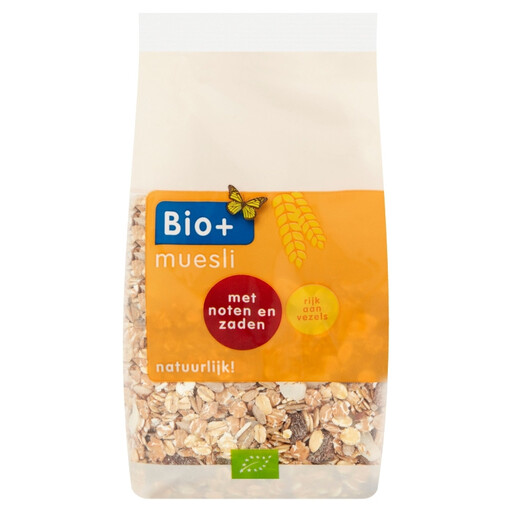
Why This Fits Their Persona: For those looking for a pure and unprocessed breakfast. This muesli is a classic mix of grains, nuts, and seeds without unnecessary additives.
This product is the definition of 'what you see is what you get.' The ingredient list is short and recognisable, and it is organically certified.
Pure Composition: A rich mix of whole grain flakes, hazelnuts, almonds, sunflower seeds, and more. A good source of fibre (10.6 g) and protein (11.6 g).
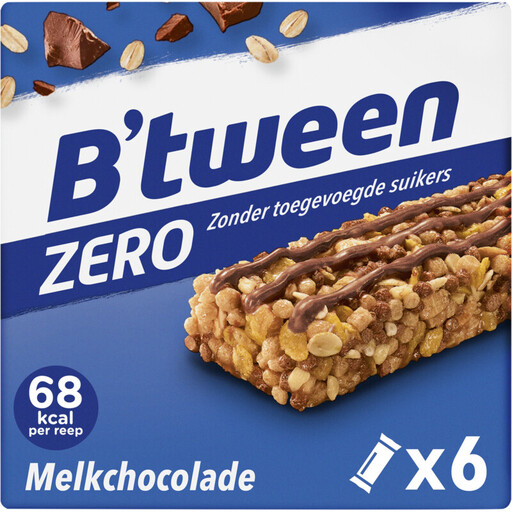
Why This Fits Their Persona: A convenient, portion-controlled snack for on the go, at the office, or at home. It satisfies cravings without causing a sugar crash.
This product tackles the portion size illusion. Each bar is individually wrapped and, according to the manufacturer, contains only 68 kcal, making it easy to manage your intake.
No Added Sugars: Sweetened with sweeteners (polyols), bringing the sugar content to just 1.5 grams per 100 grams. Convenient for those monitoring their sugar intake.
We have compiled a complete, up-to-date list of products that meet these selection criteria and current regulations.
Although the terms are often used interchangeably, there is a clear distinction.
There's no hard and fast rule, but a good guideline is to choose products with as little added sugar as possible. Health authorities advise checking the ingredients list for added sugars. Products with less than 5 grams of sugar per 100 grams are often considered a better choice, but it's always important to view this in the context of the full ingredient list.
That depends entirely on the bar. A muesli bar can be a nutritious snack if it's rich in fibre and protein and low in added sugars. It can also be a glorified candy bar if it's packed with sugar, syrup, and chocolate. The key, as always, is to read the label and check the nutritional values and ingredients.
