
Livraison le jour même et le lendemain

Qualité garantie

Débloquez vos offres de bienvenue: Livraison GRATUITE | Jusqu'à -80 % | 30 jours d'essai gratuits à JoyPlus
Téléchargez l'application
Buying grains and pulses online may seem straightforward, but packaging and product titles don’t always tell the whole story. For example, a product described as “multigrain”, “protein” or “natural” may contain only a small amount of the named ingredient. Portion size, preparation method and allergens can also make a big difference in everyday use.
This buying guide helps you compare products using facts you can check: ingredients, nutritional values, pack size, uses and storage. That way, you can build a practical store cupboard for breakfast, meal prep, vegetarian meals and international dishes.
A product may contain several grains but still be made mainly from refined grains, sugar or starch. So don’t just look at the front of the pack. Check the ingredients list and look for a clear description such as 100% wholegrain, wholegrain oats or wholegrain durum wheat.
For breakfast products, it’s especially important to check the sugar content per 100 gram. A product with no added sugar may still contain naturally occurring sugars. Some instant products also come with a separate sachet of sugar or glucose.
A pack featuring red beans, oats or five grains may sound appealing, but the amount of each ingredient varies from product to product. For example, according to the product information, an instant product with red beans and oats contains 22% oat flakes and 2% red bean powder. That’s quite different from a product made mainly from whole grains and pulses.
So always check the QUID declaration: the percentage of ingredients highlighted in the product name or pictured on the packaging.
A 5 kg bag may be a good option for a large household, but only if you use the product regularly and can store it properly. Grains, flour and pulses should be kept in a cool, dry place in a sealed container. A smaller 400 or 500 gram pack may be more practical if you want to try a new variety first.
For everyday staples, you might want to look for:
Always check the allergen information for wheat, bulgur, wholegrain pasta, oats and rye. Don’t assume a product is “gluten-free” based on its name: read the packaging and check for warnings about facilities that also handle nuts, soya, milk or sesame.
Always compare products per 100 gram, rather than looking only at the values per serving. Pay particular attention to:
The nutritional values of dry grains also differ from those of the cooked product. Rice, bulgur and millet absorb water during cooking. Use the cooking instructions on the packaging as your guide.
For meal prep, a 1 kg pack of rice or bulgur and 400 to 500 gram of pulses are often manageable sizes. Be sure to check:
Don’t leave cooked rice at room temperature for long after cooking. Cool leftovers quickly and refrigerate them according to the instructions on the packaging.
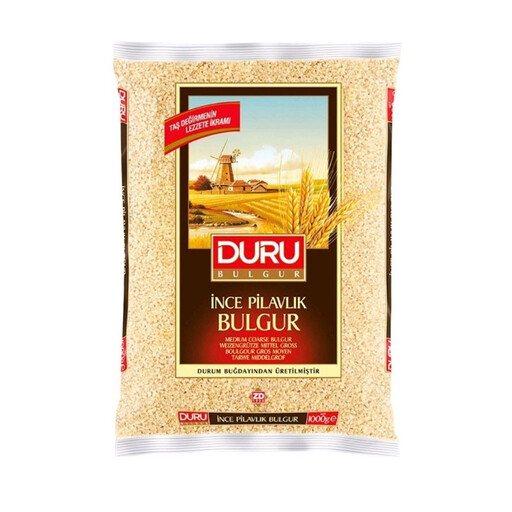
Why it suits this profile: A versatile staple for pilaf, salads and grain bowls. The 1 kg pack is a good choice if you plan to use bulgur regularly.
The product information lists wheat as the main ingredient and gives a net quantity of 1 kg. This means you can check the ingredients and pack size before buying.
Fine bulgur for a range of dishes; produced in Turkey and, according to the product information, has a shelf life of 370 days.
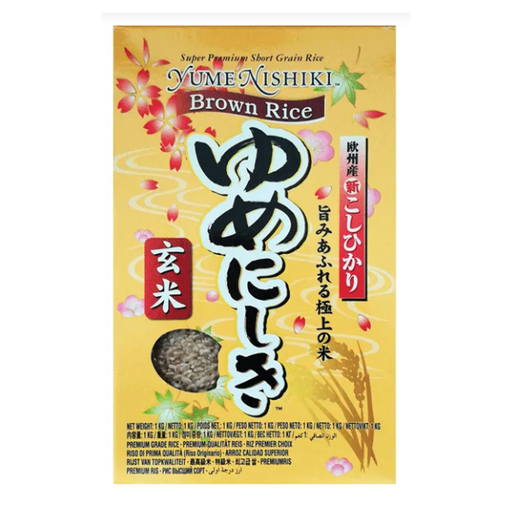
Why it suits this profile: A good option if you’re looking for a Japanese rice variety with a clear product description and a 1 kg pack.
The product information identifies the rice as brown rice and states that it contains none of the 14 main EU allergens.
1 kg pack; according to the product information, 100 gram contains 348 kcal and 72 gram of carbohydrates.
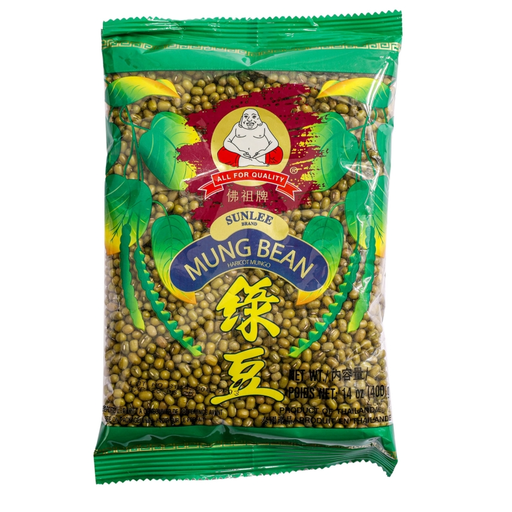
Why it suits this profile: A good choice if you want to cook mung beans yourself for soups, porridge, sprouts, desserts or other Asian dishes.
The ingredients list contains only whole mung beans. So you’re not buying a flavoured mix with hidden sugar or added starch.
400 gram; according to the product information, 23 gram of protein per 100 gram and free from the 14 main EU allergens.
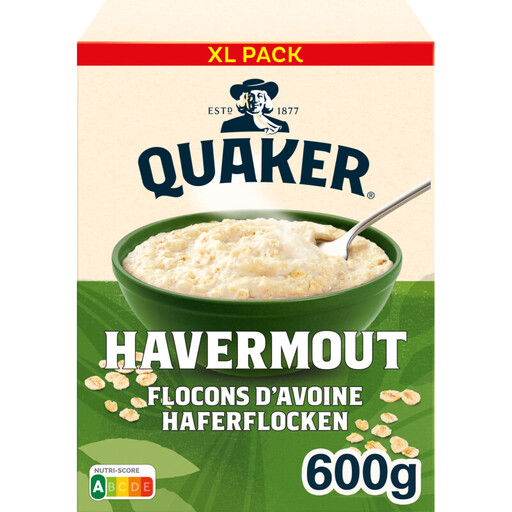
Why it suits this profile: A simple base for porridge, overnight oats or a breakfast with yoghurt and fruit.
The ingredients list states 100% wholegrain oats. The product information also says that no sugars have been added.
600 gram; according to the product information, 9 gram of fibre and 11 gram of protein per 100 gram.
We’ve put together a complete, up-to-date list of products that meet these strict selection criteria and current European safety regulations.
Wholegrain rice, bulgur, millet and wholegrain pasta are practical choices for meals you prepare in advance. Choose a variety that keeps the texture you want once cooled, and quickly divide cooked portions into sealed containers. Follow the storage advice on the packaging.
It depends on the product and how you plan to cook it. Always check the instructions on the packaging. Dried beans generally take longer to cook than lentils or pre-cooked varieties. If you’re using them for several meals, plan the soaking and cooking in advance.
The shelf life of unopened products is shown on the packaging. Once opened, store dry products in a cool, dry place in an airtight container. Before use, check for moisture, damaged packaging or an unusual smell. If in doubt, it’s safer to replace the product rather than use it.
