
Vandaag of morgen in huis

Kwaliteit gegarandeerd

Welkomstaanbiedingen ontgrendelen: GRATIS bezorging | Tot 80% korting | Gratis 30 dagen JoyPlus-proefperiode
Download de app
Buying Asian rice, pulses and grains may seem straightforward, but the packaging doesn’t always tell the whole story. A large bag might look like good value, but you may barely use the grains. And terms such as “premium”, “natural” or “nutrient-rich” only mean something when you check the ingredients, nutritional information and cooking instructions.
For households in the Netherlands, these three pitfalls are particularly relevant:
For single-ingredient products, the composition is usually clear. g'woon Basmati Rice, for example, lists 100% basmati rice. A mix is different: Sunlee Healthy Mixed Rice contains white rice, brown rice, black rice, red rice, millet and barley, among other ingredients. Barley contains gluten, so it is listed as an allergen.
There can also be a big difference between breakfast cereals. According to the product information, Brinta is made from wholegrain wheat and contains gluten. Quaker Oatmeal contains 100% wholegrain oats, but according to the label it may contain wheat and barley. If you have an allergy or intolerance, always check the current packaging, even if the online product description appears to say something different.
Serving sizes vary by brand. Comparing values per 100 grams makes it easier to weigh up your options. Pay particular attention to:
Kellogg’s Frosties, for example, lists 87 grams of carbohydrates and 37 grams of sugars per 100 grams. Weetabix lists 10 grams of fibre and 4.2 grams of sugars per 100 grams. According to the product information, Quaker Oatmeal contains 9 grams of fibre and 1.1 grams of sugars per 100 grams. These are product specifications, not personal dietary advice.
Rice and dried pulses should be stored somewhere dry, in a sealed container and out of direct sunlight. Check whether soaking is needed, too. Mung beans, black chickpeas, chana dal, black-eyed beans and red beans each have a different cooking time and texture.
Preparation is particularly important for millet. According to the product description, Nitya Little Millets recommends rinsing thoroughly, soaking for up to eight hours if desired, then cooking with one part millet to two parts water. It’s best to follow the instructions on the packaging, as grain size and processing can vary.
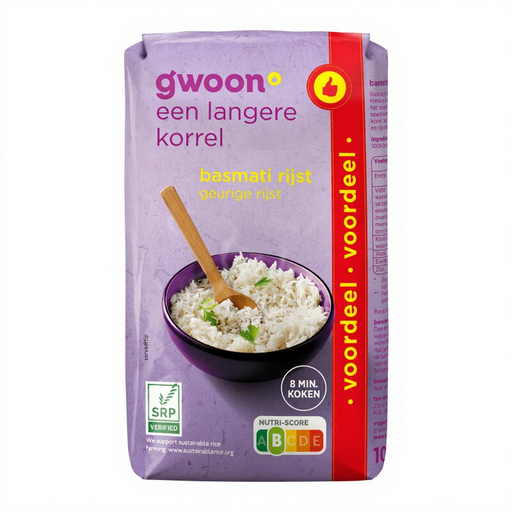
Why it suits this shopper: A manageable pack for anyone who wants to try basmati rice in everyday portions and a variety of dishes.
The ingredients list states 100% basmati rice, so you won’t end up buying a rice mix by mistake.
1 kg pack; single-ingredient product; according to the product information, free from the 14 main EU allergens.
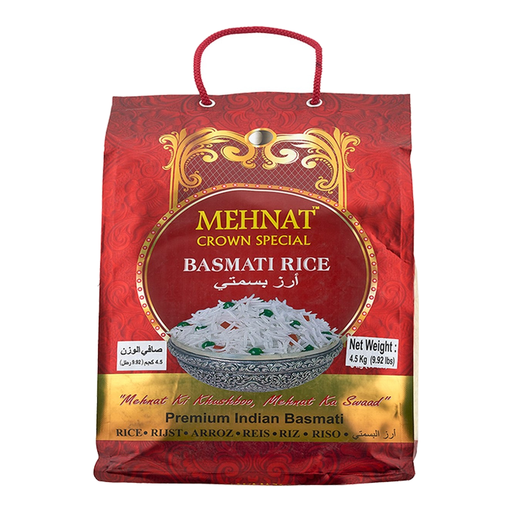
Why it suits this shopper: Ideal for households that often cook rice dishes, curries, pilaf or biryani and want to keep a larger supply on hand.
The large pack means you’re less likely to need to buy a small bag for every dish; just make sure you store the rice in an airtight container.
4.5 kg pack; basmati rice listed in the ingredients; suitable for a variety of rice dishes.
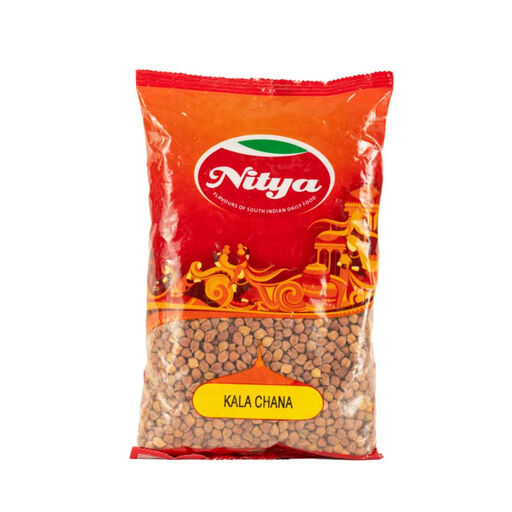
Why it suits this shopper: For anyone who often makes vegetarian curries, soups, salads or roasted chickpeas.
The product information lists brown chickpeas as an ingredient and gives clear instructions for dry, airtight storage.
According to the stated nutritional information per 100 grams: 20 grams of protein and 5.7 grams of fat; suitable for cooking, sprouting or roasting.
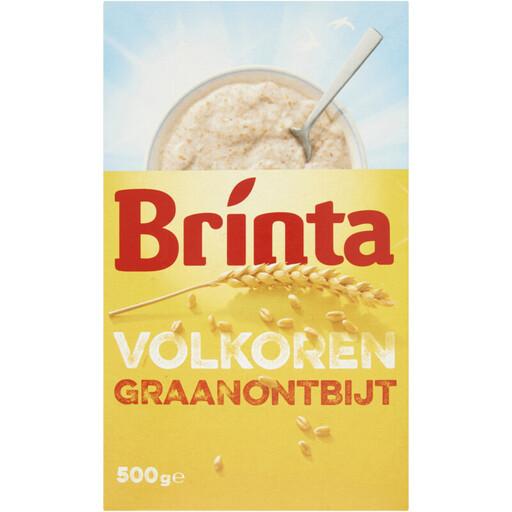
Why it suits this shopper: A warm bowl of wholegrain cereal that can be prepared quickly with water or milk.
The ingredient list is short: wholegrain wheat flour and salt. That makes the base ingredients clearer than in sweetened breakfast cereals with multiple additions.
According to the product information, 10 grams of fibre and 14 grams of protein per 100 grams; 500 gram pack.
We’ve put together a complete, up-to-date list of products that meet these strict selection criteria and the applicable European safety regulations.
If you’re shopping at an Asian supermarket online, you can narrow down your options to suit the dish:
The best-before date is printed on the packaging. Once opened, store mung beans, red beans, kala chana and other pulses somewhere dry and cool, in an airtight container. Moisture and direct sunlight can affect product quality.
It depends on the type of rice and your recipe. Rinsing can remove excess starch and dust, but follow the cooking instructions on the packaging. With basmati rice, the texture you want may also determine whether you rinse or soak it.
Compare the fibre content per 100 grams. According to the product information mentioned above, Brinta, Weetabix, Quaker Oatmeal and Quaker Cruesli each contain 9 to 10 grams of fibre per 100 grams. Also check sugar, allergens and serving size before you choose.
