
Vandaag of morgen in huis

Kwaliteit gegarandeerd

Welkomstaanbiedingen ontgrendelen: GRATIS bezorging | Tot 80% korting | Gratis 30 dagen JoyPlus-proefperiode
Download de app
Anyone looking to buy healthy grains will soon see terms such as “natural”, “high in fibre” and “mixed grain” on the packaging. On their own, these words do not tell you much. A product may contain several grains, but also relatively high levels of sugar, salt or additives. That is why it is important to look beyond the front of the packaging when making your choice.
This applies to a quick breakfast option, as well as quinoa, bulgur, mixed-grain rice and Asian grains for a hot meal.
A product made with different types of grain is not necessarily wholegrain. Check the ingredients list to see which grains are actually included. In rice mixes, for example, white rice may be combined with brown, red or black rice. Breakfast cereals may combine oats and other grains with starch, sugar or creamer.
Instant grains and individual sachets are practical, but check how much sugar, salt and saturated fat you are consuming per portion. Also look out for a separate sachet containing glucose or sweetener. This forms part of the overall purchase, but is not always included in the nutritional information for the main product.
Statements about satiety, digestive health or nutritional benefits should not automatically be treated as established fact. According to information provided by some brands, for example, their products contain high levels of fibre or plant-based protein. Assess such claims using the ingredients list and nutrition table on the packaging.
Ingredients are listed in descending order by weight. If oats are listed first, the product contains a relatively high proportion of them. If sugar, maltodextrin, creamer or starch appears near the top of the list, it is less clear whether you are mainly buying wholegrains.
Next, compare the table per 100 grams. Pay attention to:
Nutritional values may vary between batches or packages. Always check the current label.
Quinoa is naturally gluten-free, but check for cross-contamination and the information on the packaging. Combined products often contain gluten, soya, milk, sesame, nuts or barley. This applies, for example, to many breakfast cereals containing milk powder, creamer or several types of grain.
A product labelled “organic quinoa” should be identifiable by its organic certification on the packaging. The product name alone is not a substitute for the official certification mark.
Raw quinoa, bulgur and mixed-grain rice usually need to be cooked, soaked or rinsed. Instant products are quicker, but often have a different ingredients list and portion packaging. Check:
For rice and grain mixes, cooking time also affects everyday usability. A product that only turns out well in a rice cooker is less suitable for someone who wants to prepare a quick lunch.
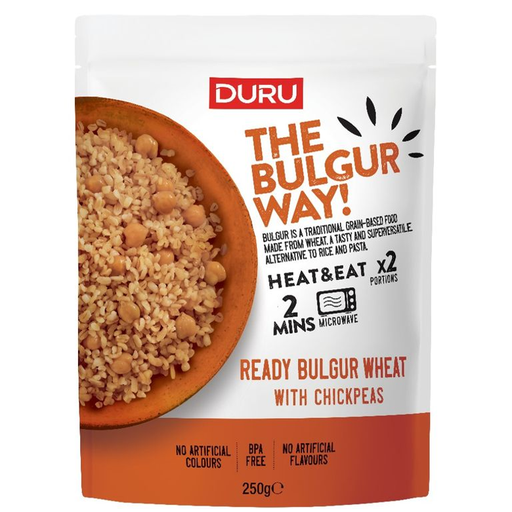
Why it suits this profile: The 250-gram portion is a convenient way to try bulgur. According to the product information, this chickpea variety is ready to eat and intended as an alternative to rice or pasta.
The packaging states that no added additives, preservatives or colourings are used. However, check the current label when purchasing.
Ready-to-eat format, chickpeas as an ingredient, and suitable for salads or a quick meal.
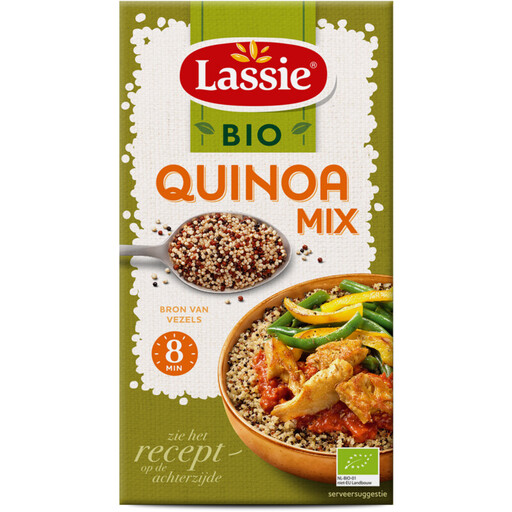
Why it suits this profile: This organic three-colour quinoa mix works well in salads, bowls, soups and meat-free meals. The product information states that it contains 11.7 grams of protein and 7.3 grams of fibre per 100 grams.
According to the ingredients list, the product consists of an organic quinoa mix. No blended flavourings are listed; check the certification mark on the packaging.
Three quinoa colours, preparation in approximately 8 minutes according to the product information, and none of the 14 EU major allergens listed.
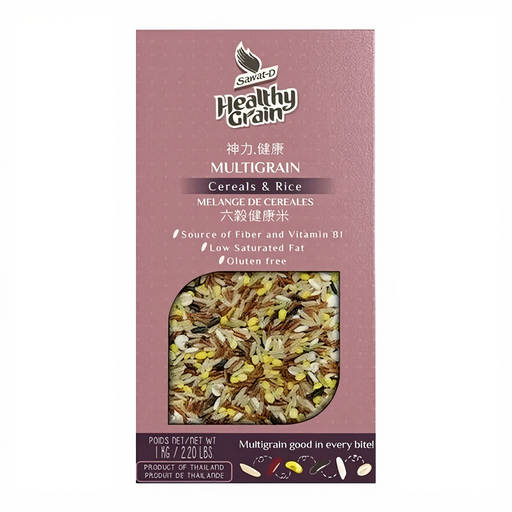
Why it suits this profile: The 1 kg bag is practical for families and fans of Asian grains. The product description mentions red, brown and black rice, mung beans and Job’s tears, among other ingredients.
The product information warns that the exact composition may vary by region or batch. Always check the current ingredients list before use.
1 kg contents, vacuum packaging, and preparation instructions for rinsing, soaking and cooking in a rice cooker.
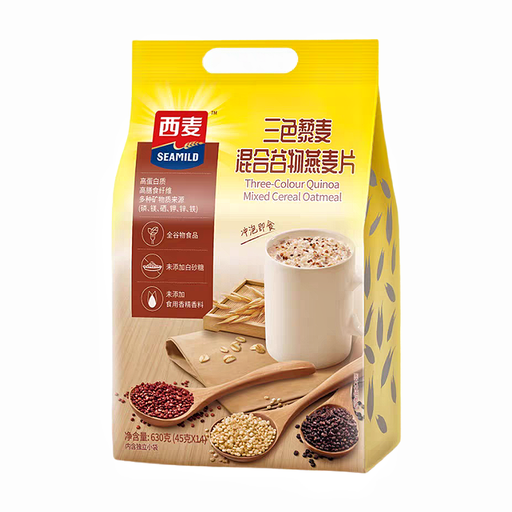
Why it suits this profile: This mix combines three colours of quinoa with oats, wheat germ, rye and buckwheat. Per 100 grams, the product information states 14 grams of protein, 3.5 grams of sugars and 0.02 grams of salt.
The nutritional values and allergens are clearly listed. However, the product contains gluten and sesame, making it essential to check beforehand.
630 grams of product, ready to prepare with hot water in 3 to 5 minutes, and also suitable for overnight soaking with milk or yoghurt.
We have put together a complete, up-to-date list of products that fully meet these strict selection criteria and the applicable European safety requirements.
Instant grains and ready-to-eat bulgur are the quickest options. Quinoa and mixed-grain rice usually need to be cooked, but can be prepared in larger quantities for several meals. Always check the preparation method and serving size.
Pure quinoa and bulgur generally fit into a vegetarian or vegan diet. However, combined varieties may contain milk powder, creamer or other animal-derived ingredients. Always check the full ingredients list.
Store dry grains in a cool, dry place away from direct sunlight. Seal the packaging airtight to limit moisture absorption. For ready-to-eat bulgur, refrigerate any unused contents according to the product information and use them within the stated period.
