
Vandaag of morgen in huis

Kwaliteit gegarandeerd

Welkomstaanbiedingen ontgrendelen: GRATIS bezorging | Tot 80% korting | Gratis 30 dagen JoyPlus-proefperiode
Download de app
Looking for healthy fruit snacks, but struggling to tell the difference between fruit bars, fruit gummies and cereal bars? The packaging often says “fruit”, “no added sugar” or “natural”, while the nutritional information and ingredients list tell a more nuanced story. Making the right choice therefore depends on when you’ll eat it, what’s in it and the portion size.
This guide helps consumers and families in the UK to compare fruit snacks objectively. You’ll find key points to consider for snacks on the go, organic fruit snacks for babies from 12 months, and fans of Chinese and Asian snacks.
Dried fruit, fruit bars and hawthorn snacks can contain a significant amount of sugar. With dried fruit, the water has been removed, which concentrates the flavour and nutrients. Sugar, glucose syrup, malt syrup or sweeteners may also have been added to a snack.
So don’t just look at the words on the front; check per 100 grams:
A product with no added sugar doesn’t automatically mean it’s low in sugar. Fruit purée, for example, contains naturally occurring sugars.
Sugar-free sweets and cereal bars with no added sugar may contain sweeteners or polyols. The Hero B’Tween Zero bars, for instance, list maltitol and 42 grams of polyols per 100 grams. The packaging also states that excessive consumption may have a laxative effect.
That doesn’t make such products unsuitable, but it does mean they’re less of a no-brainer for unlimited snacking. Read the warning and bear in mind individual sensitivity, especially when packing snacks for children.
Individual portions are handy for school, the office or train journeys, but a small pouch can still contain relatively high levels of sugar. Also check:
With imported Asian snacks, it’s especially important to check the English-language product information and warnings on the packaging.
A short ingredients list makes comparing easier, but it doesn’t tell you everything about the nutritional value. The order of ingredients shows which components are most prevalent. For example, Bestore Candied Hawthorn is made up of 67.73% hawthorn and 18.73% rock sugar, alongside white sugar. According to the product information, it contains 65 grams of sugar per 100 grams.
With fruit bars and cereal bars, it’s also useful to look at fibre content. Bolletje Cereal Bars with Sweetened Dried Cranberries contain 14 grams of dietary fibre per 100 grams according to the specification. That’s a verifiable product feature, but the bar also contains sugar and sweetened dried cranberries.
For on the go, individually wrapped bars, fruit gummies or fruit purées are practical. A squeeze pouch is quick to use, while a cereal bar may create less mess in a bag. With young children, always pay attention to the recommended age, texture and supervision during eating.
De Kleine Keuken Organic Fruitjes with Apricots is intended from 12 months according to the product description. The ingredients consist of 44% dried apricots, 44% dates, 8% bananas and 4% rice flour. The product may contain traces of nuts.
“Organic” and “no added sugar” are separate features. So check both claims and always follow the information on the packaging. For baby food, a fruit snack does not replace a varied meal.
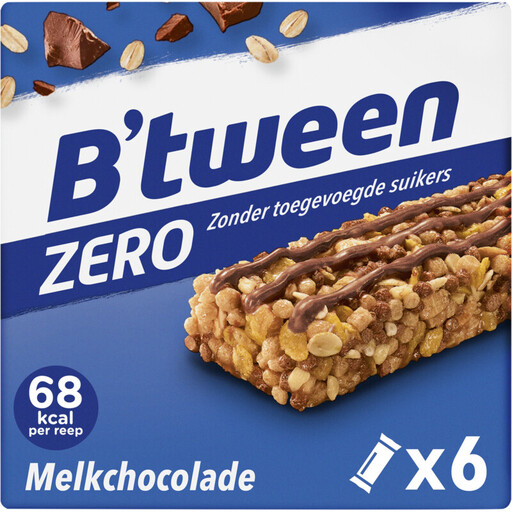
Why this fits the profile: Six individually wrapped bars are easy to take to school, work or a day out. The product specification states 68 kcal per bar.
The packaging states no added sugars, but the ingredients list mentions maltitol and polyols. This allows you to assess the claim in context.
Individual packaging, 5.3 grams of fibre per 100 grams and clear allergen information for wheat, milk and peanuts.
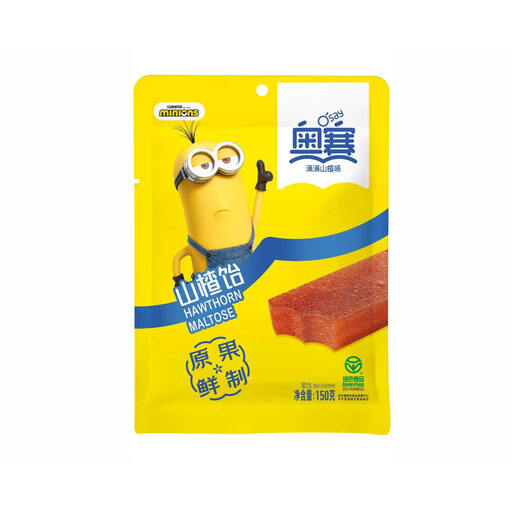
Why this fits the profile: According to the product information, this Chinese fruit snack has a simple composition with 52.55% hawthorn, sugar and malt syrup.
The ingredients are clearly listed and, according to the description, the product contains no artificial colourings or preservatives.
150 gram content, soft chewy texture and 62 grams of sugar per 100 grams according to the nutritional information table.
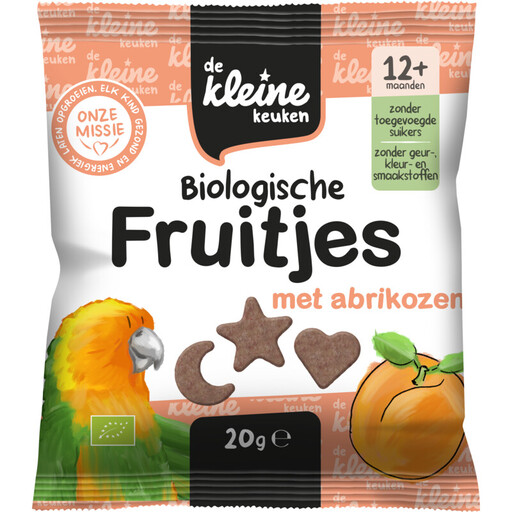
Why this fits the profile: Aimed at parents looking for organic fruit snacks for babies from 12 months who want a small portion to take along.
The recommended age and possible traces of nuts are stated. Always check the current packaging before use.
20 grams per pack, organic ingredients and only naturally occurring sugars according to the product description.
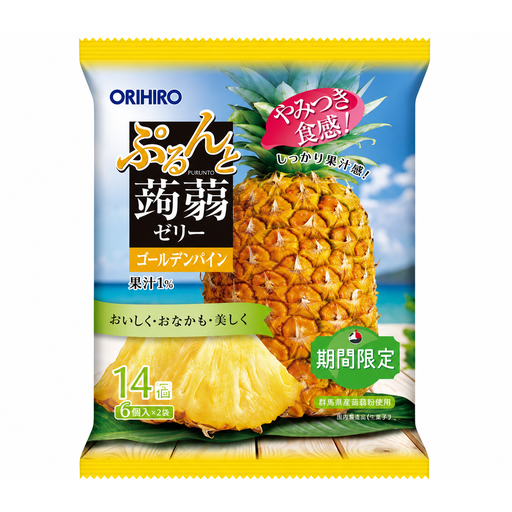
Why this fits the profile: A Japanese jelly snack with six 20-gram portions, ideal for anyone looking for a fruity texture and compact packaging.
The portion and nutritional values are listed separately: 14 kcal and 3.5 grams of carbohydrates per 20-gram jelly.
Six individual portions, pineapple flavour and, according to the stated allergen information, no specifically listed allergens.
We’ve put together a full, up-to-date list of products that fully meet these strict selection criteria and comply with current European safety regulations.
That depends on the ingredients and portion size. A fruit bar may contain fibre, but also sugar, syrup or chocolate. So compare the nutritional values per 100 grams and check the ingredients list. Fruit gummies often contain fruit juice or fruit concentrate, but they generally remain a sweet treat.
Individually wrapped cereal bars, small portions of dried fruit, fruit purée and jelly snacks are practical for on the go. Watch out for heat-sensitive products, leakage and shelf life after opening. For children, age advice, texture and supervision are more important than just a cheerful packet.
Sugar-free sweets can work when you want to limit sugar, but check which sweeteners have been used. Polyols can have a laxative effect if consumed in excess. “Sugar-free” also says nothing about fibre, fruit content or the overall nutritional value.
