
Vandaag of morgen in huis

Kwaliteit gegarandeerd

Welkomstaanbiedingen ontgrendelen: GRATIS bezorging | Tot 80% korting | Gratis 30 dagen JoyPlus-proefperiode
Download de app
Anyone searching for healthy food and dietary supplements will quickly come across a long list online, including protein powder, vitamins, sports nutrition, healthy snacks and functional drinks. There is plenty of choice, but the packaging does not always tell the full story. A product labelled “light”, “natural” or “high protein” may still contain a lot of sugar, caffeine, allergens or unnecessary additives.
By following a few simple checks, you can avoid a disappointing purchase and choose something that suits your diet, fitness goals and when you plan to use it.
A vitamin D3 capsule or calcium supplement can complement your diet, but it does not replace a varied diet. Protein shakes, protein bars and protein drinks are also supplements to your diet. Always check the dosage and use the product as part of a varied and balanced diet.
Claims about a product’s effects must also be based on the label and the applicable European regulations. According to product information from brands, for example, protein can contribute to the growth and maintenance of muscle mass. This does not mean that a shake alone will cause muscle growth.
A sugar-free energy drink can still contain caffeine and sweeteners. According to the product information, the Body & Fit Fit Energy Drink Orange contains 100 mg of caffeine per 250 ml can, as well as magnesium, taurine and amino acids. This may be relevant around exercise or when you want to stay alert, but it does not make the drink suitable for everyone. The product is not recommended for children or pregnant or breastfeeding women.
With malt drinks, pay particular attention to the difference between sugar and fat. According to the label, Supermalt contains 12.8 grams of sugar and 62 kcal per 100 ml. “No artificial sweeteners” therefore does not mean “low in sugar”.
The front often highlights the most appealing feature, while the back contains the practical information. Always check:
With instant porridge, a serving may look small, but a box can contain added sugar, maltodextrin, creamer or a separate sachet of glucose. This is not necessarily a bad thing, but it does affect the nutritional value and when the product is best used.
Do not just compare “24 grams of protein” or “just 64 kcal”. Check how large the serving is and how many servings the pack contains. According to the product description, Optimum Nutrition Gold Standard Whey provides approximately 24 grams of protein per serving of 30 to 32 grams, depending on the variant. The 780 gram pack contains approximately 26 servings.
A protein powder containing 72 to 74 grams of protein per 100 grams may be appealing if you want to add extra protein to your daily diet. With a protein bar, you should also check the calories, sugar, fat and fibre. A bar containing 20 or 25 grams of protein can still be a substantial snack.
Much sports nutrition is based on milk ingredients. Whey, casein and milk protein are therefore not suitable for people with a milk allergy. Soya lecithin and soya protein are also commonly found in these products. Nut bars often contain peanuts, almonds or other nuts.
The form of a supplement is also relevant. Lucovitaal Vitamin D3 is available in 25 microgram and 75 microgram versions. The recommended dosage does not automatically differ from person to person, but the amount per capsule does. Do not use several vitamin products without checking your total intake. If you take medication, are pregnant or breastfeeding, or have a medical condition, it is sensible to consult a doctor or pharmacist.
A large pack may seem better value, but only if you use the product regularly and store it correctly. A 2 kg tub of protein powder requires a dry, well-sealed storage place. A multipack of protein drinks is convenient for travelling, but according to the product information, opened bottles should be refrigerated and used within 24 hours.
Small portions are practical for everyday use. The Family Whole instant varieties consist of 35 gram sachets, prepared with approximately 175 ml of boiling water. Do pay attention to allergens: depending on the variant, these products may contain oats, wheat, soya, barley, milk or sesame.
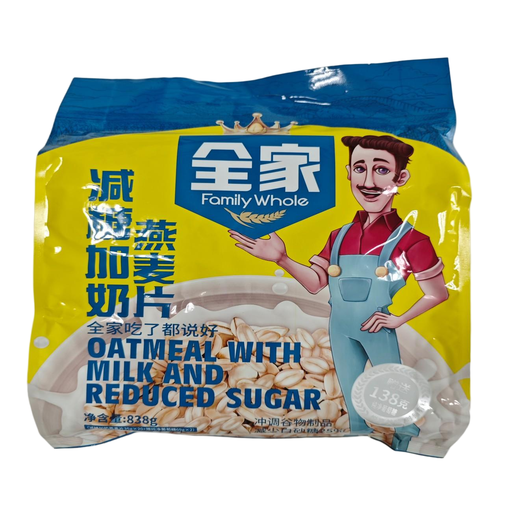
Why it suits this profile: The individual sachets are quick to prepare and convenient for breakfast or a snack break at the office.
The nutritional information states 30% oats, 5% milk powder and 17 grams of sugar per 100 grams. This means you can check the ingredients rather than relying solely on “reduced sugar”.
20 servings of 35 grams; prepared with approximately 175 ml of boiling water; glucose packaged separately.
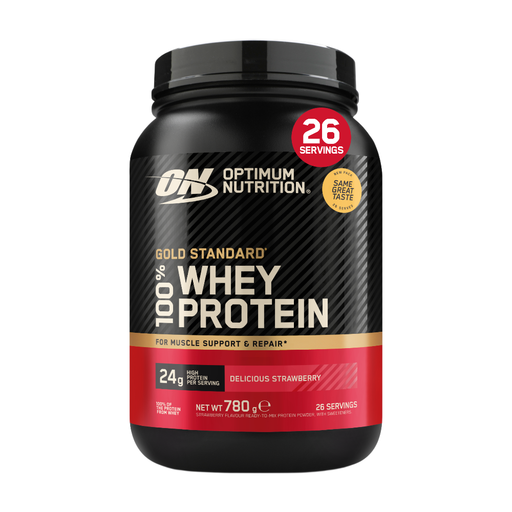
Why it suits this profile: For athletes looking for a protein powder that can be measured accurately after training or added to their diet throughout the day.
The serving size, protein content and allergens are clearly stated: 24 grams of protein per 30 gram serving; contains milk and soya.
Approximately 26 servings; 1.2 grams of sugar per serving according to the product information; mixes with water or milk.
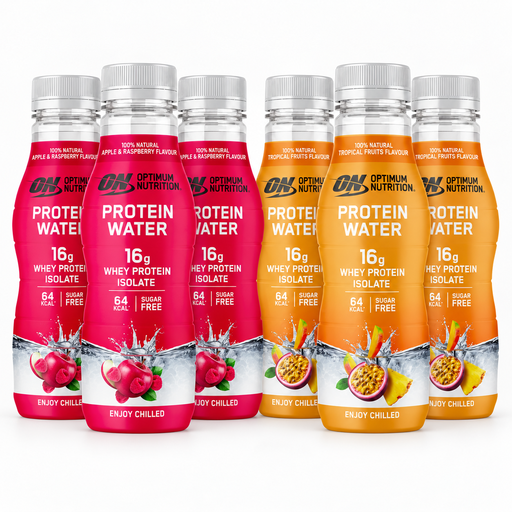
Why it suits this profile: For anyone who wants a light protein drink on the go without having to use a shaker or mix powder.
Each bottle states that it contains 16 grams of protein, 64 kcal, 0 grams of sugar and 0 grams of fat. This lets you see immediately what you are getting per bottle.
Three bottles per flavour; ready to drink; contains whey isolate and milk as an allergen.
We have compiled a complete, up-to-date list of products that fully meet these strict selection criteria and the applicable European safety regulations.
That depends on your daily schedule. A protein bar is compact and does not need to be refrigerated. A protein drink is lighter and ready to use straight away. A shake made with protein powder is often more cost-effective per serving, but requires water, milk and a shaker. Always compare the protein, calories, sugar and serving size.
This varies from person to person and depends on your diet. First check how much you already get from food and other supplements. The products in this range have different dosages, such as 25 micrograms or 75 micrograms of vitamin D3. Follow the label and consult a healthcare professional if you are unsure. A supplement does not replace a varied diet.
Store powders, bars and unopened drinks in a cool, dry place, away from direct sunlight. Close tubs of protein powder securely to prevent moisture and clumping. According to the product information, opened protein drinks should be refrigerated and consumed within 24 hours. Always check the current packaging, ingredients and best-before date before use.
