
Vandaag of morgen in huis

Kwaliteit gegarandeerd

Welkomstaanbiedingen ontgrendelen: GRATIS bezorging | Tot 80% korting | Gratis 30 dagen JoyPlus-proefperiode
Download de app
The supermarket cereal aisle can be a labyrinth. Packaging vies for your attention with claims like "whole grain," "source of fibre," or "natural." But what does this really mean for your quest for a healthy breakfast? Many products presented as healthy hide pitfalls that can undermine your best intentions.
Before you place a box in your shopping basket, it's useful to recognise two common marketing traps:
This guide will help you see through the marketing and make a choice that fits your lifestyle.
To make an informed choice, it's best to focus on the objective information on the label. Three elements are crucial here.
The most important indicator is the "of which sugars" line under "Carbohydrates" in the nutrition table. A good guideline is to look for cereals with no added sugar or products with less than 5 grams of sugar per 100 grams. For comparison, some popular breakfast cereals contain more than 30 grams of sugar per 100 grams. Also, check the ingredients list; if sugar (or one of its many aliases) is among the first three ingredients, the product is likely very sweet.
For a long-lasting feeling of fullness and stable energy, fibre and protein are essential.
protein granola or another product with more than 15 grams of protein per 100 grams is an excellent choice, especially for athletes or people looking to support their muscle mass. Protein helps you get through the morning without cravings.A shorter, more understandable ingredient list is often a good sign. The first ingredient is the most abundant in the product. Make sure it's a whole grain, such as whole grain oats, wheat, or spelt. It's best to avoid products with a long list of unrecognisable additives.
Based on these objective criteria, we have highlighted a number of products that suit specific needs and lifestyles.
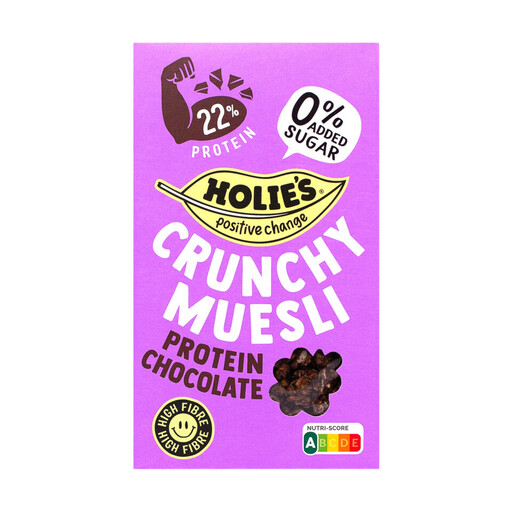
Why This Fits Their Persona: Ideal for those with an active lifestyle or anyone seeking a nutritious post-workout breakfast. This muesli provides the building blocks for muscle recovery and delivers sustained energy for a productive day.
Many 'sports' cereals are loaded with sugar. This muesli contains 0% added sugar and only 2.1 grams of sugar per 100 grams, preventing a sugar crash.
22 grams of protein per 100 grams supports muscle maintenance. It also contains 21 grams of fibre for a long-lasting feeling of fullness.
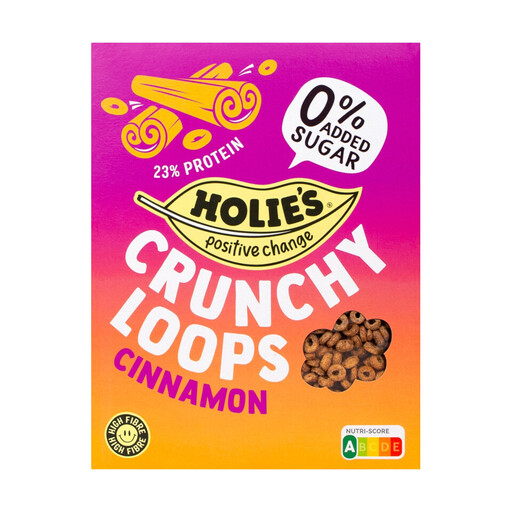
Why This Fits Their Persona: For those who love the crunchy texture of classic cereal loops but want to avoid the sugar. A flavourful and fun breakfast for the whole family, without the guilt.
This product shatters the myth that fun cereals have to be full of sugar. With 0% added sugar and only 4.9 grams of sugar per 100 grams, it's a smart alternative.
Exceptionally high in protein (23g) and fibre (22g) for this type of product. The base of whole wheat flour and peanut flour ensures a nutritious start.
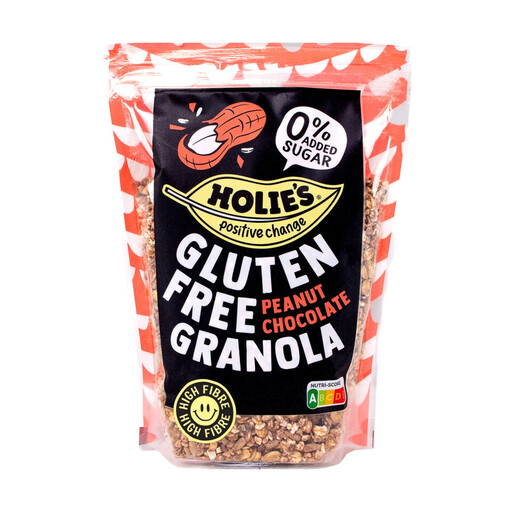
Why This Fits Their Persona: For anyone who avoids gluten but doesn't want to compromise on taste and texture. This `gluten-free granola` offers a safe yet delicious option for a worry-free breakfast.
Many 'healthy' granolas contain hidden gluten or a lot of sugar. This one is explicitly gluten-free and a `sugar-free granola`, with only 4 grams of sugar per 100 grams.
Made with a base of gluten-free whole grain oat flakes. The combination of peanut, cocoa, and seeds provides a rich flavour and a great nutritional balance (15g protein, 14g fibre).
We have compiled a complete, up-to-date list of products that fully meet these strict selection criteria and comply with Dutch regulations.
Although the terms are often used interchangeably, there is a slight difference. Muesli is typically an unbaked mix of grains, nuts, seeds, and dried fruit. Cruesli and granola are variants that are baked in an oven, often with oil and a sweetener like honey or syrup, to form crunchy clusters. Therefore, pay extra attention to the sugar content in cruesli and granola.
A good rule of thumb is to aim for products with less than 5 grams of sugar per 100 grams. Products with 5 to 10 grams can be acceptable, depending on the source of the sugar (e.g., from dried fruit versus added syrups). Anything above that is better considered a treat than a daily healthy breakfast.
No, definitely not. High-protein cereals are beneficial for anyone who wants to feel full for longer after breakfast. Protein slows down digestion and helps keep blood sugar levels stable, which reduces the chance of an energy dip and snack cravings later in the morning.
