
Vandaag of morgen in huis

Kwaliteit gegarandeerd

Welkomstaanbiedingen ontgrendelen: GRATIS bezorging | Tot 80% korting | Gratis 30 dagen JoyPlus-proefperiode
Download de app
The cereal aisle can be a maze. Packages vie for your attention with claims like "full of fibre" or "less sugar," but what do these really mean? Many so-called healthy options are packed with hidden sugars or lack the nutrients you need for an energetic start to your day. It's a waste of your money and good intentions.
Before you put another box in your basket, it's wise to know the most common pitfalls:
high-protein cereals while containing barely more protein per serving than a standard variety. The focus is on marketing, not always on nutritional value.To see through the marketing, it's better to focus on a few concrete specifications on the label. These objective figures provide a more honest picture of what you're eating.
A simple but effective check is to compare the amount of sugar to the amount of fibre per 100 grams. Look for high-fibre cereals where the number for fibre is significantly higher than the number for sugar. Fibre slows the absorption of sugars, ensuring more stable energy levels and keeping you feeling full for longer. Products with less than 5 grams of sugar per 100 grams are often a solid choice.
If you are specifically looking for a protein muesli or other high-protein options, check the protein content per 100 grams. A product is only truly high in protein if it contains more than 15 grams of protein per 100 grams. Also, check where the protein comes from. Sources like soy, nuts, peanuts, or wheat protein often indicate a product developed with a focus on nutritional value.
The foundation of good cereal is the grain itself. Whenever possible, opt for whole-grain cereals. Whole-grain means the entire grain kernel has been used, including the bran and the germ. This is where most of the fibre, vitamins, and minerals are found. This is in contrast to 'white' or processed grains, which mainly consist of starch and offer less nutritional value.
Based on these objective criteria, we have selected a number of products that suit different needs and lifestyles.
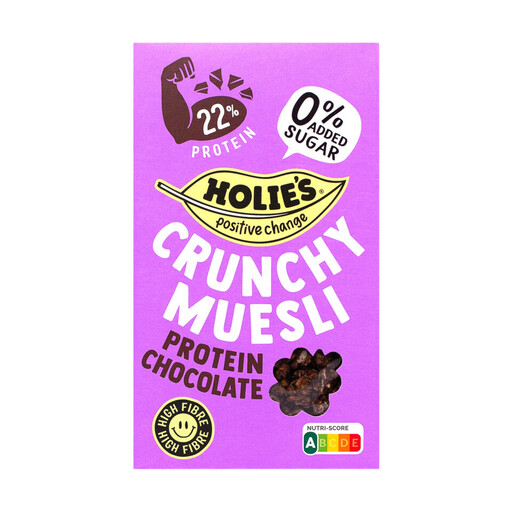
Why This Fits Their Persona: Ideal for supporting an active lifestyle. This protein muesli provides the fuel for muscle recovery and sustained energy, without the sugars that can hinder your performance.
This product bypasses the 'protein illusion' with an objectively high protein content of 22 grams per 100 grams. The sugar content is extremely low (2.1 grams), so there are no hidden sweeteners.
Very high in protein (22g) and fibre (21g). A crunchy granola without sugar, featuring the taste of dark chocolate.
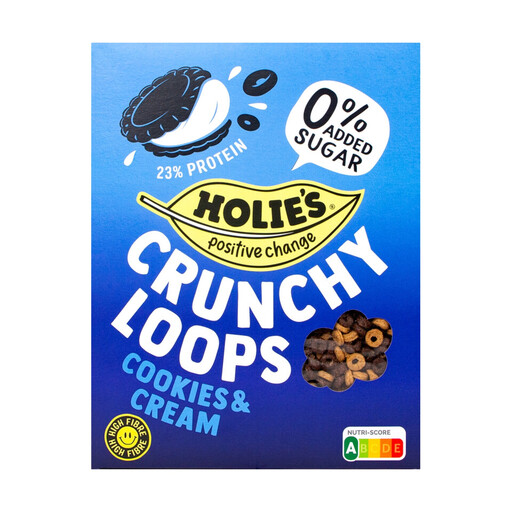
Why This Fits Their Persona: For those who are short on time in the morning but still want a nutritious and tasty breakfast. It's quick, easy, and keeps you feeling full until lunch, without the notorious sugar crash.
This product tackles the 'no added sugar' trap. It has 0% added sugar and a very favourable sugar-to-fibre ratio (4.9g of sugar versus 26g of fibre).
Extremely high in protein (23g) and fibre (26g). It has the taste of a treat but with the nutritional value to support an active day.
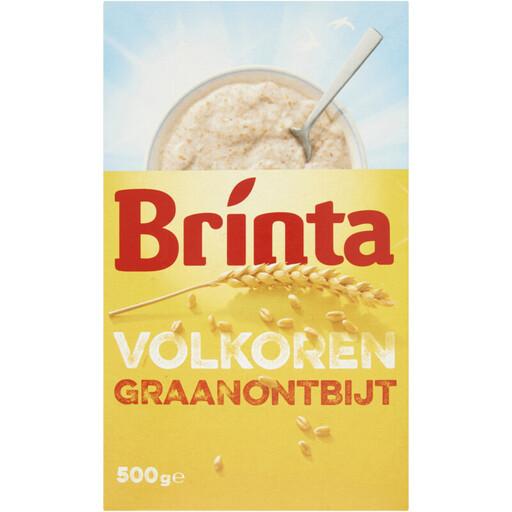
Why This Fits Their Persona: For those who love pure and simple. No fuss, no long ingredient list. Just a simple, nutritious base that you can customise with your own fruit, nuts, or seeds.
This product is the definition of transparency. The ingredient list consists of whole-wheat flour and salt. It avoids all the pitfalls of hidden sugars and unnecessary additives.
100% whole-grain, a natural source of 6 vitamins and minerals. With 14g of protein and 10g of fibre per 100g, it's a very solid foundation for a powerful breakfast.
A good breakfast is fundamental, but sometimes you need something for on the go. We've curated a selection of products that meet strict criteria for nutritional value and convenience.
Manufacturers often list a serving size of 30 to 45 grams on the package. For many adults, this is on the low side. A more realistic portion, depending on your energy needs, is between 50 and 80 grams. It is wise to calculate the nutritional values based on the amount you actually eat, not on the recommended serving size.
In general, muesli is considered the more natural option. Muesli is an unbaked mix of grains, seeds, kernels, and dried fruit. Granola is baked in an oven, often with oil and a sweetener like sugar or honey to make it crunchy. As a result, granola typically contains more fat and sugar. A sugar-free granola can be a good alternative if you appreciate the crunchy texture but want to avoid the extra sugars.
High-protein cereals can play a role in weight management. Protein and fibre contribute to a longer feeling of satiety, making you less likely to snack between meals. However, it is not a magic bullet. A healthy weight is the result of a balanced diet and sufficient physical activity, in which a high-protein breakfast can be a supportive component.
