
Vandaag of morgen in huis

Kwaliteit gegarandeerd

Welkomstaanbiedingen ontgrendelen: GRATIS bezorging | Tot 80% korting | Gratis 30 dagen JoyPlus-proefperiode
Download de app
A nutritious breakfast is the foundation for a productive day. But the search for healthy breakfast cereals can feel like navigating a maze of marketing claims. Packaging screams for attention with terms like "whole grain," "natural," and "with extra fibre," but what do these really mean? As a Product Recommendation Officer at Joybuy, I'm here to help you cut through the noise and focus on what matters.
Many people unknowingly fall into a few common traps:
Making a smart choice is simpler than you think. It's all about reading the label and understanding a few key figures.
Before you place a box in your cart, turn it over and look at the back. These are the three most important specifications that separate a marketing gimmick from a genuinely nutritious product.
The most important indicator is the "carbohydrates, of which sugars" line on the nutrition table. Many traditional cereals, like Kellogg's Frosties (37g of sugar per 100g) or Quaker Cruesli Multifruit (14g of sugar per 100g), contain significant amounts. Look for sugar-free cereals or those with a very low sugar content, ideally under 5 grams per 100 grams. These sugars are often naturally present in ingredients like grains or fruit, not added.
Protein and fibre provide a long-lasting feeling of fullness, which helps prevent unnecessary snacking.
Ingredients are listed in order of quantity. If sugar, syrup, or other sweeteners are at the top of the list, it's best to leave the box on the shelf. A good ingredient list is short and contains recognisable items like whole grain oats, spelt, nuts, seeds, and peanuts. This is also the place to check for specific dietary needs, such as gluten-free granola or low-carb cereals.
To help you get started, we've highlighted a few products that suit specific needs and lifestyles.
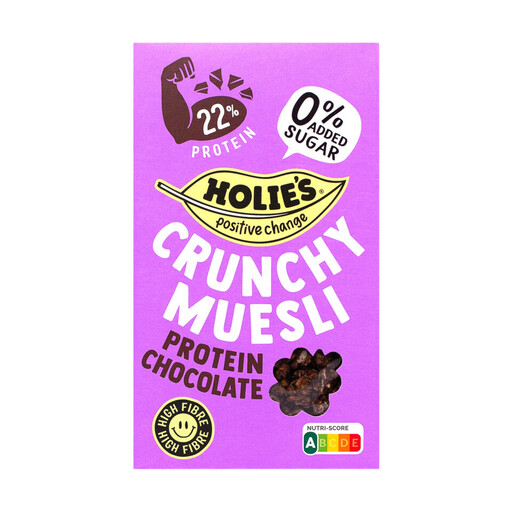
Why it's a match: Ideal for those with an active lifestyle seeking a breakfast that supports muscle recovery. The combination of flavour and function makes this a smart start to the day after a morning workout.
This product bypasses the "protein illusion." It delivers a substantial 22 grams of protein per 100 grams, which is genuinely functional. Furthermore, it contains no added sugars (only 2.1g/100g).
Very high in protein and fibre (21g), with the taste of dark chocolate without the sugar crash. A true powerhouse for your breakfast.
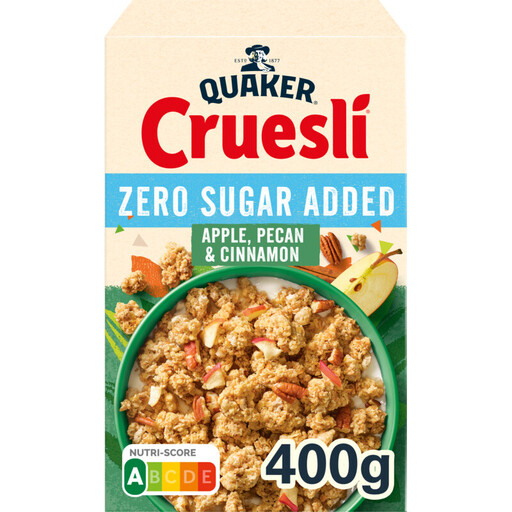
Why it's a match: For those who love the crunchy texture of cruesli but want to consciously avoid added sugars. The flavour comes from apple, pecans, and cinnamon, not from sugar or syrup.
This product tackles the "healthy sugar bomb" trap head-on. The name says it all: Zero Sugar Added. It contains no added sugars or sweeteners, making it a transparent choice.
The familiar taste and crunch of cruesli without the sugars. With 24 grams of fibre per 100 grams, it is also extremely high in fibre, ensuring a long-lasting feeling of fullness.
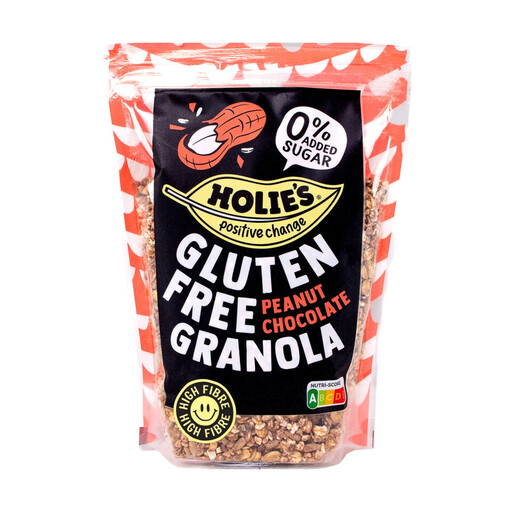
Why it's a match: For anyone who avoids gluten but doesn't want to compromise on taste or nutritional value. This granola combines peanut butter and cocoa for a rich flavour, based on gluten-free oats.
Many granolas contain wheat, spelt, or barley. This gluten-free granola is specifically formulated with gluten-free whole grain oat flakes, making it a safe and nutritious choice.
A flavourful, gluten-free option with 0% added sugar, 15 grams of protein, and 14 grams of fibre. The combination of peanut butter and cocoa makes it a treat.
A nutritious breakfast is personal. What works for one person might not suit another. That's why we've compiled a complete list of breakfast cereals that meet strict criteria for nutritional value.
The most nutritious choice depends on your personal goals. Ignore the marketing and focus on the nutrition facts table. Look for products labelled "0g added sugars" or with a total sugar content below 5g/100g. For a high-protein breakfast, look for over 20g of protein per 100g. For a high-fibre breakfast, aiming for more than 15g of fibre is a good goal. Products like the sugar-free muesli and granola from Holie are often a great place to start, as they focus on these criteria.
Neither is inherently "better"; it depends entirely on the specific formulation. Traditional granola is baked with oil and sweeteners, which can make it higher in calories and sugar than unbaked muesli. However, modern varieties from brands like Holie show that granola can also be made without added sugars and with high protein content. The only way to know for sure is to compare the ingredient list and nutrition facts.
A breakfast is generally considered high in protein if it contains around 20 grams of protein. When choosing cereals, look at the content per 100 grams. A product with 20g of protein per 100g is an excellent base. A 50-gram serving of such a product already provides 10 grams of protein. Combine this with 200 grams of Greek yoghurt or quark (which also provides about 10-20 grams of protein), and you have a powerful, satiating start to your day.
