
Vandaag of morgen in huis

Kwaliteit gegarandeerd

Welkomstaanbiedingen ontgrendelen: GRATIS bezorging | Tot 80% korting | Gratis 30 dagen JoyPlus-proefperiode
Download de app
The cereal aisle can be a maze. Packaging vies for your attention with claims like "whole grain," "source of fibre," or "all-natural." But what does this really mean for your breakfast? Many products presented as healthy can actually start your day with an unexpected sugar crash.
Before you place a box in your shopping cart, it's wise to be aware of a few common pitfalls:
Making an informed choice is simpler than it seems. It's all about reading the label and knowing what to look for.
The most important indicator on the label is the "of which sugars" line under the "Carbohydrates" section. This number adds up all sugars, both naturally occurring (from fruit or grains) and added ones.
A good guideline for cereals without sugar or with a low sugar content is to look for products with less than 5 grams of sugar per 100 grams. Products specifically stating "no added sugars" are often a solid choice, as they only contain sugars naturally present in the ingredients.
A good breakfast keeps you satiated until lunch. High-protein cereals and high-fibre cereals play a crucial role in this.
To help you when buying granola, we've highlighted a few popular choices that suit different needs and lifestyles. This selection is based on objective product information, such as the ingredients list and nutritional values.
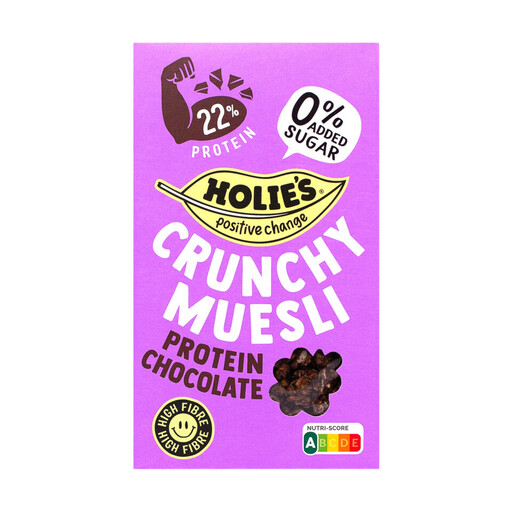
Why This Fits Their Persona: Ideal for those seeking a nutritious and restorative breakfast after a workout. This muesli combines a serious amount of protein with the taste of chocolate, without the sugars that undermine your progress.
This product fully delivers on its "high-protein" claim with 22 grams of protein per 100 grams and contains only 2.1 grams of sugar. No empty promises, just concrete nutritional facts.
Very high protein content (22g) and high in fibre (21g). Made with whole-grain oats and no added sugars.
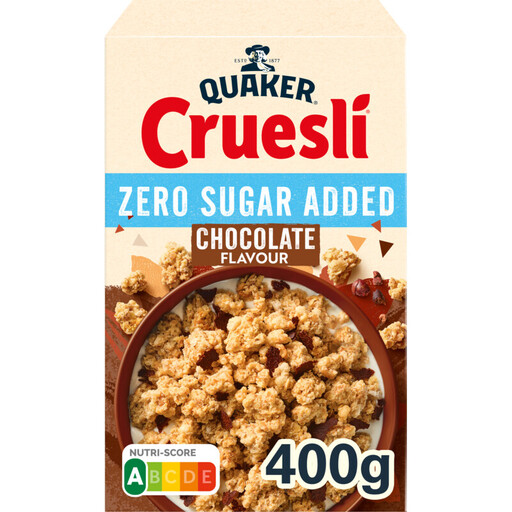
Why This Fits Their Persona: For those who want the crunchy texture and taste of granola, but not the sugar. A perfect choice for a delicious yet responsible sugar-free breakfast.
This product tackles the sugar trap head-on. The name "Zero Sugar" refers to the fact that no sugars or sweeteners have been added. The 3.4 grams of sugar are naturally occurring.
A crunchy granola experience with chocolate flavour, but without added sugars. Rich in fibre (21g) from whole-grain oats and chicory root fibre.
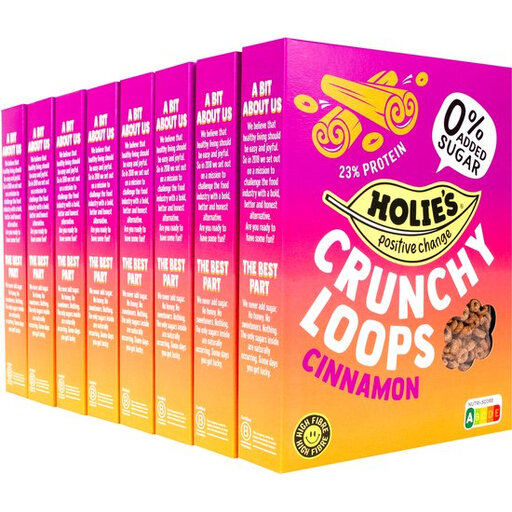
Why This Fits Their Persona: A breakfast that is both nutritious for adults and appealing to children. The cinnamon flavour and fun shape make it a hit, while the nutritional values reassure parents. The value pack is practical for the whole family.
This product from Holie's cereals breaks the cycle of sugary kids' cereals. It offers a fun eating experience with no added sugars and an impressive 23 grams of protein and 22 grams of fibre.
Very high in protein and fibre. No added sugars. Comes in a convenient value pack of 8.
We have compiled a complete, up-to-date list of products that meet these strict selection criteria and Dutch regulations.
Although the terms are often used interchangeably, there is a slight difference. Muesli is typically an unbaked mix of grains, nuts, seeds, and dried fruit. Granola and cruesli are similar: they are baked versions of muesli, often with a sweetener (like honey or syrup) and oil to form crunchy clusters. Cruesli is actually a brand name from Quaker that has become a generic term in the Netherlands.
The recommended serving size on the package (usually 30-45 grams) is often on the low side. A more realistic portion for an adult is between 50 and 80 grams, depending on your energy needs. It's helpful to weigh your portion once to get a better idea of what you're actually eating and its corresponding nutritional values.
No, not necessarily. "No added sugars" means the manufacturer has not added any sugar, syrup, or other sweeteners. However, the product can still contain naturally occurring sugars from ingredients like grains, milk powder, or dried fruit. Always check the "of which sugars" line on the label for the total sugar content.
