
Vandaag of morgen in huis

Kwaliteit gegarandeerd

Welkomstaanbiedingen ontgrendelen: GRATIS bezorging | Tot 80% korting | Gratis 30 dagen JoyPlus-proefperiode
Download de app
The cereal aisle can be overwhelming. Boxes vie for your attention with claims like "high in fibre," "source of protein," or "all-natural." But how often do you get home with a box that seemed healthier in the store than it does on your kitchen counter? Many products hide their true nature behind clever marketing.
Before you make another purchase you'll regret, let's expose two common pitfalls that cost you unnecessary money and make your breakfast less nutritious than you think.
Fortunately, with a little knowledge, you can sidestep these traps. It's all about reading the label correctly.
You don't need to be a nutritionist to make a smart choice. Focus on three key specifications on the packaging. This will help you separate marketing hype from facts.
Forget the serving size and always look at the per 100 grams column in the nutrition table. This is the only way to compare products fairly.
For a long-lasting feeling of fullness and a stable energy supply, fibre and protein are crucial.
The order of the ingredients matters. The ingredient listed first is the most abundant.
Based on these objective criteria, we have selected several breakfast products that suit different needs and lifestyles.
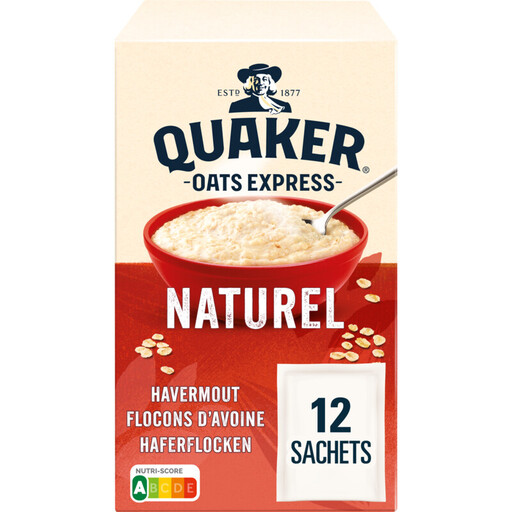
Why This Fits Their Persona: For those who don't have a minute to spare in the morning. These convenient single-serving packets are ready in 2 minutes in the microwave or a saucepan. A quick, warm, and nutritious start to the day.
This product completely avoids the sugar trap. It contains only 1 gram of sugar per 100 grams and no added sugars. The portions are clearly defined, so there's no guesswork.
Made from 100% whole-grain oatmeal and is rich in fibre (9g/100g). The ultimate combination of convenience and nutrition.
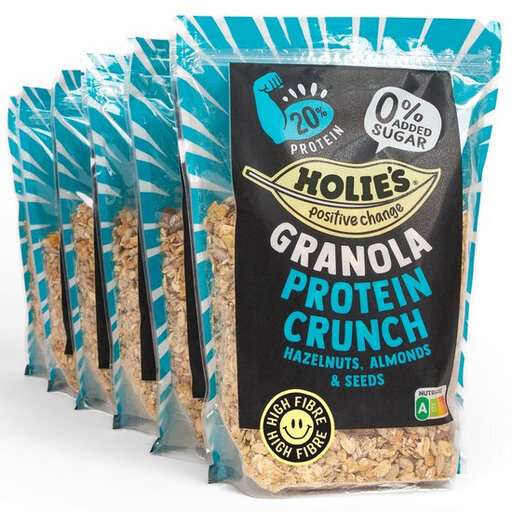
Why This Fits Their Persona: Ideal for anyone seeking a high-protein breakfast to support muscle recovery and growth. This granola provides the fuel for an active day without unnecessary additives.
Many 'protein' products compensate with sugar. Not this granola. With only 2.8 grams of sugar per 100 grams and 0% added sugar, you get pure nutrients.
An impressive 20 grams of protein per 100 grams, derived from soy flakes, seeds, and nuts. It also contains 15 grams of fibre for long-lasting satiety.
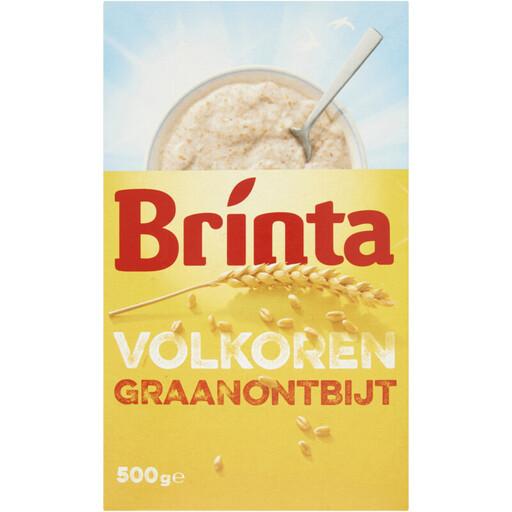
Why This Fits Their Persona: For families who value a trusted and straightforward breakfast. Brinta has been a staple on the Dutch breakfast table for generations. A warm bowl of porridge that provides a powerful start to the day.
Brinta is simplicity itself. The ingredient list has just two items: whole wheat flour and salt. No hidden sugars or marketing tricks, with a natural sugar content of 4.6g/100g.
Made from 100% whole wheat and is a natural source of 6 vitamins and minerals. It delivers a solid 14 grams of protein and 10 grams of fibre per 100 grams.
We have compiled a complete, up-to-date list of products that fully meet these strict selection criteria.
Although they are often mentioned in the same breath, there are clear differences:
A good rule of thumb is to aim for products with less than 5 grams of sugar per 100 grams. Products with up to 10 grams can be acceptable, depending on your diet, as long as the sugar comes from natural sources like fruit and not from added sugars. Always read the ingredient list to identify the source of the sugar.
"Organic" guarantees that the ingredients were grown without synthetic pesticides and artificial fertilisers. However, this says nothing about the sugar or fat content. An organic granola can still be packed with organic cane sugar and oil. Therefore, always check the nutrition table and ingredient list for organic cereals using the same criteria.
