
Vandaag of morgen in huis

Kwaliteit gegarandeerd

Welkomstaanbiedingen ontgrendelen: GRATIS bezorging | Tot 80% korting | Gratis 30 dagen JoyPlus-proefperiode
Download de app
A quick granola for breakfast, a muesli bar for the journey or wholemeal crispbread at the office: healthy breakfast products and snacks can be convenient, but the front of a packet does not always tell the whole story. Terms such as “no added sugars”, “high in fibre” and “high in protein” sound appealing, but they only really tell you something when you check the nutrition table and ingredients list.
Pay particular attention to these three common pitfalls:
Fibre-rich snacks and breakfast products are often chosen because they help you feel full. For a fair comparison, look at dietary fibre per 100 grams, rather than relying only on wording on the packaging.
As a guide, you can compare products based on the table:
A high-fibre choice is not automatically suitable for every eating occasion. A large portion of granola may still be substantial because of its calorie and fat content. So consider the fibre value alongside the serving size and how you plan to use the product.
If you are looking for high-protein granola or oat bars, it is worth looking beyond the protein claim. Check which ingredients provide the protein. These could include soya, wheat protein, nuts or seeds.
Holie’s Granola Protein Amandel Speculaas lists 20 grams of protein and 14 grams of fibre per 100 grams in one of the nutritional variants provided. Holie’s Crunchy Muesli Protein Nuts lists 22 to 23 grams of protein per 100 grams, also depending on the variant shown. This information comes from the product details; always check the current label when buying.
Also pay attention to allergens. Granola containing almonds, hazelnuts, peanuts, soya, oats, barley or spelt is not suitable for everyone. “Plant-based” or “organic” says nothing about the absence of allergens.
With sugar-free granola, it is particularly important to look closely. In practice, “0% added sugar” can go hand in hand with natural sugars, sweeteners or fibre syrup. For example, Hero B’Tween Muesli Bar Zero White Chocolate lists maltitol and 42 grams of polyols per 100 grams. The product information warns that excessive consumption may have a laxative effect.
The same applies to low-calorie snacks: compare the nutritional value per serving as well as per 100 grams. Yan Jin Pu Zi MOWON Konjac Snack lists 92 kcal per 100 grams, while WEILONG Konjac Snack Spicy Flavour lists 84 kcal per 100 grams. However, WEILONG also contains 2.8 grams of salt per 100 grams. A low calorie content is therefore only one part of the decision.
The right product depends on where and when you eat it. A bag of granola may be cost-effective at home, while individually wrapped bars are more convenient in a bag. For a family, allergens and portion distribution are especially important. People who exercise may want to focus more on protein, but total energy, ingredients and flavour still matter.
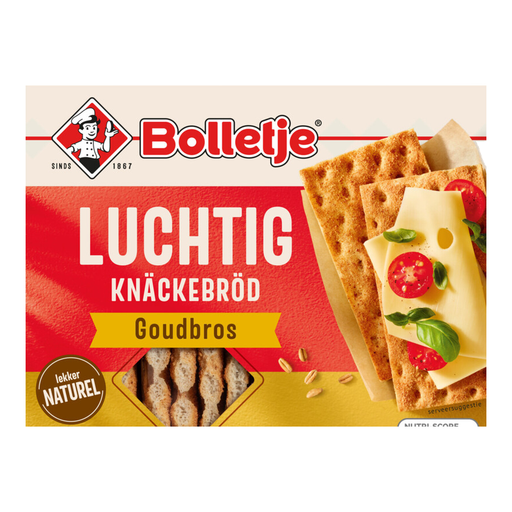
Why it suits this profile: A simple base for breakfast, lunch or a snack, with no complicated preparation. Top it with cottage cheese, peanut butter or vegetables according to your preference.
The nutritional information gives specific figures of 7.7 grams of fibre and 1.6 grams of sugars per 100 grams. This makes it easier to compare the product than by looking at the packaging text alone.
A crunchy texture, suitable for breakfast and lunch, with 13 grams of protein per 100 grams.
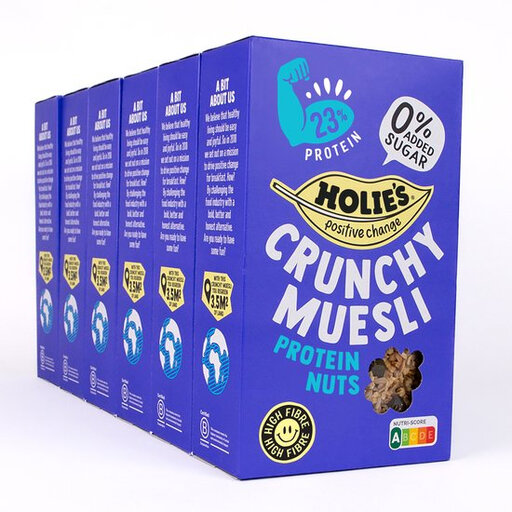
Why it suits this profile: For anyone looking for a supply of crunchy muesli with clear nutritional information and nuts for extra texture.
The product information lists not only 0% added sugar, but also the ingredients: 43% wholegrain oats and 18% chicory root fibre. Always check the current packaging, however.
22 to 23 grams of protein and 19 to 21 grams of fibre per 100 grams, according to the product details provided.
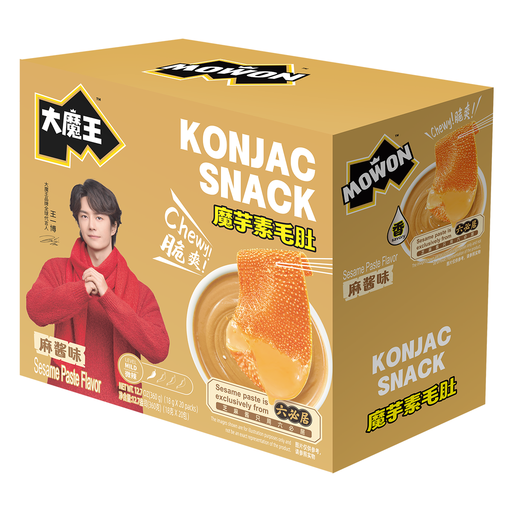
Why it suits this profile: Convenient for anyone who wants to take small portions to work, on the go or during a busy day.
The portions are individually wrapped and the nutritional value is given per 100 grams. This allows you to assess the calorie content alongside the salt content.
92 kcal per 100 grams according to the product information, with 20 bags of 18 grams.

Why it suits this profile: A versatile staple for several eating occasions: breakfast, a light lunch or the basis of a snack.
The ingredients list 48% wholegrain rye flour and 16% wholegrain wheat flour. Allergens such as gluten, sesame and lupin are also clearly stated in the product information.
14 grams of fibre and 11 grams of protein per 100 grams, in a 375-gram pack.
We have put together a complete, up-to-date list of products that fully meet these strict selection criteria and the applicable European safety regulations.
A few simple choices can help you avoid disappointing purchases:
Individual sachets of instant porridge oats are quick to prepare with hot water. Muesli bars and oat bars can be eaten without any preparation. Do check the sugar, fibre and protein values, and consider adding yoghurt and fruit to granola for a more complete breakfast.
No. Nuts, seeds and oils naturally provide energy. For example, Holie’s Granola Nuts & Seeds lists 420 kcal per 100 grams, despite stating 0% added sugar. So always check the full nutrition table and your serving size.
The exact shelf life is stated on the packaging. Dry products such as granola, wholemeal crispbread and nut bars generally keep for longer when unopened and stored in a dry place. Once opened, their flavour and crunch may diminish. Always follow the manufacturer’s storage advice.
