
Vandaag of morgen in huis

Kwaliteit gegarandeerd

Welkomstaanbiedingen ontgrendelen: GRATIS bezorging | Tot 80% korting | Gratis 30 dagen JoyPlus-proefperiode
Download de app
A packet with words like “zero sugar”, “low carb” or “high in fibre” can seem like an obvious choice. But these terms don’t tell the whole story. When it comes to healthy breakfast cereals, it’s not just about the front of the box – it’s the nutrition table, ingredients list, portion size and allergens that really matter.
For British households, there are three common pitfalls to watch out for:
The nutrition table is the most useful starting point. For a fair comparison, look at:
According to the product information, Holie’s Granola Low Carb Crunch contains per 100 grams 18 grams of carbohydrates, 3.2 grams of sugars, 16 grams of fibre and 22 grams of protein. The manufacturer also states 0% added sugar and 65% fewer carbohydrates. These are the brand’s product claims; always compare them with the full nutrition table and the reference on which “less” is based.
Quaker Cruesli Strawberry & Peach states per 100 grams 48 grams of carbohydrates, 4.4 grams of sugars and 24 grams of fibre. The apple, pecan and cinnamon variety contains, according to the product information, 48 grams of carbohydrates, 5 grams of sugars and 24 grams of fibre per 100 grams.
Ingredients are usually listed in descending order by weight. If oats or a wholegrain cereal appears first, it forms a significant part of the mix. Also look out for:
If you’re looking for muesli with no added sugar, you could consider the Quaker Cruesli Zero Sugar varieties. According to the product descriptions, these contain no added sugars or sweeteners, but do contain naturally occurring sugars. “No added sugar” is therefore not the same as “sugar-free”.
Breakfast cereals often contain gluten from wheat, barley, spelt or rye. Milk, soya, peanuts and nuts are also common. So always check the allergen information on the product page and packaging, especially if you have an allergy or intolerance.
Gluten-free millet can be an alternative to wheat and oat products, but watch out for cross-contamination. Nitya Little Millets consists, according to the product information, of little millet and is described as a gluten-free grain. The product is packed in a facility that also handles nuts, dairy and wheat.
For convenience, the preparation method is also important. The Family Fruit and Vegetable Oat Flakes come in 35-gram sachets. According to the instructions, you add approximately 175 millilitres of boiling water. The variety with raisins and red dates also contains 20 portion sachets, making it practical as a breakfast on the go or at the office.
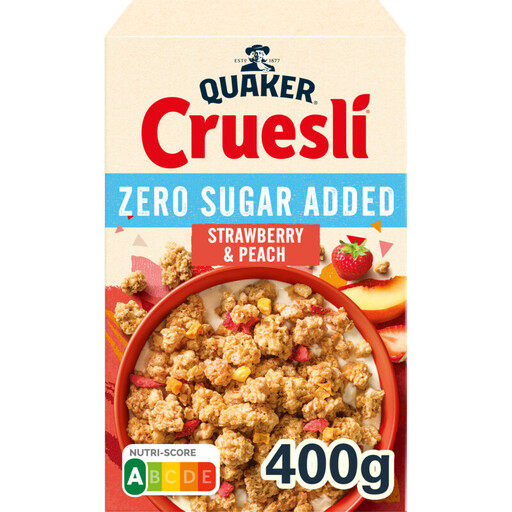
Why this fits the profile: A familiar crunchy muesli for anyone wanting to start simply with a variety that has no added sugar or sweeteners.
The product information separately states that no sugars or sweeteners have been added. The table also shows 4.4 grams of sugars per 100 grams, so you don’t have to rely solely on the front of the pack.
24 grams of fibre per 100 grams; suitable according to the product information for vegan diets.
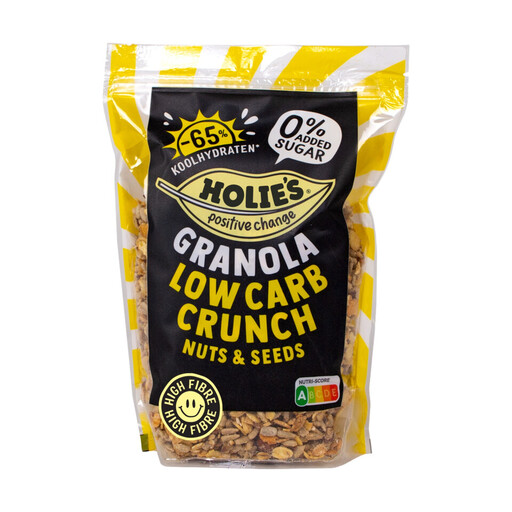
Why this fits the profile: Suits adults who are mindful of carbohydrates and want a hearty mix of nuts and seeds.
The “low carb” claim is backed up by concrete figures: 18 grams of carbohydrates per 100 grams. Do compare this with the portion you actually serve yourself.
16 grams of fibre and 22 grams of protein per 100 grams; ingredients include sunflower seeds, soya flakes, almond and linseed.
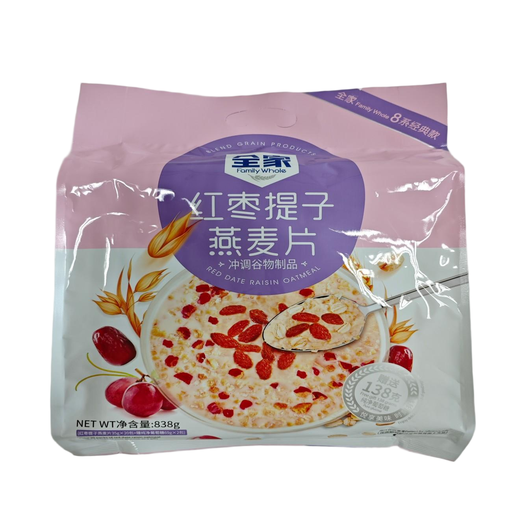
Why this fits the profile: Handy for families, early workdays and situations where a warm breakfast with no cooking time is wanted.
The 20 individual sachets make the portion clear. Do check the table: the oat variety contains, according to the product information, 28 grams of sugars per 100 grams.
25% oat flakes, 10% raisins and 4% red dates; prepare with approximately 175 millilitres of boiling water.
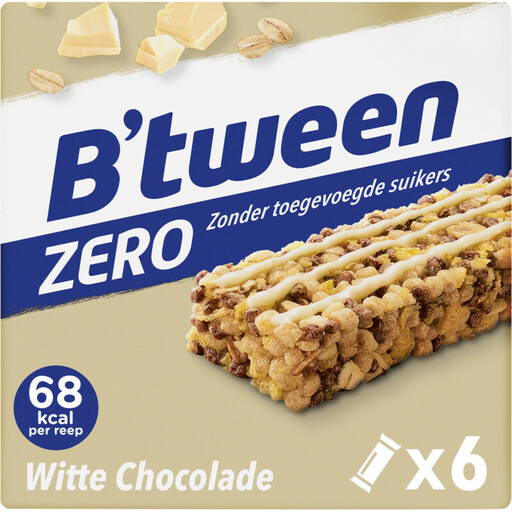
Why this fits the profile: A compact option for breakfast on the go, at school or during a busy workday.
The bar is individually wrapped and states 68 kcal per bar. However, the table also lists 42 grams of polyols per 100 grams and warns of a possible laxative effect if consumed in excess.
Individually wrapped; according to the product information, no added sugars, but contains naturally occurring sugars.
We’ve put together a full, up-to-date list of products that fully meet these strict selection criteria and comply with current European safety regulations.
It varies from product to product. In the nutritional information provided, Holie states 16 grams of fibre per 100 grams, Quaker Strawberry & Peach 24 grams and Quaker Choco 21 grams. Always compare per 100 grams, because portion sizes can differ.
No. “No added sugar” means that no sugar or sweetener has been added during production, but ingredients such as fruit can contain naturally occurring sugars. So check the “of which sugars” line in the nutrition table.
Yes, as long as the portion and packaging fit your routine. Individual sachets, like those in the Family oat variety, are easy to prepare with hot water. A muesli bar is even more compact, but may contain sweeteners or polyols. For a more complete breakfast, you can combine crunchy muesli with yoghurt, milk or a plant-based alternative and perhaps some fresh fruit.
