
Vandaag of morgen in huis

Kwaliteit gegarandeerd

Welkomstaanbiedingen ontgrendelen: GRATIS bezorging | Tot 80% korting | Gratis 30 dagen JoyPlus-proefperiode
Download de app
If you’re looking for healthy snacks, you’ll soon come across terms such as “sugar-free”, “low GI”, “organic” and “extra high in fibre”. These claims can be useful, but they don’t tell the whole story. A snack that’s low in sugar, for example, may still be high in fat or calories. And a product containing nuts or wholegrains isn’t automatically suitable for someone with an allergy.
Use this practical checklist to compare healthy snacks, muesli bars, crispbreads and konjac snacks based on the things that really matter.
The front of the pack often features claims such as “high fibre”, “organic” or “sugar-free”. Always check the nutrition table and ingredients list too. In particular, look at:
A muesli bar, for example, may contain fibre but also glucose syrup, honey or sugar. If a product contains sweeteners, it’s worth reading the warning on the label.
According to the product information provided, some konjac products are relatively low in energy per 100 grams. However, that doesn’t automatically tell you anything about their overall nutritional content. Some varieties are actually high in salt, oil or flavour enhancers.
For example, Wei Long Konjac Snack lists 114 kcal and 3.16 grams of salt per 100 grams. Be&Cheery Crispy Konjac Snack lists 1,250 mg of sodium per 100 grams. So if you’re comparing snacks online, it’s best not to look at calories alone.
Nut bars, crackers and oat bars can contain gluten, soya, sesame, milk, peanuts or other allergens. Always check the current packaging, even if a product seemed suitable before.
Individual packs are handy for taking on the go, but can make it easier to eat several portions one after another. So check the weight per piece, not just the total weight of the box.
Values per 100 grams make it easier to compare different products. For high-fibre snacks, check the number of grams of fibre, and for sweet varieties, check the sugar content.
A few examples from the range:
So a low sugar content is just one part of the comparison.
Ingredients are listed in descending order by weight. If sugar, syrup or oil appears near the top, it makes up a significant part of the product. For organic snacks, also check that the packaging carries a recognised organic certification mark.
Brand claims such as “low GI”, “contains a portion of vegetables” or “suitable for a healthy lifestyle” are no substitute for the nutrition table. According to MadeGood’s own product description, some bars contain plant extracts and are organic and vegan. If you have allergies, always check the current ingredients list and information about possible cross-contamination.
Before buying, check:
Products from international ranges may have additional information on the packaging. Always follow the information on the current pack, especially if it differs from the online product details.
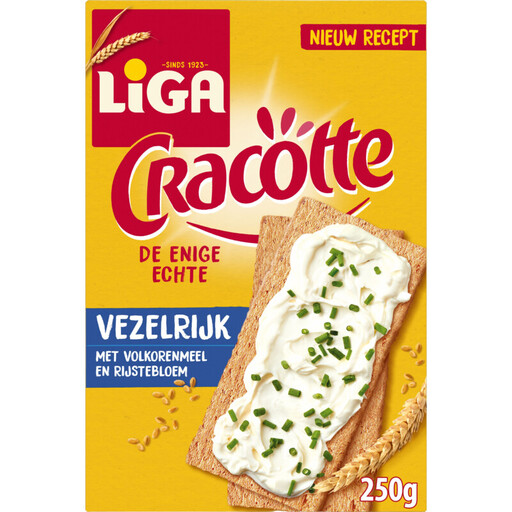
Why it suits this profile: The pack contains around 34 crispbreads. That means you can have a small portion at breakfast, at work or with sweet or savoury toppings.
The nutrition information lists 11 grams of fibre per 100 grams, so you can check the “high in fibre” claim. Do bear in mind that the ingredients list includes gluten and milk.
368 kcal and 11 grams of fibre per 100 grams; goes well with both sweet and savoury toppings.
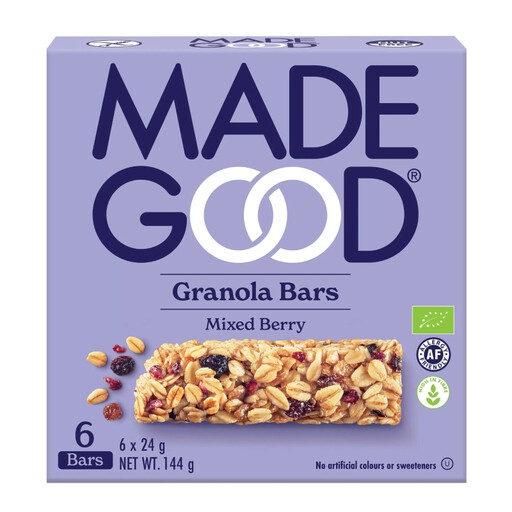
Why it suits this profile: According to the product description, this organic granola is vegan and made with gluten-free oats and berries. Handy for school, work or taking on the go.
The product information lists its organic status and ingredients. However, it contains 27 grams of sugars per 100 grams, so “organic” doesn’t mean sugar-free in this case.
Vegan ingredients according to the product description; 0.11 grams of salt per 100 grams.
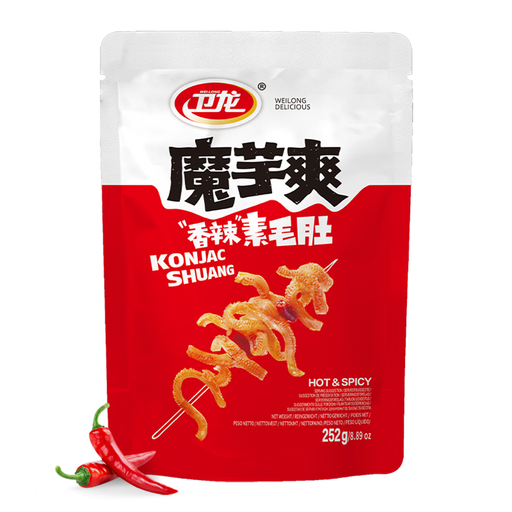
Why it suits this profile: The individual packs are handy for taking on the go, sharing or serving a set portion with a meal. The spicy flavour is ideal for fans of savoury snacks.
The nutrition information shows that the product contains 114 kcal, but also 3.16 grams of salt per 100 grams. This makes it clear why you should keep an eye on portion size.
252 grams with around 28 individual packs; ready to eat and full of savoury spices.
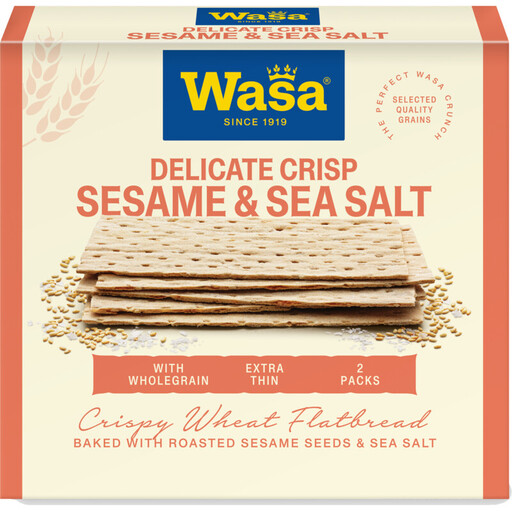
Why it suits this profile: Its thin, crisp texture makes it a quick snack or a base for toppings at breakfast or lunch.
The fibre claim is accompanied by specific nutritional values. Bear in mind that it may contain gluten, sesame and milk if you need to avoid allergens.
43% wholemeal flour, 9.5% fibre according to the product description and a 190-gram pack.
We’ve put together a full, up-to-date list of products that meet these strict selection criteria and the current European safety requirements.
Individually wrapped muesli bars, nut bars, crackers and konjac products are easy to take with you. Check the portion size, allergens and storage instructions in advance. A bar or pack with a clearly stated portion can be more convenient than a large pack that you keep opening.
No. “Sugar-free” or “without sucrose” doesn’t mean a product is low in calories, fat or carbohydrates. For example, Panpan Low GI Sugar-Free Oat High Fiber Biscuits lists maltitol as a sweetener and, according to the product information, contains 470 kcal and 20 grams of fat per 100 grams. So always compare the full nutrition table.
Check the amount of fibre per 100 grams. Liga Cracotte lists 11 grams, Bolletje Crunchy Muesli Hazelnut Almonds 13 grams and Bolletje Cereal Bars 14 grams per 100 grams. The right choice then depends on your taste, portion size, any allergens and when you plan to eat the snack.
