
Vandaag of morgen in huis

Kwaliteit gegarandeerd

Welkomstaanbiedingen ontgrendelen: GRATIS bezorging | Tot 80% korting | Gratis 30 dagen JoyPlus-proefperiode
Download de app
A packet with words like “natural”, “healthy” or “no added sugar” can quickly seem like a sensible choice. But the front of the pack doesn’t always tell the full story about what’s inside. When you’re buying healthy breakfast cereals and snacks online, it’s worth comparing the nutrition table, ingredients list and allergen information side by side.
A product can contain no added sugar and still have natural sugars from fruit, dates or syrups. Sweeteners such as maltitol aren’t ordinary sugar either, but they can affect both taste and how well you tolerate them.
So always check:
With a no-added-sugar granola, the fat and calorie content also matters. Nuts, seeds and oils provide nutrients, but they generally increase the energy value.
A breakfast product with “fruit and vegetables” on the front may only contain a limited percentage of them. For example, Family Whole Fruit and Vegetable Dietary Oat Flakes lists 8% fruit and vegetables, while the product also contains wheat, maize, soya, barley malt extract and glucose.
So check the quantitative ingredient declaration. This shows how much oats, fruit, nuts or other prominent ingredients are actually present.
A multigrain loaf or roll can contain different grains, but a large proportion of the flour may still be refined wheat flour. Check the percentage of wholegrain flour. According to the product information, g'woon Popular Multigrain Baguettes contain 56% wholegrain wheat flour, 3% wholegrain rye flour and various seeds and grains.
The ingredients list is also useful for wholegrain crispbread. g'woon Wholemeal Crispbread contains 48% wholegrain rye flour and 16% wholegrain wheat flour, with 14g of fibre per 100g.
For a fair comparison, use the value per 100g rather than just the claim on the front. Products with relatively high fibre include:
Values can vary between product variants, so always check the actual packaging.
A high-protein granola isn’t automatically suitable for every breakfast. Holie’s Crunchy Muesli Protein Nuts states 22 to 23g of protein per 100g, but also contains nuts, wheat protein and wheat gluten. TastyBasics Granola Chocolate & Nuts states 21g of protein per 100g and 19g of fat.
Also pay attention to the recommended serving. A small serving of granola might be 30g, but in practice a bowl can easily contain more. So compare products first per 100g, then calculate the values for your usual portion.
For anyone with an allergy or coeliac disease, the allergen information is decisive. Look out for wheat, barley, rye, oats, soya, milk, egg, sesame and nuts. “Gluten-free snacks” must be clearly labelled as such, but also check warnings about possible traces.
The product information for Leev BIO Lentil Waffles states 99.5% lentil flour and a gluten-free positioning, but also mentions soya in the allergen information. If in doubt, the packaging is the final authority. The same applies to oats: Quaker Oatmeal consists of 100% wholegrain oats according to the product information, but may contain barley and wheat.
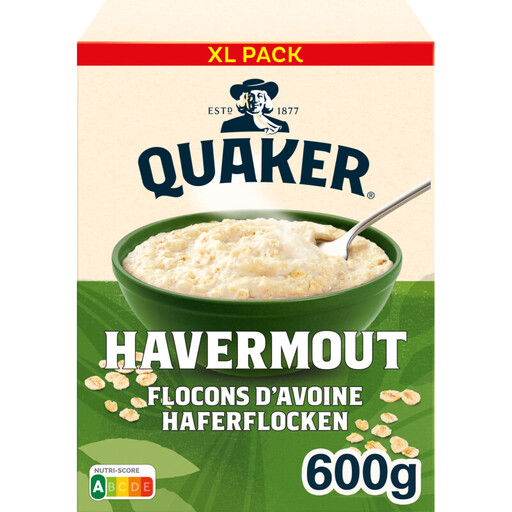
Why this fits the profile: A simple base for anyone wanting to start with porridge without a long list of ingredients.
The ingredients list states 100% wholegrain oats and 1.1g of sugars per 100g. Do check the warning for wheat and barley.
100% wholegrain oats, 9g of fibre and 11g of protein per 100g according to the product information.
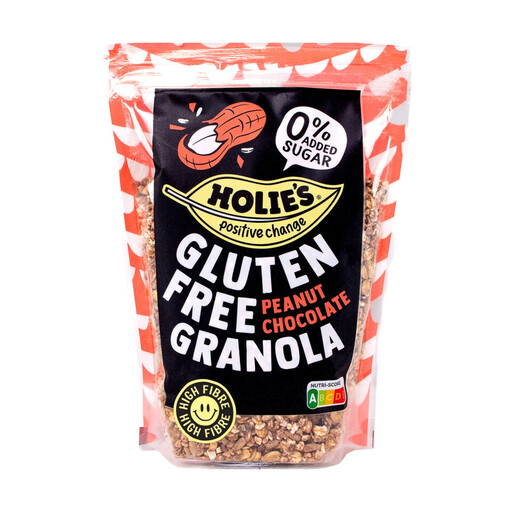
Why this fits the profile: Ideal for anyone looking for a crunchy granola with peanut and cocoa who wants to compare sugar content.
The product information states 0% added sugar. At the same time, peanut and possible traces of other nuts and soya are clearly indicated.
14g of fibre, 15g of protein and 4g of sugars per 100g according to the stated table.
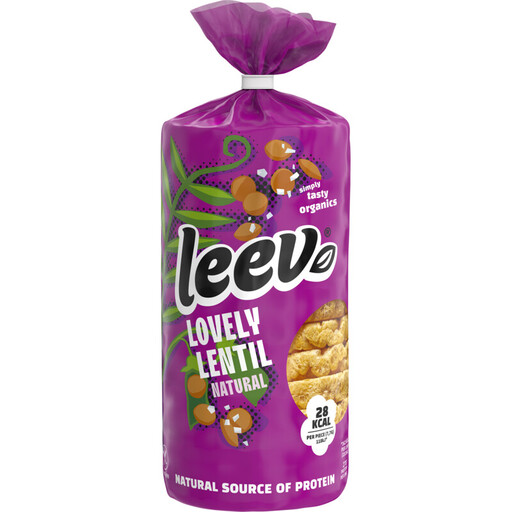
Why this fits the profile: Handy as a crunchy snack on the go, at the office or as a light base for lunch.
The composition states 99.5% lentil flour, so the product choice relies less on broad claims on the front.
27.3g of protein and 5.4g of fibre per 100g; the product information states 28 kcal per waffle.
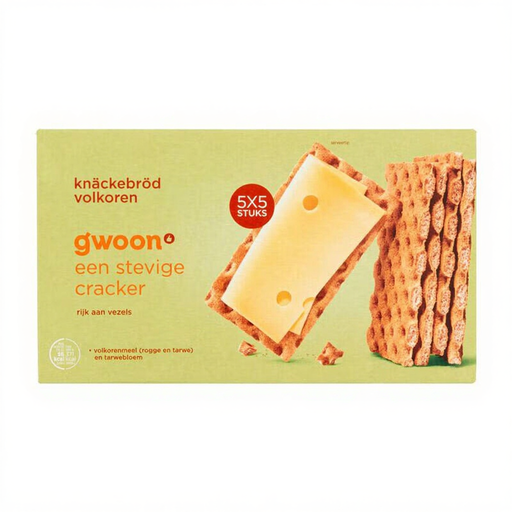
Why this fits the profile: A cupboard-friendly choice for breakfast, lunch and in between, with room for savoury or sweet toppings.
The composition and fibre value are clearly stated. Do bear in mind gluten, sesame, milk, egg, lupin and possible traces of soya.
14g of fibre, 11g of protein and 1.8g of sugars per 100g according to the product information.
We’ve put together a full, up-to-date list of products that fully meet these strict selection criteria and comply with current European safety regulations.
With sugar-free biscuits, pay attention to the sweetener used. Panpan Low GI Sugar-Free Oat High Fiber Biscuits contain maltitol and also list wheat, soya, oats and egg as allergens. “Sugar-free” doesn’t automatically make a biscuit suitable for every diet.
No. Granola with nuts, seeds or oil can be relatively high in calories. So compare energy, fats and serving size per 100g. A product with lots of fibre or protein can still be energy-dense.
Porridge is practical and versatile. Quaker Oatmeal and Brinta Oatmeal list 100% oats as the ingredient. Add your own fruit, nuts or seeds so you can control the sweetness and portion size. If you have an allergy, always check the warning about possible traces of other grains.
Store dry products in a cool, dry place away from direct sunlight. Seal opened packets tightly. For bread products, follow the instructions on the packaging; some varieties can be frozen. Check the best-before date before use and don’t use any product with damaged packaging.
