
Vandaag of morgen in huis

Kwaliteit gegarandeerd

Welkomstaanbiedingen ontgrendelen: GRATIS bezorging | Tot 80% korting | Gratis 30 dagen JoyPlus-proefperiode
Download de app
A quick, nutritious start to the day—that's the promise of breakfast cereal. But the reality on the supermarket aisle is often quite different. Packaging screams for attention with claims like "whole grain" and "source of fibre," while the fine print paints a less rosy picture. If you're looking for truly healthy breakfast cereals, it's easy to fall into the trap of clever marketing.
Before you put a box in your cart, it's wise to be aware of a few common deceptions:
You don't need to be a nutritionist to make an informed choice. By paying attention to three simple specifications, you can see through most of the marketing jargon and choose a product that truly contributes to an energetic and high-fibre breakfast.
This is the most important factor. Look at the back of the package for the nutrition table under "Carbohydrates" and then specifically "of which sugars".
sugar-free cereals or low-sugar granola.Protein and fibre provide a long-lasting feeling of fullness and a stable energy release. This helps you get through the morning without reaching for unhealthy snacks.
Protein muesli is a good search term for this.The ingredients are listed in order of quantity. The ingredient mentioned first is the most abundant.
Based on these objective criteria, we have selected a number of products that suit different needs.
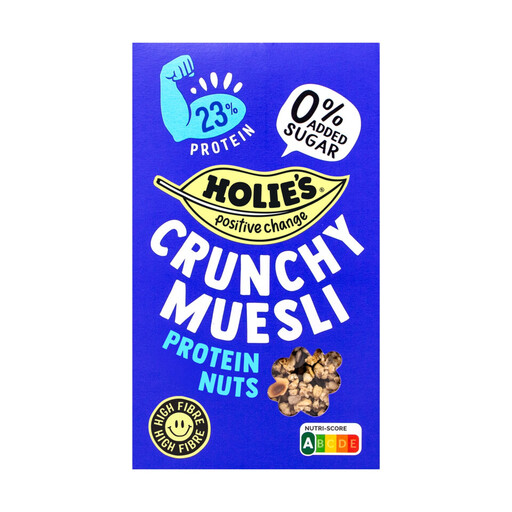
Why This Fits Their Persona: Ideal for those who need a quick, high-protein meal after a workout or before a long day. This protein muesli supports muscle maintenance and provides sustained energy without the sugar crash.
This product tackles the sugar trap head-on. The packaging states "0% added sugar," and the nutritional value confirms this with only 2.3 grams of sugar per 100 grams.
Very high in protein (23g/100g) and fibre (19g/100g) for maximum satiety. Made with whole-grain oat flakes and nuts.
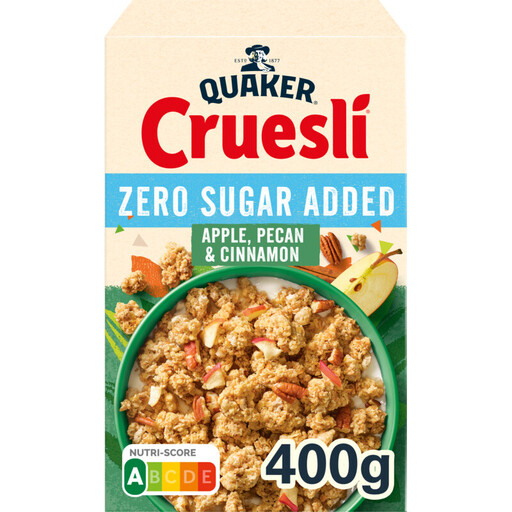
Why This Fits Their Persona: For those who want the crunchy texture of granola but want to avoid added sugars. This version offers the familiar taste and bite, but in a low-sugar package. Perfect for a delicious yet responsible breakfast.
The name "ZERO Sugar Added" is clear. The product contains no added sugars or sweeteners. The 5 grams of sugar per 100 grams are naturally occurring, from sources like the apple pieces.
Extremely high in fibre (24g/100g) due to chicory root fibre. Offers a crunchy experience without the sugar spike of traditional granola.
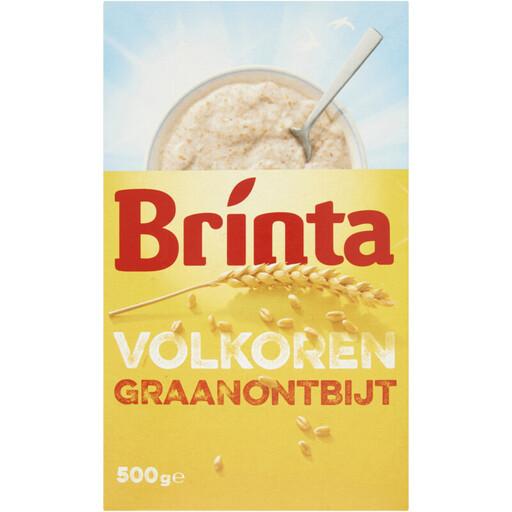
Why This Fits Their Persona: For those looking for a pure, unprocessed base for their breakfast. Brinta is a Dutch classic that gives you complete control over what you eat. Add your own fresh fruit, nuts, or seeds for flavour and extra nutrients.
The ingredient list is the shortest possible: whole-wheat flour and salt. No hidden sugars, no unnecessary additives. You know exactly what you're eating.
Made from 100% whole-grain wheat. A natural source of fibre (10g/100g) and protein (14g/100g) with a very low sugar content (4.6g/100g).
We have compiled a complete, up-to-date list of products that fully meet these strict selection criteria and local regulations.
Although the terms are often used interchangeably, there is a clear difference. Muesli is an unbaked mix of grains, nuts, seeds, and dried fruit. Granola and cruesli are varieties that are baked in an oven with oil and a sweetener (like honey or syrup) to form crunchy clusters. Granola is often coarser in texture than cruesli. If you're considering buying granola, pay extra close attention to the added sugars and fats.
Most packages recommend a serving of 30-45 grams. In practice, however, many people scoop 60-80 grams into their bowl. Weigh your portion once to get a realistic idea of your intake. This allows you to better estimate the nutritional values and avoid the pitfall of the unrealistic serving size.
Not necessarily. A product with no added sugars can still contain a lot of sugar from natural sources, such as a large amount of dried fruit. While this is often a better choice than refined sugar, it is still sugar. Therefore, always continue to check the total sugar content per 100 grams on the nutrition label.
