
Vandaag of morgen in huis

Kwaliteit gegarandeerd

Welkomstaanbiedingen ontgrendelen: GRATIS bezorging | Tot 80% korting | Gratis 30 dagen JoyPlus-proefperiode
Download de app
A great day starts with a nutritious breakfast. But the search for genuinely healthy breakfast products can feel like navigating a maze. Packaging screams for attention with claims like "whole grain" and "less sugar," but what do they really mean? As a Product Recommendation Officer at Joybuy, I'm here to help you cut through the marketing jargon and make choices that fit your lifestyle.
It's easy to fall for a pretty box, but it's what's inside that counts. Let's look at a few common pitfalls so you know what to watch out for.
To ensure you make the right choice, it's helpful to know which specifications truly matter. By focusing on the following three points, you can make an informed decision and find products that are genuinely nutritious.
The most important indicator is the amount of sugar per 100 grams, not per serving. This makes comparisons fair and transparent.
Fiber and protein provide a long-lasting feeling of fullness, making you less likely to reach for unhealthy snacks.
The order of the ingredients tells you what the product is primarily made of.
Based on these objective criteria, we've selected a few products that suit different needs and lifestyles.
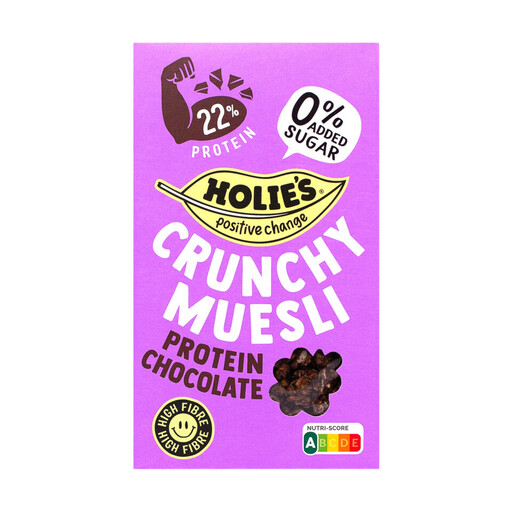
Why This Fits Their Persona: Ideal for those seeking a nutritious, high-protein breakfast after a workout. It supports muscle recovery without the sugar spike that can undermine your performance later in the day.
This product bypasses the 'protein illusion' trap. With 22 grams of protein per 100 grams, its 'high-protein' claim is fully justified. At just 2.1 grams of sugar, it's not a disguised sugar bomb either.
Very high in protein (22g) and fiber (21g). No added sugars.
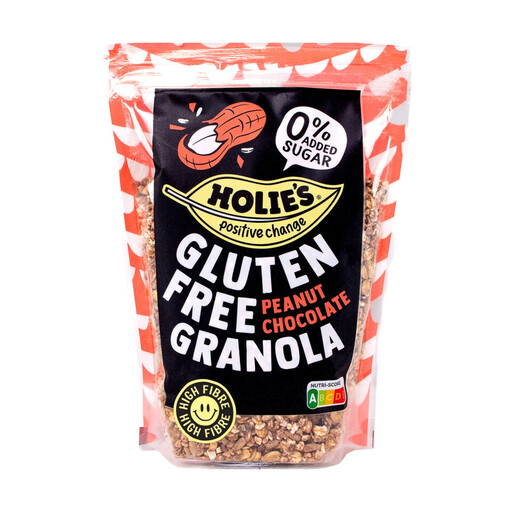
Why This Fits Their Persona: Perfect for those following a specific diet, such as gluten-free, without wanting to compromise on taste. This gluten-free granola is a conscious choice with no added sugars.
This product tackles the 'healthy sugar bomb' pitfall. It contains 0% added sugar and is sweetened with natural ingredients. The ingredient list is transparent and based on whole-grain oat flakes and peanut butter.
Completely gluten-free with no added sugars. Contains 15g of protein and 14g of fiber per 100g.
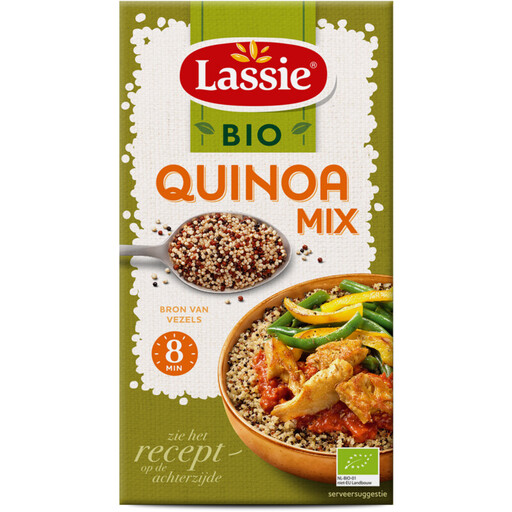
Why This Fits Their Persona: For those looking for versatile and healthy grains. This organic quinoa is not only great for breakfast (as a porridge) but also for lunch salads or as a base for dinner. Quick, easy, and pure.
This product is simplicity itself: it contains only organic quinoa. No hidden sugars, no unnecessary additives. You know exactly what you're eating, thus avoiding all the marketing traps of processed products.
Organic, gluten-free, and a source of protein and fiber. Ready in 8 minutes and highly versatile.
We have compiled a complete, up-to-date list of products that fully meet these strict selection criteria and local regulations.
While many packages suggest a 30-45 gram serving, this is on the low side for most adults. A more realistic portion is often between 50 and 70 grams, depending on your energy needs. It's helpful to weigh your own portion once. This way, you'll know exactly how much you're consuming and can estimate the nutritional values more accurately.
An organic label guarantees that no chemical pesticides were used during cultivation. However, it says nothing about the amount of sugar, fat, or salt added during processing. An organic cookie is still a cookie. So, even with organic products, always critically examine the ingredient list and the nutrition facts table.
Absolutely. Products like quinoa and whole grains like orzo are surprisingly versatile. You can cook organic quinoa with milk (or a plant-based alternative), fruit, and nuts for a nutritious breakfast porridge. Buying orzo to use as a base for a breakfast salad is also an option. It's a great way to add variety, complex carbohydrates, and fiber to your morning routine.
