
Vandaag of morgen in huis

Kwaliteit gegarandeerd

Welkomstaanbiedingen ontgrendelen: GRATIS bezorging | Tot 80% korting | Gratis 30 dagen JoyPlus-proefperiode
Download de app
As a parent, you want the right snack for your child. But supermarket shelves are filled with baby snacks, all claiming to be the healthiest choice. The colourful packaging and cheerful slogans make it difficult to see what is truly a responsible option. Many parents unknowingly fall into common traps, leading them to buy snacks that aren't ideal for their baby or toddler.
Before you make a choice, it's helpful to know the most common missteps:
To see through the marketing, you can focus on a few concrete specifications. These will help you make a choice that fits your child's needs.
The front of the package is for sales; the back is for information. A short and understandable ingredient list is often a good sign. Pay special attention to the following points:
The development of oral motor skills is an important phase, and the texture of the snack plays a role in this.
Not every snack is for the same occasion. A fruit pouch is convenient for on the go, but it's also good to let your child get used to eating with a spoon or their hands. A baby dessert, as the name suggests, is more of a dessert and may have different nutritional values than a daytime snack. Vary the types and textures to stimulate taste development.
To help you get started, we've highlighted some popular choices that suit different needs and ages.
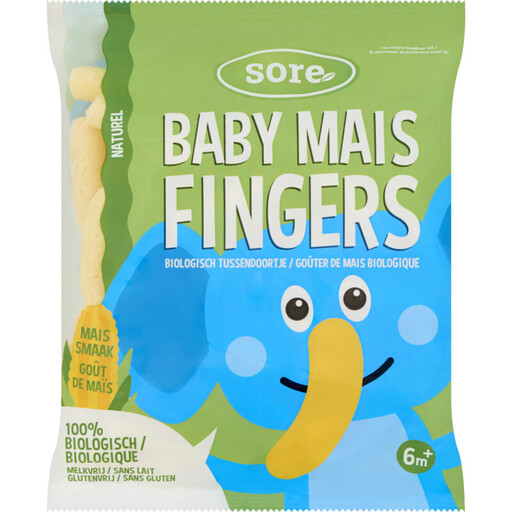
Why This Fits Their Persona: Ideal for parents looking for one of the first baby snacks for 6 months. The texture is specially designed to melt in the mouth, which reduces the risk of choking. The simple composition is perfect for babies just starting on solid foods.
This product bypasses the misleading packaging trap by being extremely transparent. The ingredient list is minimal (organic corn grits, sunflower oil, thiamine) and the texture is perfectly suited for the youngest eaters.
100% organic and free from the 14 major EU allergens. Contains no added salt or sugar.
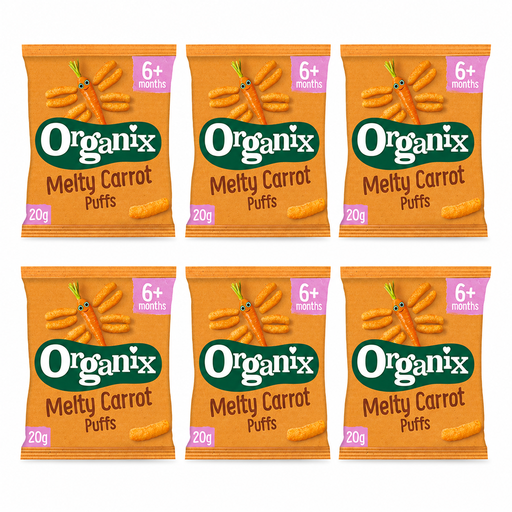
Why This Fits Their Persona: For parents who value organic baby snacks. Organix focuses on pure, organic ingredients without unnecessary additives. The addition of carrot introduces a vegetable flavour in an accessible way.
The "organic" claim is supported here by a clear ingredient list. There are no hidden sugars or salt. The flavour comes from real carrot powder, not artificial flavourings.
Made with organic corn and carrot. Contains no added salt and only naturally occurring sugars.
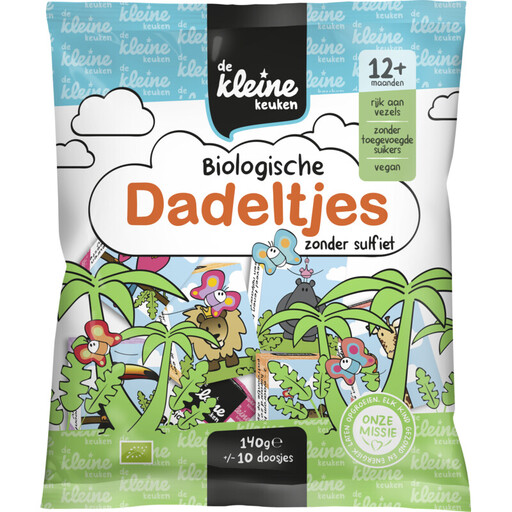
Why This Fits Their Persona: A nutritious and fibre-rich snack for active toddlers. The dates are a natural source of energy and minerals. The convenient on-the-go boxes make it a practical choice for outings.
This product is honest about its contents: they are dates, which are naturally sweet. The brand emphasizes that no sulphites have been added, a preservative often used in dried fruit that is best avoided for your child.
Organic, high in fibre, and with no added sugars or sulphites. According to De Kleine Keuken, the product is rich in iron and copper.
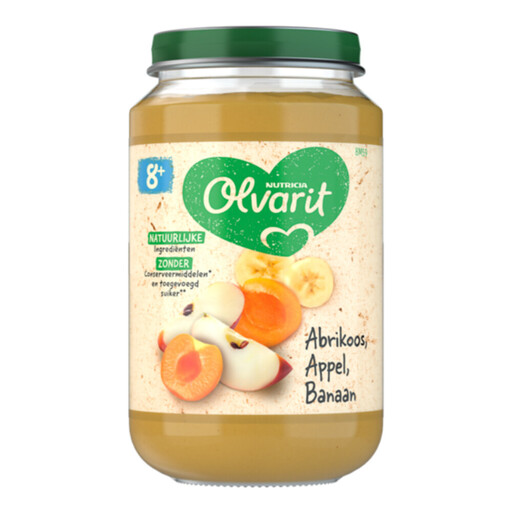
Why This Fits Their Persona: A classic baby fruit puree for parents seeking a pure fruit snack. The texture is adapted for babies from 8 months and the flavour is recognisable, which contributes to taste development.
This product avoids the sugar trap by not adding any sugars. The sweetness comes entirely from the fruit itself. The ingredient list is short and consists mainly of fruit puree and a little rice flour for texture.
Made with pure and natural ingredients. Contains no added sugars and has a texture tailored for babies from 8 months.
We have compiled a complete, up-to-date list of products that meet these selection criteria and current guidelines.
Most parents start with snacks around 6 months, at the same time as transitioning to solid foods. Always begin with soft, safe options like pureed fruit or snacks that melt in the mouth, specially developed as first bites. The age recommendation on the packaging is a reliable guide.
The easiest way is to check the ingredient list. Look for terms ending in "-ose" (like fructose, dextrose) and other names for sugar, such as syrup or fruit juice concentrate. A product that contains "only naturally occurring sugars" is often a better choice, but it's still wise to check the total amount of sugar in the nutrition table.
Organic baby snacks guarantee that the ingredients have been grown without chemical pesticides. This is a plus, but it says nothing about the nutritional value of the final product. An organic biscuit can still contain a lot of sugar. Making a responsible choice means looking at both the organic label and the ingredient list and nutritional values.
