
Vandaag of morgen in huis

Kwaliteit gegarandeerd

Welkomstaanbiedingen ontgrendelen: GRATIS bezorging | Tot 80% korting | Gratis 30 dagen JoyPlus-proefperiode
Download de app
A health monitor for home use can help you keep track of data such as blood pressure, heart rate, sleep, activity, blood oxygen or blood glucose in a clear overview. The range spans from a simple blood pressure monitor to a health smartwatch with GPS and sleep monitoring. That also makes it easy to pay for features you do not use, or choose a device that does not suit what you want to measure.
These points will help you distinguish marketing claims from verifiable product specifications.
A smartwatch or fitness tracker can record heart rate, steps, sleep and blood oxygen. These readings are mainly intended to provide insight into trends and everyday use. They are not automatically suitable for diagnosis or for adjusting medication.
Therefore, pay attention to the distinction between:
According to information published by various brands, health features on wearables are not intended to replace medical advice. Treat unusual readings as a reason to consult a healthcare professional, rather than as a diagnosis in their own right.
With a blood glucose meter or diabetes testing kit, test strips and lancets are recurring costs. Before buying, check:
For example, the Yuwell 710 only uses test strips from the same model and brand. The corresponding strips for Sinocare Safe AQ systems are also model-specific. As a result, an inexpensive starter pack is not automatically more economical in the long term.
A manufacturer may describe a product as accurate or reliable. According to the brand’s own research, certification or product information, this may be based on specific conditions. In practice, factors including an incorrectly sized cuff, cold fingers, movement, talking, nail varnish or a flat battery can affect the result.
So do not just read the marketing copy. Also check the measuring procedure, measurement ranges and accessories supplied.
Match the device to your needs:
A blood pressure cuff for an upper arm measuring 22 to 45 cm is not the same as a model for a narrower arm. An oximeter should close securely around your finger without becoming uncomfortable. With a wearable, the weight, strap material and screen size all affect whether you will continue wearing it every day.
A large screen and one-button operation can be useful for older people or carers. Also consider the language of the manual, the required app and how the data is stored.
Long battery life is particularly important for sleep tracking and continuous heart-rate monitoring. According to the product description, the Huawei Watch Fit 4 Pro offers battery life of up to 10 days, while the Samsung Galaxy Watch7 lists approximately 40 hours of battery life. Actual battery life depends on features such as GPS, screen usage and notifications.
Also check whether the product comes with:
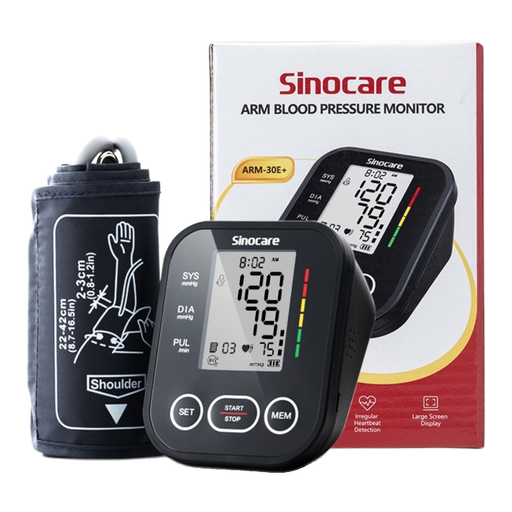
Why it suits this profile: One-button operation, a 3.6-inch LCD screen and the supplied upper-arm cuff make this model suitable for straightforward measurements at home.
It is a dedicated blood pressure monitor rather than a smartwatch feature. However, check that the cuff fits properly around your upper arm and follow the instructions.
Arrhythmia indication, large LCD screen and four AAA batteries included.
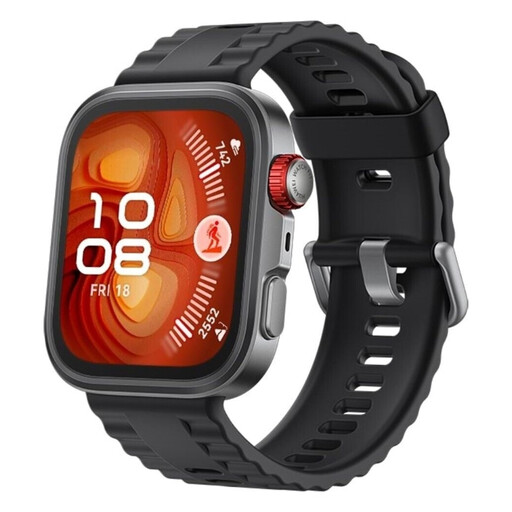
Why it suits this profile: This smartwatch combines everyday notifications with heart-rate, blood-oxygen and sleep features, GPS and a 1.82-inch AMOLED display.
The features are clearly described as sensors and user functions. They do not replace separate medical blood pressure or glucose measurements.
Sapphire glass, aluminium case, built-in GPS and 5 ATM water resistance according to the product information.
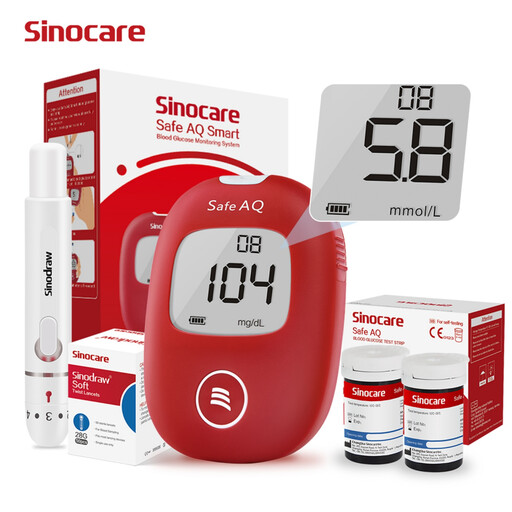
Why it suits this profile: For users who want to measure glucose regularly, the set includes a meter, lancing device, 50 test strips and 50 lancets.
The contents of the package and the compatible strips are clearly specified. Only use the designated strips and never share lancing equipment.
According to the product description, the measuring time is 5 seconds and no manual coding is required; the unit of measurement is mmol/L.
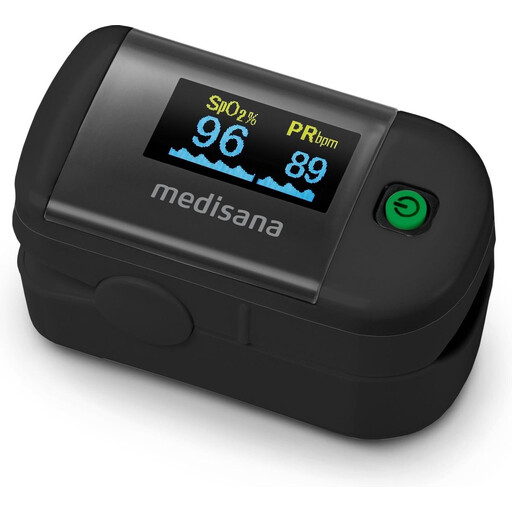
Why it suits this profile: One-button operation and a screen with adjustable brightness make this oxygen saturation monitor practical at home and on the go.
The product information states that the device is intended for wellness monitoring and does not replace a medical diagnosis. Cold fingers and movement can affect the reading.
Displays SpO₂ and heart rate, weighs 53 grams according to the specifications and runs on two AAA batteries.
We have put together a complete, up-to-date list of products that fully meet these strict selection criteria and the applicable European safety regulations.
That depends on the type of device, the measuring method and how it is used. The correct cuff size, a relaxed posture, warm fingers and a charged battery can help reduce measurement errors. If in doubt, compare readings with advice from a healthcare professional. A wearable is generally intended for tracking trends, not for making an independent medical diagnosis.
Lifespan varies from product to product. A blood pressure monitor or pulse oximeter can last for years with careful use, while batteries and accessories may need replacing sooner. With a glucose meter, test strips and lancets are the main consumables. Also check whether the manufacturer continues to provide software updates and app support.
A basic blood pressure monitor or oxygen saturation monitor usually has no fixed monthly costs. With a glucose meter, you need to allow for recurring costs for test strips and lancets. A smartwatch may also use an app or optional subscription. So do not calculate only the purchase price; also factor in the cost of accessories and services you actually need.
