
Vandaag of morgen in huis

Kwaliteit gegarandeerd

Welkomstaanbiedingen ontgrendelen: GRATIS bezorging | Tot 80% korting | Gratis 30 dagen JoyPlus-proefperiode
Download de app
When you want to track your health at home or on the go, you’ll quickly come across dozens of health monitors all making similar promises. A blood pressure monitor, glucose meter, pulse oximeter or smartwatch with health features can be useful – but only if the device matches your purpose and is used correctly.
Most costly mistakes don’t happen because of a missing extra feature, but because of wrong expectations. So first, check exactly what you want to measure, how often you’ll do it, and what ongoing costs are involved.
A fitness tracker, smartwatch or sleep monitor can show trends in heart rate, activity, sleep or blood oxygen. That doesn’t automatically make it suitable for medical assessment. According to the product information, the health features of smartwatches are generally intended for insight and wellness, not for diagnosis or treatment.
For a specific value, it’s best to choose a device that is explicitly designed for that purpose, such as a blood pressure monitor, glucose meter or saturation monitor. Discuss any unusual or persistent readings with a healthcare professional.
With a diabetes test kit, test strips and lancets are recurring costs. So check:
A low price for the meter can become less attractive if compatible accessories are hard to find or relatively expensive.
A wrist blood pressure monitor is compact, but your wrist must be held at heart level during measurement. An upper arm monitor takes a bit more space, but has a cuff that needs to fit properly around your upper arm. With a pulse oximeter too, cold fingers, nail polish or artificial nails can affect the reading.
Always read the instructions and compare the specified sizes with your body. A large screen, adjustable brightness or spoken instructions are only useful if the basic conditions are right.
Choose a monitor based on one clear main purpose:
A long list of features on a smartwatch doesn’t mean every feature is equally suitable for your situation.
With a blood pressure monitor, the correct cuff size is more important than a large number of extra features. The Medisana BW 345, for example, is designed for wrist circumferences of 13.5 to 21.5 cm. An upper arm model like the AILE meter has, according to the product information, a cuff range of 22 to 42 cm. Measure your arm or wrist before ordering.
With a glucose meter, the test strips play a central role. The Medisana MediTouch2 comes with a starter kit that includes the meter, strips, lancets and lancing device. The Sinocare Safe AQ Smart specifies a blood sample of 0.6 μL and a result within 5 seconds. These are product specifications; actual usability also depends on correct use and storage.
For daily use, memory, syncing and battery life are practical factors. The Medisana BW 345 stores, according to the specifications, a maximum of 120 readings for two users. The Fitbit Charge 6 works with Android and iOS, but certain features require the Fitbit app, a Google account or a paid subscription.
With a smartwatch, also check:
For medical devices, verifiable product information is important. Look for a visible CE marking, the manufacturer, the EU responsible party and relevant standards. The Medisana MediTouch2, for example, mentions ISO 15197 in the product details. That’s no reason to skip the instructions: only use compatible strips, don’t share the lancing device, and dispose of used lancets safely.
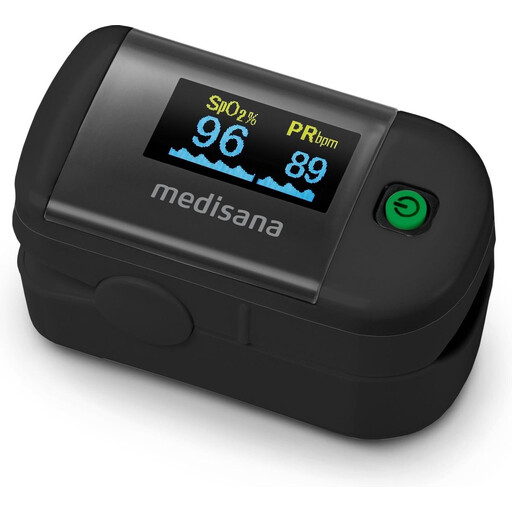
Why this fits the profile: This compact model measures SpO₂ and heart rate with one button and weighs, according to the product specifications, 53 grams. That makes it useful at home, on the go or while travelling.
The product is not a smartwatch with unnecessary features and has a clearly defined measurement purpose. Batteries, lanyard and instructions are included.
SpO₂ range of 70–100%, pulse range of 30–235 beats per minute and display brightness in 10 levels.
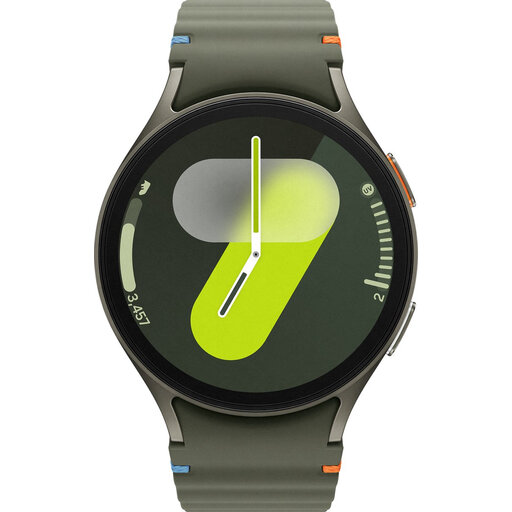
Why this fits the profile: For those who want to combine health features with notifications, GPS, contactless payments and sports tracking in one wearable.
Compatibility is clearly stated: Android 11 or higher. Check this before purchase and do not use the health features for medical diagnosis.
1.5-inch OLED display, Bluetooth 5.3, GPS, sleep monitor, heart rate sensor and stated battery life of up to 40 hours.
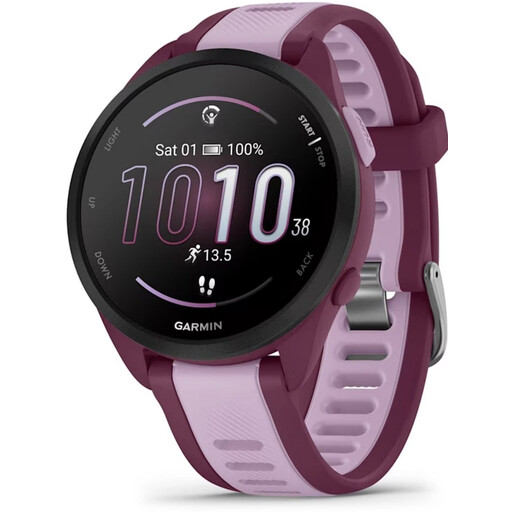
Why this fits the profile: Designed for runners who want to combine GPS, heart rate, sleep, recovery data and music without a phone.
The features are mainly focused on sport. That means you’re less likely to pay for health options you won’t use.
AMOLED display, standalone GPS, music storage, 5 ATM water resistance and a stated weight of 39 grams.
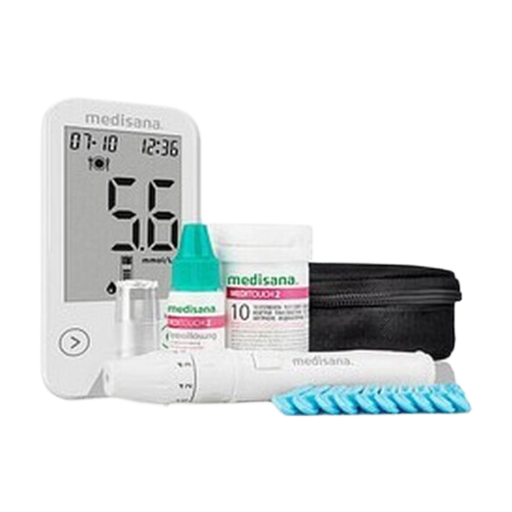
Why this fits the profile: The starter kit is aimed at users who want to start blood glucose measurements straight away and receive accessories in one package.
The mmol/L version prevents you from choosing the wrong measurement unit. Always check that new strips are compatible with the MediTouch2.
Starter kit with meter, test strips, lancets and lancing device; memory function and data transfer via USB and compatible software.
We’ve put together a full, up-to-date list of products that fully meet these strict selection criteria and current European safety regulations.
That depends on the value you want to track. For blood pressure, choose a blood pressure monitor with a suitable cuff. For glucose, use a glucose meter with compatible strips and lancets. A pulse oximeter is designed for SpO₂ and pulse measurements. A smartwatch or fitness tracker is mainly suitable for trends in activity, heart rate and sleep.
The lifespan varies by product and use. Batteries, sensors, cuffs and test strips each have their own replacement schedule. Check the warranty, the lifespan of accessories and the expiry date of strips. Store glucose supplies according to the manufacturer’s instructions and do not use damaged or expired parts.
A one-off meter can have relatively low running costs, especially with a pulse oximeter or blood pressure monitor. With a diabetes test kit, strips and lancets are ongoing costs. With wearables, app features or extra insights may require a subscription. So compare the total cost over the period you intend to use the device, not just the price on the product page.
