
Vandaag of morgen in huis

Kwaliteit gegarandeerd

Welkomstaanbiedingen ontgrendelen: GRATIS bezorging | Tot 80% korting | Gratis 30 dagen JoyPlus-proefperiode
Download de app
Would you like to monitor your blood pressure, blood glucose, oxygen saturation, heart rate, sleep or daily activity at home? You’ll soon find yourself choosing between dozens of health-monitoring devices. The difference between a useful purchase and a disappointing one isn’t just about the price. Compatibility, consumables and the way measurements are taken all play a major part in whether a device remains practical in everyday use.
For example, a smartwatch can combine many functions, but that doesn’t automatically make it suitable for medical decisions. A low-cost glucose meter may seem appealing, but the compatible test strips could become the biggest expense over time. Use the points below to compare products based on verifiable features rather than marketing claims.
A smartwatch or activity tracker may list heart rate, blood pressure, SpO₂, sleep and stress all in one overview. That doesn’t mean every function uses the same measurement method or offers the same level of reliability. Check:
For example, the Samsung Galaxy Watch7 product information lists a BioActive sensor, heart-rate monitoring, a blood-pressure function, an oximeter and sleep monitoring. At the same time, the manufacturer warns that its health functions are not medical devices. Don’t use this type of data to self-diagnose or adjust your medication.
With a blood-pressure monitor, a suitable cuff and batteries are important. With a glucose meter, you’ll need compatible test strips and lancets. Check what’s included in the box and make sure consumables will still be available when you need replacements.
A test strip is not universal, either. The Sinocare Safe AQ Pro I uses specific Safe AQ Pro I strips. According to the product information, the Yuwell 710 also only accepts strips for the same model. This means a low purchase price tells you little unless you also factor in the cost of each future measurement.
A blood-pressure monitor, glucose meter or pulse oximeter provides an indication based on a particular measurement method. Cold fingers, movement, talking, incorrect posture or an incorrectly fitted cuff can affect the result. If your readings remain unusual or you’re concerned, contact a healthcare professional. A device for home use is not a substitute for medical assessment.
A upper-arm blood-pressure monitor is generally the best choice if you want to measure regularly. Check that the cuff fits your arm circumference. The AILE blood-pressure monitor has a cuff for 22 to 42 cm and stores up to 198 readings, divided between two users. The YE670A lists a range of 22 to 45 cm, two user memories with 99 readings each and an average of the last three readings.
Also look for:
Measure while seated, after resting for a few minutes, with the cuff on your bare upper arm and your arm at heart level. Always follow the instructions for the specific model.
For use in the Netherlands, mmol/L is the relevant unit of measurement. Check this before buying so you don’t choose a model with an unsuitable setting. Also look at the amount of blood required, the measurement time and the number of strips included.
The Sinocare Safe AQ Smart specifies a blood sample of 0.6 μL, a result within five seconds and a pack containing 50 test strips and 50 lancets. The Medisana MediTouch 2 Starter Kit works in mmol/L and, according to the product information, offers storage and transfer via USB and an app. This is useful if you want to track your readings over a longer period.
Claims about improved accuracy or resistance to interference come from the manufacturer’s product information. Don’t regard them as personal medical advice. Only use strips intended for your meter, and pay attention to the expiry date and storage instructions.
A pulse oximeter, also known as an oxygen monitor, generally measures SpO₂ and heart rate using a finger clip. The Medisana PM 100 lists an SpO₂ range of 70 to 100 per cent, a pulse range of 30 to 235 beats per minute and a display with adjustable brightness.
Check the following before buying:
The Treesmile GX5 lists a rotating screen and adjustable backlighting. According to the product information, nail varnish, artificial nails and cold fingers can affect the measurement. The displayed values are for reference and do not constitute a diagnosis.
A smartwatch, activity tracker, heart-rate monitor or sleep monitor is mainly suitable for tracking daily trends and sports data. Check compatibility with your phone. According to the product specifications, the Samsung Galaxy Watch7 works with Android 11 or later. The Fitbit Inspire 3 supports Android and iOS and lists a battery life of up to ten days, depending on use.
Also consider:
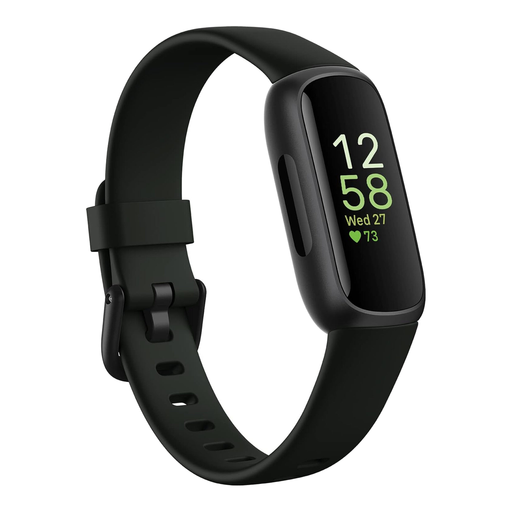
Why it suits this profile: This lightweight fitness tracker focuses on steps, distance, heart rate, sleep and daily activity. It works with Android and iOS and uses GPS via your smartphone.
Its features and compatibility are clearly described. However, bear in mind that additional insights may require an optional Fitbit Premium subscription.
AMOLED touchscreen, water resistance up to 5 ATM according to the product specifications, and a stated battery life of up to ten days.
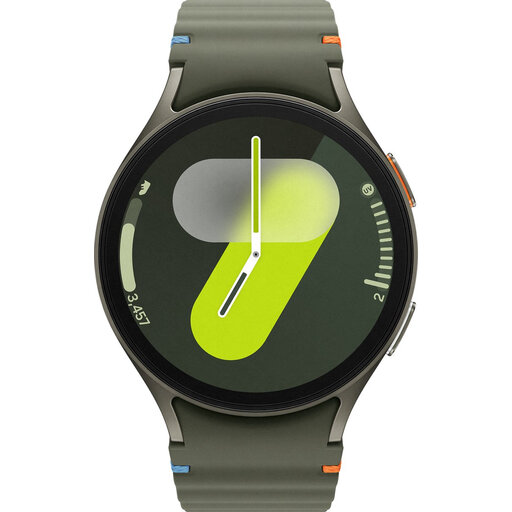
Why it suits this profile: Suitable for anyone who wants to combine sport, notifications, navigation and health features in a single device.
The product specifications list Android 11 or later as a requirement. Check this before buying and don’t treat the health features as medical measurements.
1.5-inch OLED display, Bluetooth 5.3, dual GPS and a stated battery capacity for up to approximately 40 hours of use.
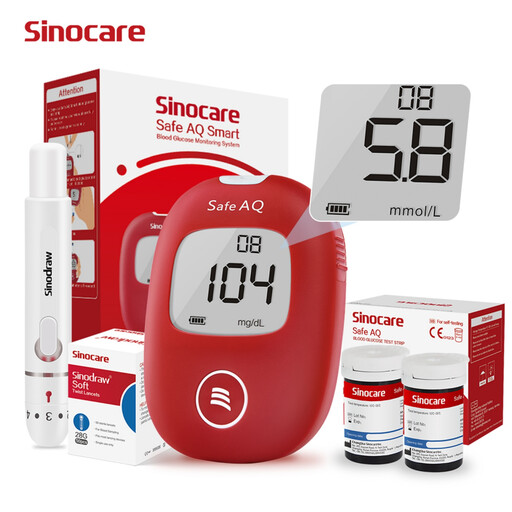
Why it suits this profile: This practical diabetes testing kit is designed for users who want to measure their glucose regularly and need testing supplies readily available.
The packaging lists 50 strips and 50 lancets. Only use Safe AQ Smart strips and check their expiry after opening.
No manual coding according to the product description, a stated measurement time of five seconds and a lancing device with adjustable penetration depth.
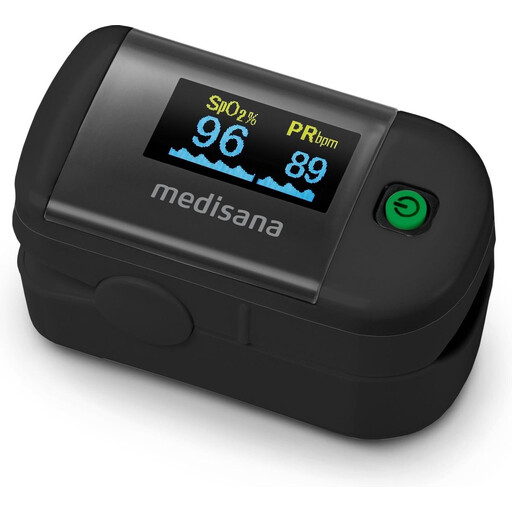
Why it suits this profile: A compact oxygen monitor for anyone who wants to check SpO₂ and pulse rate quickly at home or on the go, without a smartphone app.
The product information clearly states that this is for wellness monitoring, not a diagnostic tool. Use it under the specified conditions.
One-button operation, adjustable brightness with ten levels, automatic switch-off and batteries included in the package.
We’ve put together a complete, up-to-date list of products that fully meet these strict selection criteria and the applicable European safety regulations.
That depends on what you want to track. A blood-pressure monitor is designed for blood pressure and pulse rate, a glucose meter for blood glucose, and a pulse oximeter for SpO₂ and heart rate. A smartwatch or fitness tracker is mainly suitable for activity, sleep and sports trends. Always check whether the device is intended for wellness monitoring or medical use.
Lifespan varies from one device to another. Batteries, charging cycles, storage and maintenance all play a part. With glucose meters, the shelf life and availability of test strips are particularly important. A smartwatch may last longer technically, but app support and compatibility with your phone can change over time.
In addition to the purchase price, you may need to account for batteries, charging accessories, test strips, lancets and paid app features. For a glucose meter, calculate the cost per measurement based on the strips and lancets. For wearables, check whether subscription features are available. This allows you to compare total running costs rather than just the price on the label.
