
Vandaag of morgen in huis

Kwaliteit gegarandeerd

Welkomstaanbiedingen ontgrendelen: GRATIS bezorging | Tot 80% korting | Gratis 30 dagen JoyPlus-proefperiode
Download de app
If you regularly cycle, walk, exercise or travel, you’ll often need several types of headwear for outdoor activities. A cycle helmet protects you when riding, while a baseball cap mainly offers shade and everyday comfort. For cold days, a winter hat or beanie is more practical.
Yet many products look similar. Marketing terms like “all-weather”, “extra protection” or “breathable” only mean something when the accompanying specifications are clear. This guide will help you avoid a bad purchase and compare products effectively on fit, material, ventilation and intended use.
An adjustable cap or unisex headwear isn’t automatically suitable for every head shape. A cap that’s too loose will shift in the wind or when you move. A winter hat that’s too tight can feel uncomfortable during prolonged wear.
So, measure your head circumference with a tape measure just above your eyebrows and around the widest part of the back of your head. Compare that measurement with the product’s size guide. With a cycle helmet, pay extra attention to the range in centimetres, not just the S, M or L label.
A baseball cap, sports cap, sun visor with UV protection or waterproof outdoor hat can offer protection against sun, rain or wind. However, such a product does not replace a cycle helmet. For cycling, skateboarding or similar activities, you need a helmet designed for that purpose.
Check the stated standards and usage warnings on a helmet. Product information may mention CE, CPSC and ASTM, for example. Also check that the helmet fits snugly and that the chin strap is fastened correctly.
A thick beanie can be pleasant during a winter walk, but may become too warm during intense exercise. A lightweight cap can be comfortable in summer, but offers little protection against prolonged rain. So, don’t just look at the appearance, but also consider:
An adjustable cap with a buckle, elastic band or drawcord can be practical when several people use the headwear. A Flexfit model, for example, has an elastic band and is available in different sizes. Always check the actual size range.
With a cycle helmet, a dial at the back and adjustable side straps are useful. These allow you to fine-tune the helmet so it doesn’t shift while you’re cycling. A helmet should sit securely but not create pressure points.
For a mountain bike helmet or adult cycle helmet, ventilation openings are important on longer rides. The DKONI HS-158 has 20 ventilation openings according to the product information, plus a removable, washable inner lining. The built-in lighting works via USB charging.
The DKONI HS-061 mountain bike helmet weighs 380 grams according to the product description and has 17 ventilation openings. The removable peak can help against sun, rain, mud and branches. Weight and ventilation are especially relevant when you’re cycling longer distances.
With a sun visor with UV protection or a bucket hat, the brim width is a more important point of comparison than just the term “sunblock”. The Beneunder UL56924 has a brim of 13.5 cm according to the product information and a stated UPF 50+ rating. The Beneunder AL500 has a wider, all-round brim of 16 cm and a reversible design.
Claims about UV blocking come from the brand’s product information. So, treat UPF as a product specification and, for prolonged sun exposure, also check the coverage of your neck, ears and face.
Polyester generally dries quickly and is often used in sports caps, cycle helmets and outdoor hats. Cotton can feel pleasant for everyday use, but needs more attention when damp. Acrylic is widely used for winter hats and beanies because of its soft, elastic structure.
Always follow the care label. A helmet is usually cleaned with a damp cloth; the inner lining can sometimes be removed and washed. Caps with a decorative logo or metal detail are often better suited to spot cleaning than the washing machine.
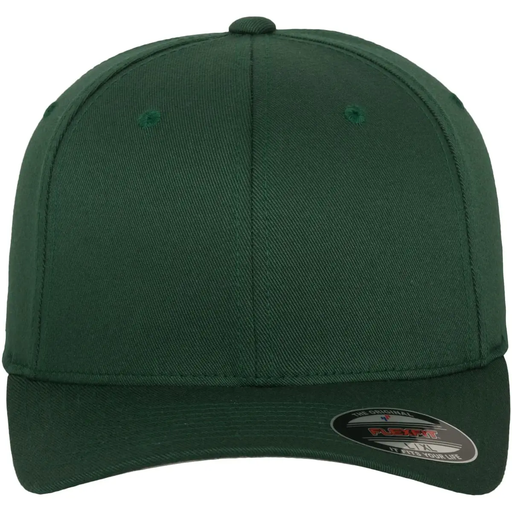
Why this fits the profile: This sports cap is suitable for everyday use, walking and light outdoor activities. The S/M size and elastic band offer a practical starting point for anyone looking for a baseball cap without a loose buckle.
The sizing ranges from 53 to 65 cm, so you don’t have to rely solely on “one size”. Embroidered ventilation openings help reduce a stuffy feeling.
Elastic Flexfit band, curved peak and composition of 63% polyester, 34% cotton and 3% elastane.
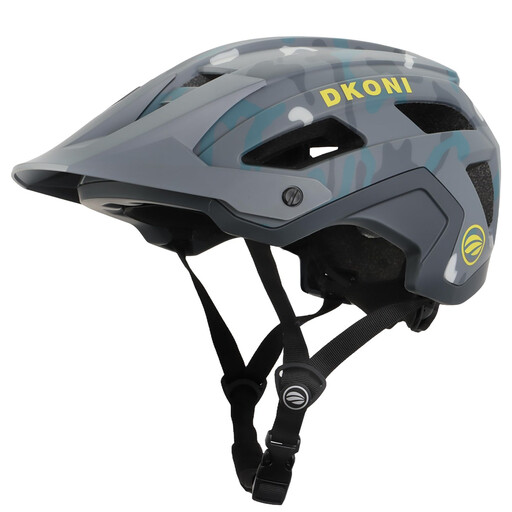
Why this fits the profile: This mountain bike helmet suits adults who regularly go on longer cycling trips and value a peak, ventilation and extra coverage at the sides and back.
The size information states 56-61 cm for size L. The chin strap must be securely fastened before every ride, according to the product information.
PC outer shell with EPS inner layer, 17 ventilation openings, removable ABS peak and washable mesh lining.
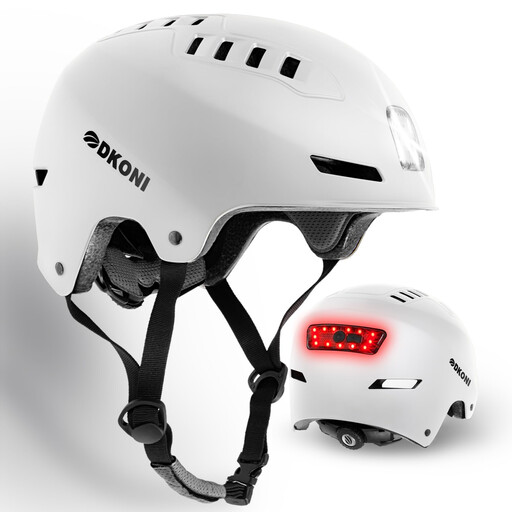
Why this fits the profile: This adult cycle helmet is aimed at commuting, city cycling and skateboarding. The cycle helmet with LED lighting appeals to users who want extra visibility in their routine.
The helmet has a dial, adjustable side straps and specific sizes: S 48-55 cm and M 52-58 cm. After a significant impact, the helmet must be replaced according to the product warning.
Five white LEDs at the front, thirteen red LEDs at the back, four light modes, USB charging and 20 ventilation openings.
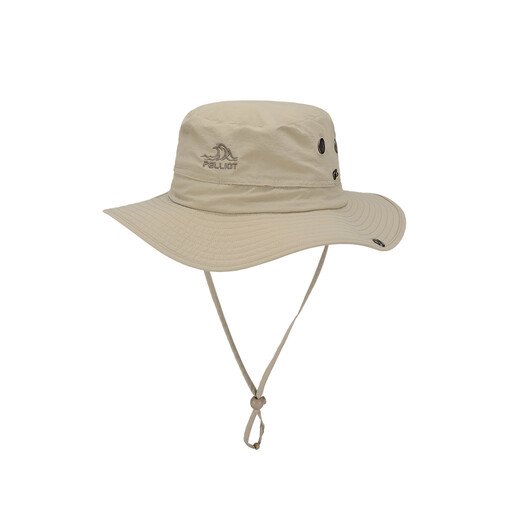
Why this fits the profile: A practical choice for walking, camping, travelling and fishing. The wide brim and drawcord are useful in sun and changing wind conditions.
The product information mentions an all-round brim, adjustable drawcord and a sweatband. The UPF 50+ claim comes from the brand and should be read as a product specification.
Unisex design, moisture-wicking sweatband, foldable brim and care according to a gentle machine wash programme.
We’ve put together a full, up-to-date list of products that fully meet these strict selection criteria and current European safety regulations.
Measure your head circumference in centimetres and compare it with the helmet’s size guide. Adjust the dial and chin strap while the helmet sits straight and stable on your head. A helmet should not shift forwards, backwards or sideways when you move your head.
The lifespan depends on use, storage and any impacts. Replace a helmet after a significant impact, even if no visible damage is apparent on the outside. Also check the shell, buckle, straps and inner lining regularly. Store the helmet away from high temperatures and solvents.
Choose a waterproof outdoor hat or bucket hat with a wide brim, adjustable drawcord and quick-drying material. For sunny days, look for a stated UPF rating. Always check the product information for brand claims and see whether the brim also adequately covers your neck and ears.
