If you usually have lessons at the same computer and want easy access to your microphone controls, a wired USB headset is a practical option. If your main priorities are hearing less background noise or being able to move around, a better-fitting or wireless headset may suit you better. Check the microphone, fit, connector and connection for each model: ANC for what you hear is different from noise reduction on the microphone, and no specification can guarantee how clearly you’ll be heard in your room.
Who is this relevant for?
Speaking while housemates are around
You practise out loud and want your tutor to hear your pronunciation, not the conversations going on around you. A positionable microphone and easy-to-reach mute controls are useful features to compare; Logitech and Trust describe these on various headsets.
Listening in a busy room
You miss words or corrections because you can still hear what’s going on around you. Fit and noise isolation around your ears are worth paying extra attention to; Jabra describes the Evolve2 40 SE as having isolating ear cushions.
Taking lessons while moving around
You don’t want to be tied to your desk or a cable during lessons, and you’re happy to pair and charge your headset. Compare the wireless headset’s connection with your lesson device; Jabra describes the Evolve2 55 as having ANC and microphones.
What should you consider when choosing?
Wired USB headset with boom microphone
Choose this option if: you usually have lessons at the same computer and value a microphone close to your mouth and easy-to-reach mute controls. Check whether the USB-A or USB-C version will fit an available port.
Trade-off: the cable limits how far you can move. Microphone noise reduction is designed to reduce the sound others hear through your microphone; it doesn’t automatically reduce the sound you hear.
Headset with noise-isolating ear cushions
Choose this option if: conversations in the room are your main distraction while you’re listening to pronunciation and feedback. Compare the style and check how the ear cushions fit you.
Trade-off: passive isolation depends on the fit and doesn’t mean every voice will disappear. Assess the microphone separately.
Wireless headset with ANC and a microphone
Choose this option if: you want to move away from your desk during lessons and reduce the background noise you hear. Check that the connection works with your device and lesson platform.
Trade-off: you’ll need to pair and charge the headset. ANC for your ears and noise reduction on the microphone serve different purposes; test both if you can.
The percentages give a broad indication of which priorities may matter most to consumers in this particular lesson scenario; they are not a breakdown of the Dutch market.
| What matters |
What should you check? |
Who is this important for? |
| Clear speech |
Check the microphone position and mute controls. Make a test recording with normal room noise before your lesson. |
When I practise out loud while my housemates are talking, I want my tutor to be able to follow my pronunciation clearly. Around 36% of consumers prioritise being heard clearly by others. |
| Hearing your tutor clearly |
Compare the style and fit. Distinguish passive isolation from ANC. |
When conversations in the room make me miss words or corrections, I want to reduce the noise reaching my ears. Around 27% of consumers give undisturbed listening top priority. |
| Connection and controls |
Check the exact USB version and make sure you have a free port. Then select and test the microphone and speaker in your lesson app. |
When I want to join a lesson on my computer without any hassle, I want to be sure the connector fits and I can mute quickly. Around 19% of consumers prioritise compatibility and easy controls. |
| Comfort and freedom of movement |
Decide whether you want to move around during lessons. If you’re going wireless, check the connection with your lesson device. |
If I’m sitting for a long time or want to get up during a lesson, comfort and room to move matter a lot to me. Around 18% of consumers prioritise comfort or freedom of movement. |
Common buying mistakes
-
Assuming ‘noise cancelling’ always reduces the same sounds
ANC targets the sounds you hear; microphone noise reduction targets the sounds others hear through your microphone. One feature doesn’t replace the other.
First work out whether you can hear your housemates or whether your tutor can hear them. Then check which feature you need and test your speech in the lesson app.
-
Relying on the model name alone
The Logitech H390 is available in USB-A and USB-C versions. Choosing the wrong connector could prevent you from using the headset with your lesson device.
Compare the exact version with the available ports on your computer before ordering.
-
Assuming a retailer’s two-year guarantee is the full extent of your legal protection
According to the Dutch government, the Netherlands has no fixed statutory guarantee period. You can expect a product to last a reasonable time, depending on what you could reasonably expect from it.
Keep your proof of purchase and contact the retailer if something goes wrong. Consider any additional guarantee separately from your statutory rights.
Brands to compare
Logitech
The H390 is a wired computer headset for anyone looking for a positionable microphone and controls on the cable.
- Logitech lists a noise-cancelling microphone, mute controls and a 1.9 m cable.
- Check whether you’re choosing the USB-A or USB-C version. The product specifications don’t prove how clearly you’ll be heard with housemates around.
Trust
The Ayda USB-ENC is designed for computer use, with an on-ear fit and a flip-up microphone.
- Trust lists on-ear volume controls and an adjustable headband.
- The claim about background noise reduction comes from the manufacturer. Check the connector on the version you choose.
Jabra
According to Jabra, the wired Evolve2 40 SE offers passive isolation, while the wireless Evolve2 55 adds ANC. These are different options, not a proven ranking.
- Jabra describes the Evolve2 40 SE as having isolating ear cushions, and the Evolve2 55 as having ANC and noise-cancelling microphones.
- These are manufacturer descriptions, not a guarantee of how the headset will perform in your room. Also check whether you’re choosing the mono, stereo or connection variant.
Headsets for online language lessons
These wired USB headsets are designed for lessons on a computer. Focus your comparison on the microphone controls, fit and connector, and check they’re compatible with your lesson device.
 No image available
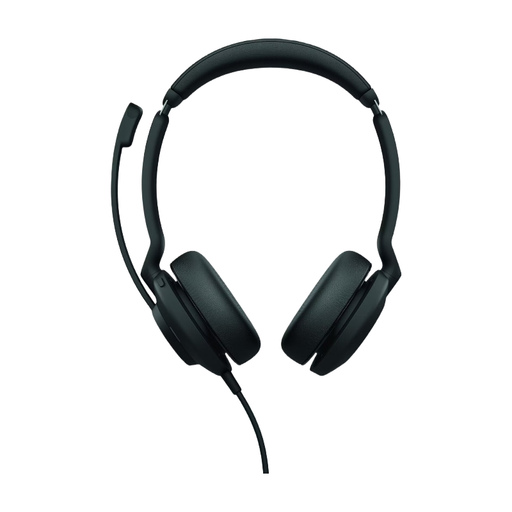
Jabra Evolve2 30 SE
A wired USB headset for anyone who wants to speak and listen during lessons without a wireless connection.
The product information lists two integrated microphones, USB-A, volume controls and mute. USB-C adapter compatibility is also mentioned; check that the connector works with your device.
View at Joybuy
 No image available
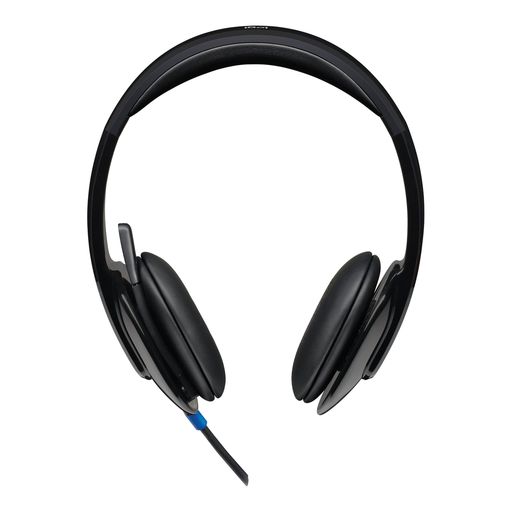
Logitech H540 Wired
A wired computer headset to consider if you want a USB-A connection and controls on the headset.
The product information lists a noise-cancelling microphone, mute and volume controls, and compatibility with PC or Mac. Check the connector on your lesson device.
View at Joybuy
 No image available
Logitech PC 960 USB
A wired USB headset to consider if you want an adjustable boom microphone and cable controls while speaking.
The product information lists a boom microphone that can be swivelled out of the way, mute controls and a connection to a computer’s USB port.
View at Joybuy
 No image available
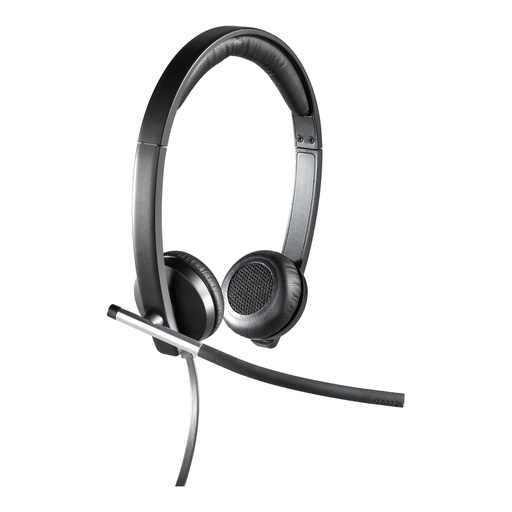
Logitech H650e Stereo
A wired USB stereo headset to consider for calls and lessons on a computer.
The product information lists in-line volume controls, a noise-isolating microphone and acoustic echo cancellation. These features alone don’t tell you how the headset will perform in your room.
View at Joybuy
 No image available
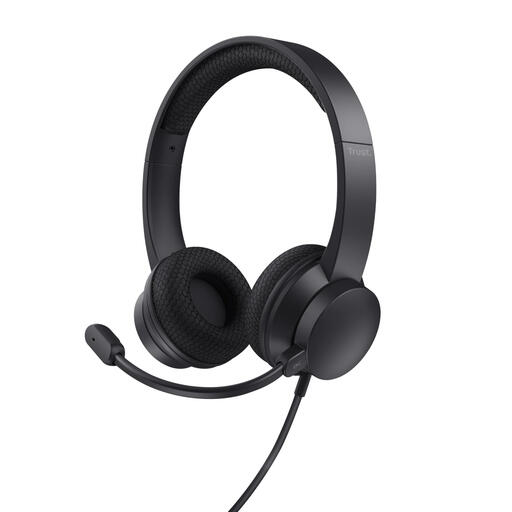
Trust Ayda USB Type-A
A wired headset to consider if you want to be able to mute the microphone quickly during an online lesson.
The product information lists USB-A with a USB-C adapter cable, volume controls on the earcup and a microphone that flips up to mute. Check that the connector works with your computer.
View at Joybuy
Frequently asked questions
Does ANC help your tutor hear you more clearly?
Not necessarily. ANC targets the sounds you hear; microphone noise reduction targets what others hear through your microphone. Assess and test these features separately.
What should I test before my first online language lesson?
Test both the speaker and microphone in your lesson app. Zoom has separate tests for these; also say a few practice sentences with normal background noise in the room, and check that mute and unmute work.
What should I do if my headset or microphone stops working during a lesson?
First check the connection and mute setting, then select the microphone and speaker you want to use in your lesson app. If there’s an echo, a second active audio connection or a nearby speaker could also be causing it.
Does the Netherlands have a standard statutory guarantee of exactly two years?
No. According to the Dutch government, the Netherlands has no fixed statutory guarantee period; you’re entitled to a product that works properly for as long as you could reasonably expect it to. If a product is faulty, contact the retailer.
Can I return a headset bought online?
For most consumer purchases made at a distance, you have a statutory 14-day cooling-off period, according to the European Union’s Your Europe website. Exceptions may apply, so check the terms and conditions for your purchase.


