
The speaker in a noisy space
You regularly speak in team meetings and want to know how your voice and background noise sound to others. Consider the microphone features separately from ANC, which affects what you hear yourself.


If you usually stay by your laptop, a wired headset could be a good fit, provided the connection and cable routing work with your desk. If you want to move around during meetings, consider a wireless model. Then think about how your voice sounds to other participants, whether the headset works with your meeting app and how comfortable it feels. ANC for your own ears is different from reducing background noise picked up by the microphone.
You regularly speak in team meetings and want to know how your voice and background noise sound to others. Consider the microphone features separately from ANC, which affects what you hear yourself.
You change position or move around at a sit-stand desk. Compare a cable that leaves enough slack at both desk heights with wireless use, where you’ll need to manage the connection and battery.
You wear your headset for extended periods and want to weigh up fit, adjustability, ear cushions and easy-to-reach mute controls. Comfort is personal, so what feels right depends on you.
Choose based on what you need during meetings: clear speech, freedom to move, the right connection and controls, wearing comfort or after-sales support.
A good fit if: you usually stay at your computer and don’t want to manage a headset battery.
Keep in mind: the cable limits how far you can move. Check the connection and cable routing with the desk both low and raised.
A good fit if: you regularly change position or move around during meetings and stay within the usable connection range.
Keep in mind: you’ll need to manage the connection and battery. Zoom Support warns that other participants may experience lower microphone quality with Bluetooth headphones, so test the connection you plan to use.
| What to consider | What to look for | Who this matters to |
|---|---|---|
| Microphone clarity | Check the microphone position, mute controls and microphone input in your meeting app. Make a test recording in the room where you hold meetings. | When I speak from a noisy room, I want colleagues to hear my voice clearly, not just to hear less background noise in my own ears; around 25% of consumers put microphone clarity first. |
| Freedom to move | Measure the cable routing with the desk both low and raised. Compare this with the distance you want to cover between yourself and the computer wirelessly. | When my desk rises, I want to move without the cable pulling; around 25% of consumers prioritise freedom to move. |
| Connection and app controls | Check the exact USB or Bluetooth version and the controls you need. Microsoft describes mute synchronisation for certified Bluetooth devices in the Teams desktop client. | I want a model that connects to my computer and supports the meeting controls I need; around 19% of consumers prioritise connection and app controls. |
| Wearing comfort | Compare mono and stereo models, and assess the fit, adjustability and ear cushions for yourself. A specification can’t predict how a headset will feel on you. | When I’m in meetings for long periods, I want a fit that feels comfortable to me; around 19% of consumers prioritise long-term wearing comfort. |
| Purchase and after-sales support | Compare the features of the exact model with what you need. Before buying online, check who the seller is and review the returns policy and any additional support available. | I don’t want to pay for features I won’t use, and I want to know in advance who to contact for support; around 12% of consumers prioritise purchase and after-sales support. |
ANC affects what you hear; microphone noise reduction is about the sound sent to the other participants. One doesn’t automatically tell you anything about the other.
Check both features separately and test how your voice sounds to others in the room where you hold meetings.
A product range may include different USB connections, wearing styles and platform versions. An audio connection that works doesn’t automatically mean all the meeting controls you want will work too.
Compare the full model variant, connection and app features you need before choosing a model.
The cable route changes when you adjust the desk. The stated cable length alone doesn’t show how much room your set-up will allow.
Measure the route while sitting and standing, and leave enough slack to move your head.
A headset is designed for the person wearing it. If several colleagues are speaking in the same place, you’ll need to work out separately how their voices will reach remote participants.
Agree in advance who needs to speak in the room, and choose meeting audio designed for multiple speakers.
With several people speaking in the room, you may need separate shared meeting audio.
Logitech offers wired models including the H390 and Zone Wired. The right choice depends on the version and how it connects to your workstation.
The wired Evolve2 40 SE is available in different wearing styles, USB and platform versions. Check which variant works with your computer and meeting app.
According to HP Poly, the Blackwire 3300 series includes mono and stereo versions; the connection varies by model.
EPOS describes the IMPACT 400 series as wired USB headsets for calls in shared working environments.
This selection includes wired USB headsets and wireless personal headsets for team meetings. For wireless models, check that the exact version meets the applicable requirements and carries the required CE marking.
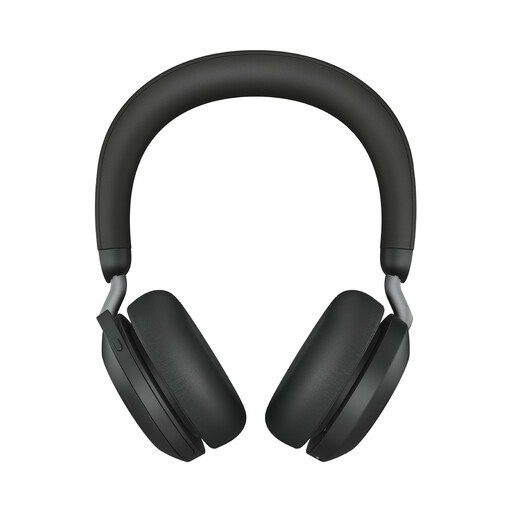 Image unavailable
A wireless option if you want to move around during meetings. Check which connection and Teams controls come with this version, and whether the exact wireless model meets the applicable requirements.
 Image unavailable
A wired USB option if you stay at your computer and don’t want to manage a headset battery. The cable keeps you connected to the computer; check that it reaches comfortably at both desk heights.
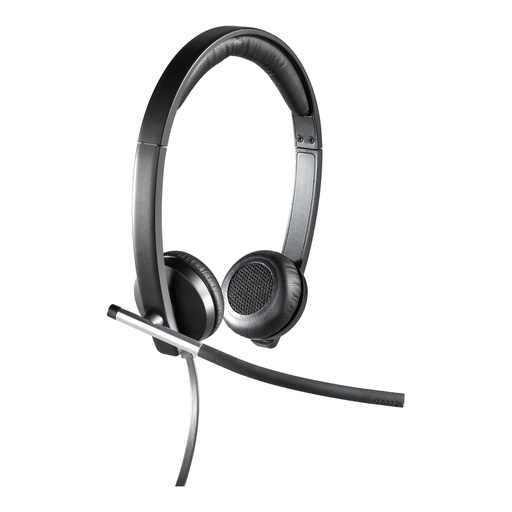 Image unavailable
A wired stereo option for computer calls. The cable keeps you connected to your computer; check that the connection and cable routing suit your workstation.
 Image unavailable
A wired USB option if you want to connect to a computer without managing a battery. The cable limits how far you can move, so measure the route around your adjustable desk.
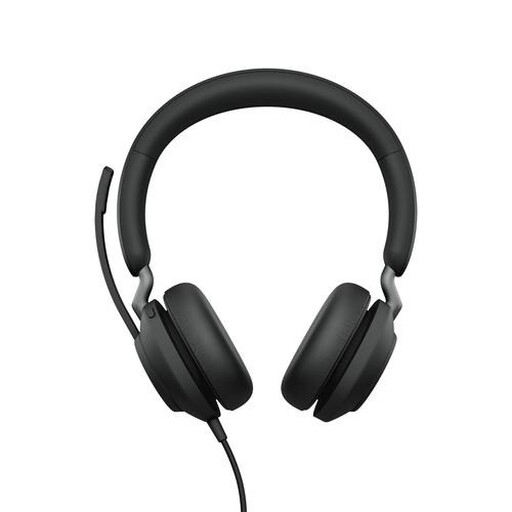 Image unavailable
A wireless option if you want to move around during meetings and prefer a mono model. Check the connection, the Teams controls you need and whether the exact wireless version meets the applicable requirements.
Not just to use audio. If you need physical Teams controls or synchronisation of the mute status, check the certification of the exact headset and connection method. Microsoft describes these features for certified Bluetooth devices in the Teams desktop client.
Connect your headset, select your preferred microphone and speaker separately in Zoom, then test the sound. Zoom Support warns that other participants may experience lower microphone quality with Bluetooth headphones, so test the connection you’re actually going to use.
No. The Dutch Occupational Health and Safety Portal advises varying your posture when working with a screen. Adjust your desk and screen when you change position; this is workplace guidance, not a headset feature.
For an online consumer purchase, you generally have a statutory cooling-off period of up to 14 days after delivery, subject to exceptions; ACM ConsuWijzer explains the conditions. The statutory guarantee depends on what you can reasonably expect from the product and isn’t simply a fixed two-year period. If a product is faulty, contact the seller.
Wireless radio equipment placed on the market in the Netherlands must meet the applicable European requirements and carry the required CE marking, as explained by the Dutch Authority for Digital Infrastructure. This doesn’t mean you have to choose a wireless headset for team meetings, and it doesn’t tell you how clearly the microphone will sound in your room.