
Presenter who listens back to recordings
You practise at a computer and want to assess your voice, pace and clarity using saved recordings. Microsoft Support and Audacity explain how to select a microphone or recording source.


For a seminar presentation that you want to record and listen back to on a computer, choose a headset with a connection that suits your computer and a microphone you can position securely. Before doing a full practice run, make a short test recording: a claim about noise during calls does not prove how your voice will sound in your room.
You practise at a computer and want to assess your voice, pace and clarity using saved recordings. Microsoft Support and Audacity explain how to select a microphone or recording source.
You want to hear how your voice sounds with background noise around you. Assess this with a test recording in the room where you practise, rather than relying solely on a noise-cancellation claim.
You wear the headset for a longer practice run and want to be comfortable listening back afterwards. Comfort is also a consideration in the Consumers’ Association’s testing method.
First, check that the headset can connect to your computer and that your recording app is using the right microphone. Then assess the recording in the same room, and consider the fit if you’re practising a full presentation.
| What to consider | What to look for | Who should pay particular attention? |
|---|---|---|
| Voice recording | Select the headset microphone as the input and make a short test recording to listen back to. | If I listen back to my presentation, I want to be able to assess my voice and how clear it is. Around 33% of consumers prioritise recording quality. |
| Connection and input | Compare the connection on the exact version with your computer’s port, and select the right microphone in your recording app. | I need the headset to connect to my computer, and the recording app to use the microphone I intend to use. Around 27% of consumers prioritise connection and input. |
| Background noise | Make the test recording in the same room and assess the recorded sound separately from any noise-cancellation claims. | When I practise in a shared space, I want to assess whether my voice sounds good when I listen back there. Around 20% of consumers prioritise background noise. |
| Comfort during longer practice sessions | Consider the fit and pressure on your ears; try the headset during a longer practice session. | If I practise a full presentation, I want the headset to feel comfortable to wear and to be able to listen back afterwards. Around 20% of consumers prioritise long-wear comfort. |
A manufacturer’s claim about background noise during calls does not show how a full presentation will sound when recorded in your room.
Record a few sentences in your practice room and listen back before doing a full run-through.
A model range can include different product numbers, connections and wearing styles. The range name alone does not tell you which version you’ll get.
Compare the product number, connection, wearing style and any included adapter with the version you have chosen. If the connection is unsuitable, you may need a compatible adapter or a different version.
Shure describes the SM35 as being used with a wireless bodypack; for wired use, Shure specifies separate equipment.
For direct connection to a computer, choose a suitable computer headset or check the complete signal chain for a stage microphone in advance.
A stage microphone may require additional equipment, such as a suitable preamp, for the intended connection.
The H390 is a USB computer headset for speaking at a computer and listening back to recordings. When buying, check the exact USB version.
The Ayda USB headset for PC is an option to compare if you want a flip-up microphone.
The Evolve2 30 SE range includes different wearing styles and USB versions, which you can compare by product number.
The wired Blackwire 3200 range is worth considering if you want to compare mono and stereo wearing styles.
The PC 8 USB is a stereo computer headset with in-line controls for a wired set-up.
These Joybuy product picks are wired headsets for use with a computer. Check that the connection on each version suits your computer, and select the right microphone in your recording app.
 No image available
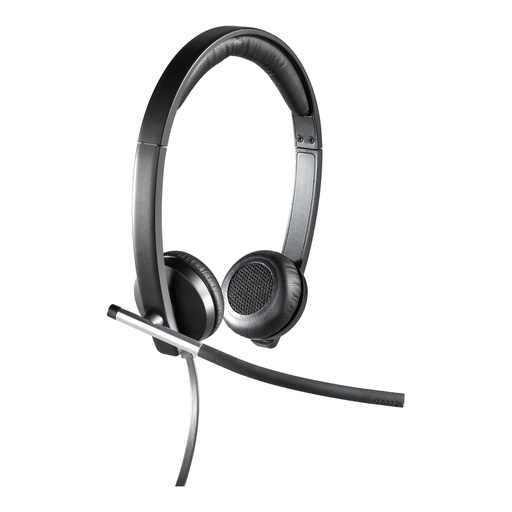
An option for speaking and listening back with a wired computer set-up; check that the connection suits your computer.
The product name specifies USB and a wired version. Select the headset microphone in your recording app and make a test recording.
 No image available
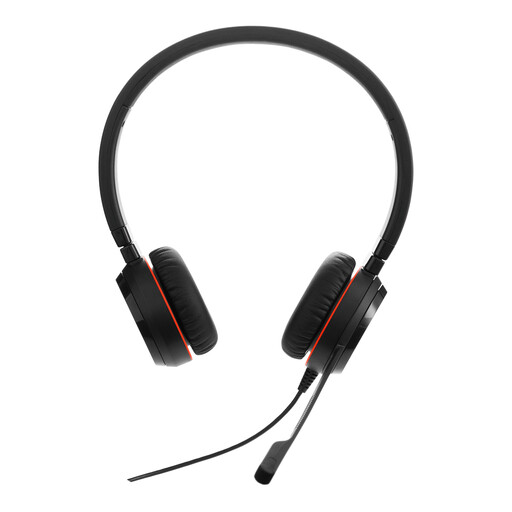
A wired stereo version to consider if you want to listen back in stereo.
Check the computer connection for the exact version and select the right microphone as the input for your recording.
 No image available
A wired USB headset to compare for speaking and listening back at a computer with a compatible port.
Before practising, check that your recording app is using the microphone you intend to use.
 No image available
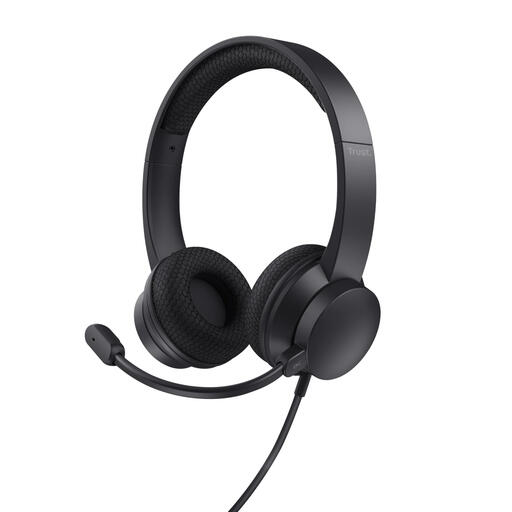
A stereo version to consider for a computer set-up where you also want to listen back to recordings.
Check which connection method applies to this version and whether the necessary components are compatible with your computer.
 No image available
A wired computer headset to compare if the connection on this version suits your set-up.
The product name specifies USB Type-A. Check which connection your computer has and make a test recording in your practice room.
Select the headset as the input in your computer settings and recording software, then make a short test recording. Microsoft Support describes how to test a microphone and listen back; Audacity lets you choose the recording source.
Start with the microphone beside your mouth rather than directly in front of it, then check the result with a test recording. Shure gives this advice for the SM35 to reduce plosive sounds; it is not a specification for a USB headset model.
Choose the right microphone input, make a short test first, then export the recording from your software as a local file. Audacity recommends keeping a WAV or AIFF copy before editing the recording.
According to the Dutch Data Protection Authority, processing carried out solely for personal or household use falls outside the GDPR. Whether a recording featuring other people falls under this exemption depends on its purpose and use; it is not blanket permission to publish recordings or use them professionally.
For a product that does not meet what you could reasonably expect when used normally, ACM ConsuWijzer identifies the seller as your point of contact for the statutory guarantee. Online purchases generally also come with a 14-day cooling-off period after delivery; ACM ConsuWijzer lists exceptions, including certain unsealed hygiene products. Don’t assume that every headset is exempt.