Who is this for?

Speakers who listen back to takes

Recording your full welcome speech on a computer lets you assess your words, transitions and volume in both languages. Logitech and Shure offer guidance on setting up or positioning their microphones. You should also check the connection and make a test recording.

Speakers with long practice sessions

For long takes, how a headset fits you matters too. Compare the style and adjustability; the manufacturer’s description won’t necessarily tell you how comfortable a model will be for you. HP Poly and EPOS describe different headset styles.

Speakers practising moving around on stage

If you want to move around during your speech or rehearse with a PA system, your microphone needs to work with your audio equipment. Shure’s range we reviewed includes both wired headset microphones and a wireless system. For wireless use, check the frequency version too.

What should you look for?

Wired USB computer headset

Choose this option: if you’re recording on a computer and want to listen back to the full take straight away.

Bear in mind: a cable limits your freedom of movement, and a computer headset won’t automatically replicate the audio setup in a venue.

Wired stage headset

Choose this option: if you already have a mixing desk or audio interface and want to practise with a stage setup.

Bear in mind: the connector and available microphone gain need to match the version you choose. According to Shure, the WH20XLR requires more gain than an SM58.

Complete wireless stage system

Choose this option: if moving freely is an important part of your rehearsal and you can use a transmitter and receiver.

Bear in mind: you’ll need to manage the batteries and check that the frequency version is suitable for use in the Netherlands.

What to consider What should you look for? Who is this important for?
Clarity Check whether the microphone boom is adjustable and listen back to a test recording in both languages. Position a stage headset according to the model’s instructions. I mainly want to assess the words and language switches in both languages. Around 36% of consumers rank clarity when listening back as their top priority.
Comfort Compare mono and stereo styles, adjustability and ear cushions. If possible, try the headset during a full take. I wear the headset for long periods and want it to remain comfortable throughout a full take. Around 29% of consumers put comfort first.
Connecting and recording Check the exact port and select the headset as the input device in your recording software. Before you start, check that mute is off and the recording is working. I want to record full takes on my own device without connection or setup problems. Around 21% of consumers prioritise recording compatibility.
Freedom of movement Decide whether you need to move around. With a wired headset, check the connector; for wireless use, check that the frequency version is suitable for the location in the Netherlands. I want to move around while practising or recreate a stage setup. Around 14% of consumers consider freedom of movement their top priority.

Common pitfalls

  • Mistaking a stage headset for a USB computer headset

    The Shure WH20 is available with different connectors. The XLR version requires compatible audio equipment; Shure says it needs more microphone gain than an SM58.

    Before choosing, check the full model version, the input on your recording device and the available microphone gain.

    You may also need a compatible audio interface or mixing desk to use it.

  • Assuming noise cancellation makes a recording suitable for assessing pronunciation

    A manufacturer’s claim that a microphone cancels noise doesn’t prove how your voice, room or recording software will sound.

    Record a short passage in both languages and listen back with the microphone in the position you intend to use.

  • Buying just the microphone when you want to move around wirelessly

    The Shure setup we reviewed uses a separate transmitter and receiver. The frequency version also needs to be suitable for use at your location.

    Check what’s included in the system and make sure the specific frequency version complies with Dutch regulations before choosing a wireless setup.

    A complete wireless system also needs a transmitter, receiver and power supply. Remember to manage the batteries too.

Brands to consider

Logitech

According to Logitech, the H390 is a wired USB computer headset with an adjustable microphone boom and in-line controls.

  • Logitech lists noise cancellation and volume and mute controls.
  • Check whether the version you choose uses USB-A or USB-C. Its stated call features don’t prove that the headset is suitable for assessing pronunciation or for use with a venue’s PA system.

HP Poly

According to HP Poly, the Blackwire 5200 series includes the mono 5210 and stereo 5220 versions.

  • HP Poly lists an adjustable headband, microphone noise cancellation and a range of connection options across the series.
  • Check the connections on the exact version and make sure they’re compatible with your device. A description of comfort isn’t a substitute for trying the fit yourself.

EPOS

According to EPOS, the IMPACT SC 30 USB ML is a single-sided wired USB headset for a computer or softphone.

  • EPOS lists in-line controls, a noise-cancelling microphone and a foam ear cushion.
  • Another SC 30 version won’t necessarily have the same connection, so check the full model name.

Shure

Shure describes the WH20 as an adjustable dynamic headset microphone and also offers the BLX14/PGA31 system for wireless stage use.

  • Shure states that BLX transmitters can run for up to 14 hours on a pair of AA batteries.
  • For computer recording, the stage setup requires compatible audio equipment. For wireless use, check the frequency version; the Dutch Authority for Digital Infrastructure provides the conditions for use in the Netherlands.

Headsets for computer recording

These products are suited to practising speeches on a computer, with both wired and wireless headset options.

Logitech PC 960 USB wired headsets

Logitech PC 960 USB

A wired USB headset option for anyone who wants to record a speech on a computer.

Joybuy
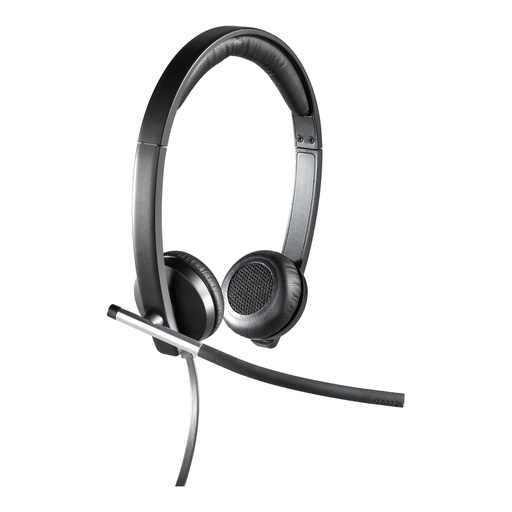
Logitech Headset H650e Stereo Wired

Logitech H650e Stereo Wired

A wired stereo headset for anyone looking for a computer-focused headset to use while practising a speech.

Stereo version.

Joybuy

Logitech H340 USB Headset Black, Wired

Logitech H340 USB Headset Black, Wired

A wired USB headset option for practising on a computer.

The product name specifies USB and a wired version.

Joybuy
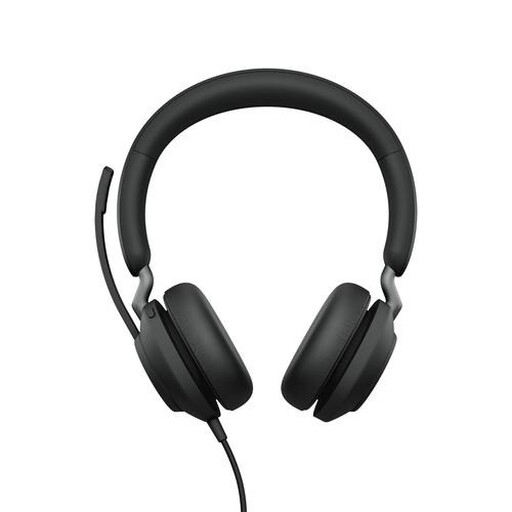
Jabra Evolve2 65 USB-A Black MS Mono

Jabra Evolve2 65 USB-A Black MS Mono

A wireless headset option for anyone who doesn’t want to use a wired headset cable while practising on a computer.

The product name specifies a USB-A version and mono style. Remember that wireless headsets need charging.

Joybuy
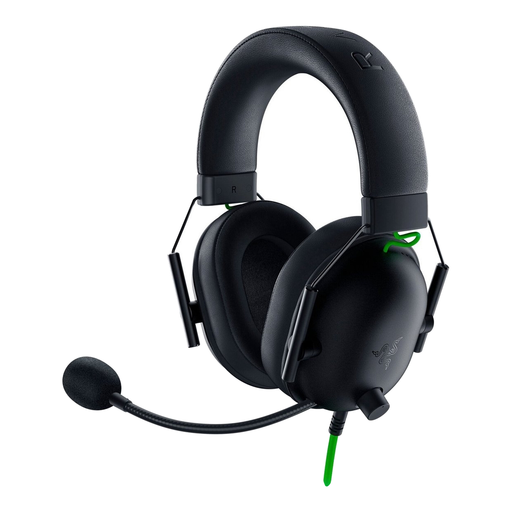
Razer Blackshark V2 X 7.1 Wired Gaming Headset Multi-Platform Esports - Black

Razer Blackshark V2 X 7.1 Wired Gaming Headset Multi-Platform Esports

A wired headset option for anyone who wants to use a headset with a computer while practising.

The product name specifies a wired gaming headset. Check that its connection is compatible with your computer before you buy.

Joybuy

Frequently asked questions

How can you check that the right microphone is recording before a long take?

Select the headset as the input device in your operating system and recording software, check that mute is off, then listen back to a short test recording. For troubleshooting, Logitech recommends checking the microphone settings and default input device, among other things.

Where should you position the microphone boom when speaking?

For the Shure SM35, Shure recommends positioning the microphone at the corner of your mouth, rather than directly in front of it, to reduce plosive sounds. For other models, follow the instructions for the specific headset.

Do you need a licence for a wireless headset microphone in the Netherlands?

Not always. According to the Dutch Authority for Digital Infrastructure, wireless microphones can usually be used without a licence if you use the correct frequency range, although some frequency bands do require a licence. Check the frequency of the specific version before using it.

What can you do if a headset you bought online doesn’t fit properly or develops a fault?

For online consumer purchases in the Netherlands, you usually have a statutory cooling-off period of up to 14 days after delivery; check which exceptions apply. If a product is faulty, the seller must provide a solution, according to the Dutch government. This is separate from any manufacturer’s warranty.
