For long recording sessions as a game character, key things to consider include an adjustable microphone boom, a comfortable fit and connections that work with your recording equipment. A broadcast headset can offer closed-back monitoring and a directional microphone, but may need a suitable cable or audio interface. A wired gaming headset is often easier to connect, although manufacturers usually describe its microphone as being for communication. Before a long take, make a test recording and listen for plosives, background noise and any voice processing.
Who is this choice relevant to?
Voice actors recording long takes
If you’re recording for long periods, look for a microphone boom you can position easily, and a headband and ear cushions that stay comfortable. Audio-Technica lists replaceable ear cushions and a cable for the BPHS1; Sennheiser describes the HMD 300 as having a split headband.
Home recordists dealing with background noise
If you’re recording in a room where other sounds are audible, listen to a test recording to hear what the microphone actually picks up. Closed-back ear cups help you judge what you hear while monitoring, but they don’t guarantee a quiet recording.
Creators without an audio interface
If you want to connect directly to a computer, check that the headset works with the available input and that the recording sounds usable without unwanted communication effects. A USB connection or included sound card won’t, by itself, tell you how the microphone will sound with your voice.
What should you look for when buying?
First check that you can connect your recording equipment to the headset. Then assess the fit and make a recording with your voice in your own space.
| What to consider |
What should you check? |
Who is this most relevant to? |
| Consistent voice recording |
Record both quiet and loud lines, then check the microphone position, plosives and distortion. |
If I want my voice to sound consistent across different takes, I focus on the boom position and the sound of the unprocessed recording. Around 36% of consumers prioritise a usable, consistent voice recording. |
| Comfort during long takes |
Assess the fit, pressure around your ears or glasses, and whether replacement ear cushions are available. |
If I’m recording for a long time, I want the headset to stay comfortable and not distract me. Around 29% of consumers give long-wearing comfort top priority. |
| Background and mouth noises |
Record in your own space and listen for silence, normal speech and emphatic consonants. |
If I’m recording with audible sounds in the room, I want to know in advance what will end up in my take and how the microphone handles plosives. Around 21% of consumers are mainly concerned about distracting background noise. |
| Connection and setup |
Check the plugs, included cable, computer or interface inputs and any software requirements. |
If I want to get started without a complicated setup, I need to know whether the headset connects directly to my equipment. Around 14% of consumers make ease of connection their main buying criterion. |
Common buying mistakes
-
Assuming a gaming microphone designed for chat will automatically work for voice acting
HyperX describes the Cloud III microphone as being for chat and calls; Logitech mentions voice processing for communication. These descriptions don’t tell you how an unprocessed recording of your character’s voice will sound.
Make a test recording using the settings you plan to use for your take, and listen to it without optional voice filters as well.
-
Looking only at the headset and forgetting about connections
The Audio-Technica BPHS1 has separate plugs for the microphone and headphones. beyerdynamic states that the DT 297 PV MK II is supplied without a connection cable.
Before buying, check how both the microphone and headphones connect to your equipment.
A suitable cable and, potentially, additional recording equipment may be needed for your setup.
-
Confusing closed-back ear cups with a microphone that records no background noise
Closed-back ear cups affect what you hear while monitoring; they don’t prove that the microphone won’t pick up sounds in the room.
Make a test recording in your own space, with the sounds that might also be present during a real take.
Brands to consider
Audio-Technica
The BPHS1 is a closed-back broadcast headset with an adjustable dynamic cardioid microphone, designed for a setup with compatible connections.
- Audio-Technica lists a replaceable cable and ear cushions for the BPHS1, with separate microphone and headphone plugs.
- Check that your recording equipment supports both connections; the manufacturer’s description of its speech capabilities isn’t an independent test for character voice recordings.
Sennheiser
The HMD 300 is a closed-back broadcast headset with a dynamic supercardioid microphone for monitoring and recording.
- Sennheiser describes a split headband and a microphone boom that can be worn on either side.
- Check the connection type and make sure the fit feels comfortable for long sessions.
beyerdynamic
The DT 297 PV MK II is a closed-back broadcast headset with a cardioid condenser microphone and a rotatable boom.
- The European product information lists a detachable cable.
- beyerdynamic states that the connection cable must be ordered separately. Check the exact version and connection before pairing the headset with your equipment.
HyperX
The wired Cloud III is a gaming headset with several stated connection options.
- HyperX lists 3,5 mm, USB-A and USB-C connections and describes the microphone as being for chat and calls.
- A product description focused on communication doesn’t confirm that an unprocessed recording will sound suitable for your voice-acting work.
Logitech G
The wired PRO X combines a gaming headset with an external USB sound card and adjustable Blue VO!CE processing.
- Logitech states that advanced Blue VO!CE features are only available on PC via G HUB.
- Check which processing is active during recording; the product description isn’t an independent assessment of the microphone for acting recordings.
Joybuy headsets for wired recording
This selection features wired gaming headsets with microphones. Check that each model’s connection is suitable and make a test recording; the communication and comfort features listed don’t automatically predict how it will sound during a long character voice take.
 No image available
Turtle Beach Airlite Fit, blue/red
The 3,5 mm connection is relevant if your recording equipment supports that input; make a test recording to check whether the microphone suits your voice.
The product description lists a flip-up mute microphone and an adjustable headband with mesh ear cushions.
View at Joybuy
 No image available
Logitech H340 USB headset, black
This wired USB headset suits a recording setup with a compatible USB connection; listen to a test recording first to assess how voices sound.
The product description lists an adjustable microphone and a lightweight, flexible headband.
View at Joybuy
 No image available
Razer BlackShark V2 X 7.1, wired
The stated 3,5 mm connection is relevant if your device is compatible; check how your voice sounds in a recording made in your own space.
The product description lists a cardioid boom microphone, a weight of 240 grams and memory foam ear cushions.
View at Joybuy
 No image available
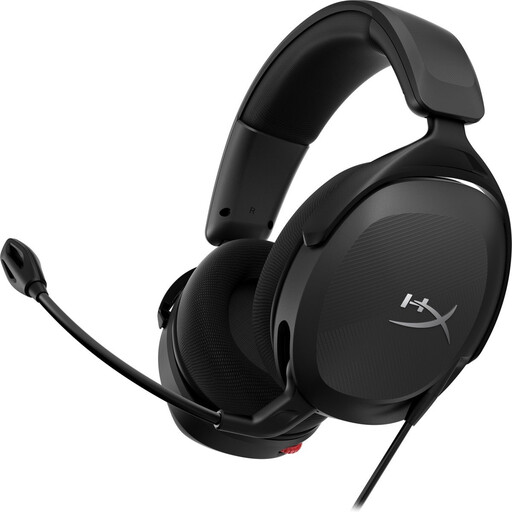
HyperX Cloud III, black
The various wired connections listed may suit different setups; check which input you’ll use for recording and listen to a test take first.
The product description lists 3,5 mm, USB-A and USB-C connections, a detachable microphone, and memory foam in the headband and ear cushions. HyperX describes the microphone as being for voice chat and calls, not as a proven choice for character voice recordings.
View at Joybuy
 No image available
Edifier G2II USB gaming headset for PC
The USB connection suits a PC setup with a compatible port; assess the microphone with a test recording before starting a long take.
The product name mentions 7.1 surround sound and RGB lighting. The description lists soft ear cushions and a padded headband for long-term comfort.
View at Joybuy
Frequently asked questions
How can you check that the microphone is positioned correctly before a long take?
Make a short recording with normal and loud lines, including words with clear B and P sounds. Listen back, move the boom slightly out of the direct airflow if needed, and check the recording level. Advice on positioning a standalone studio microphone isn’t automatically suitable for a headset boom.
Do you always need an audio interface with a broadcast headset?
It depends on the plugs on the version you choose and the inputs you already have. The BPHS1 has separate XLR and 6,3mm plugs; beyerdynamic states that the DT 297 PV MK II is supplied without a connection cable. Also check how you’ll monitor your audio while recording.
What should you do if the ear cushions or cable wear out?
Check whether replacement parts are available for the exact version. Audio-Technica lists replaceable cables and ear cushions for the BPHS1; this doesn’t tell you whether parts are available for other models.
What are the returns and warranty rules in the Netherlands?
Online consumer purchases generally come with a 14-day statutory cooling-off period after delivery, subject to exceptions that you should check in advance. ACM ConsuWijzer also distinguishes between the legal guarantee and any manufacturer’s warranty: if a product doesn’t perform as you could reasonably expect under normal use, contact the seller. Check the product’s specific returns policy too.


