If you’ll be recording expressive travel-guide narration while moving around, first decide whether you want to listen back through the same product: a broadcast headset combines headphones and a microphone, while the Shure SM35 and RØDE HS2 are head-worn microphones without headphones. Next, check the connections and power requirements of the exact model, and make test recordings with both soft and emphatic lines. A compatible plug alone doesn’t guarantee that your recording setup will work. A USB computer headset is a straightforward way to get started, but specifications for calls don’t prove that it’s suitable for expressive voice-over work.
Who is this for?
Expressive travel-guide narrator
You sometimes speak softly and sometimes emphatically, and want to be able to assess the microphone position while recording. Shure provides positioning advice for the SM35, while RØDE highlights how microphone placement affects the sound you record.
Narrator recording outside a quiet studio
You record with background noise and want to consider whether a directional microphone, and possibly closed-back earcups, are right for your recording location. Audio-Technica and Sennheiser describe these features for specific broadcast headsets.
Beginner recording on a computer
You want to get started without a separate microphone interface, and need to check that the headset’s USB connection suits an available port on your computer. Logitech describes the H390 as a USB computer headset.
What should you look for?
Broadcast headset with headphones
A good fit if: you want to monitor your voice while recording and wear headphones and a microphone together. Audio-Technica describes the BPHS1 as having closed-back earcups and a cardioid dynamic microphone.
Bear in mind: the BPHS1 version has separate microphone and headphone connections; check that your recording equipment supports them.
Head-worn microphone without headphones
A good fit if: you want to move freely and already have a separate way to listen back to your recordings. The Shure SM35 is cardioid; the RØDE HS2 is omnidirectional.
Bear in mind: the versions have different connections and power requirements; check these against your recording equipment.
Wired USB computer headset
A good fit if: you mainly want to make simple test recordings on a computer and have a compatible USB port available.
Bear in mind: Logitech positions the H390 for uses such as calls and meetings; this isn’t a comparative assessment of expressive narration.
Test the microphone with your own speaking voice and in your recording space. Shure recommends positioning the SM35 at the corner of your mouth, rather than directly in front of it. For other models, check the position and results for yourself.
| What to consider |
What to check before buying |
Who is this important for? |
| Vocal nuance and plosives |
Check whether the microphone arm is adjustable, and make test recordings with both soft and loud lines. |
When I switch between soft and emphatic passages, I want to hear whether my voice stays clear and plosives don’t overpower it. Around 33% of consumers say vocal nuance is their top priority. |
| Background noise |
Compare the recording characteristics of the exact version and listen back in the place where you plan to record. |
If I’m recording somewhere other than a quiet room, I want to assess how much of my surroundings the microphone picks up. Around 27% of consumers say background noise is their top priority. |
| Connection and power |
Check the connections on your recorder, computer or interface, as well as the power the microphone requires. |
If I first need to know whether my equipment can connect to and power the microphone, I want to check the entire recording setup. Around 20% of consumers say device connectivity is their top priority. |
| Wearing comfort and monitoring |
Decide whether you need built-in or separate headphones, and try the fit for a full passage. |
For longer recording sessions, I want a wearable design that suits me and lets me listen back. Around 20% of consumers say wearing comfort and monitoring are their top priorities. |
Common buying mistakes
-
Mistaking a head-worn microphone for a complete headset
The Shure SM35 and RØDE HS2 are head-worn microphones and don’t have built-in headphones. The Audio-Technica BPHS1 combines a microphone with headphones.
Before buying, decide whether you want to listen back through the same product you’re wearing while recording.
With a head-worn microphone, you may need separate headphones to listen back to your recording.
-
Assuming a compatible plug means your recording setup will work
The RØDE HS2 needs a compatible 3.5mm microphone input with plug-in power. The XLR connection for the Shure SM35 needs a suitable preamp; the Shure RPM400TQG preamp requires phantom power. According to Sennheiser, the HMD 26, article 700318, doesn’t include a cable.
Check the exact version, connectors, power requirements and included cables against the connections on your recording equipment.
Depending on the connection you choose, you may need a compatible cable, interface or preamp.
-
Assuming noise cancellation for calls proves recording quality
Logitech describes the H390 as being for calls and meetings. That positioning isn’t a comparative test of vocal nuance for travel-guide narration.
Make test recordings with your own voice and assess clarity, tone and distracting background noise.
-
Assuming product information guarantees a fixed warranty period in the Netherlands
The Dutch government states that there is no fixed statutory warranty period in the Netherlands. What you can expect from a product depends, among other things, on the product and the sales information.
If a product is faulty, contact the seller. If you have an additional warranty, check the terms and conditions that apply.
Brands to consider
Audio-Technica
The BPHS1 is a broadcast headset for anyone looking for a microphone and headphones in one wearable product.
- According to Audio-Technica, the BPHS1 has a cardioid dynamic microphone, adjustable boom arm, and replaceable cable and ear pads.
- The version described has separate XLR and 6.3mm connections. Check the version: the BPHS1-XF4 has a different cable connection.
Shure
The SM35 is a head-worn microphone for hands-free speech, not a complete headset with headphones.
- Shure specifies a cardioid condenser microphone and recommends positioning it at the corner of your mouth.
- The TA4F version needs a compatible bodypack. The XLR connection needs a suitable preamp; the SM35-XLR preamp requires phantom power.
RØDE
The HS2 is a lightweight head-worn microphone for hands-free speech and presentations.
- According to RØDE, the HS2 has an omnidirectional condenser capsule and a 3.5mm TRS connection.
- The microphone needs a compatible input with plug-in power and doesn’t have built-in headphones.
Logitech
The H390 is a wired computer headset for anyone who wants to get started via USB.
- Logitech lists an adjustable headband, a rotating microphone arm and controls on the cable.
- Its positioning for calls and meetings isn’t an independent assessment of expressive voice-overs.
Sennheiser
The HMD 26 is a broadcast headset with on-ear headphones for anyone who wants to monitor their voice while recording.
- According to Sennheiser, the model combines closed-back on-ear headphones with a supercardioid dynamic microphone.
- The version described, article 700318, doesn’t include a cable. Check in advance which cable and connectors you’ll need.
Headsets on Joybuy
This selection includes wired and wireless headsets with a wearable microphone, for anyone looking for headphones and a microphone in one product. Check that your recording equipment has a compatible connection, and assess the sound with a test recording.
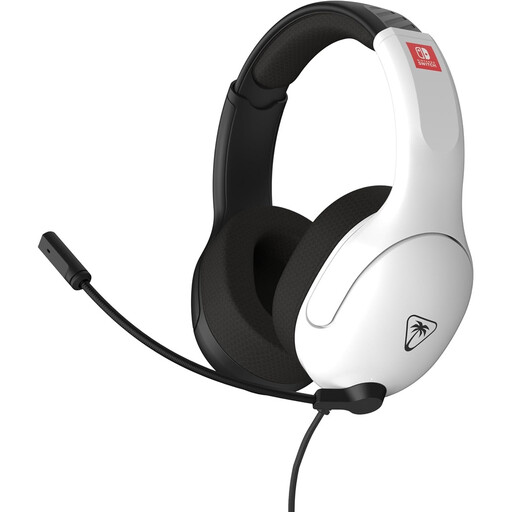 No image available
Turtle Beach Airlite Fit Gaming Headset, 3.5mm, Black/White
A wired headset with a microphone and headphones; check that your recording equipment has a compatible connection.
3.5mm connection; flip-up microphone with mute function.
Joybuy
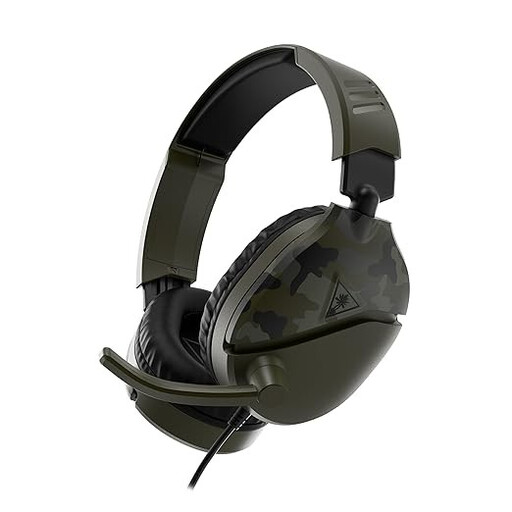 No image available
Turtle Beach Recon 70 Gaming Headset, Green Camo
A wired headset with a boom microphone and headphones; check that your recording equipment supports the connection.
3.5mm connection; flip-up microphone; volume control on the earcup.
Joybuy
 No image available
Jabra Evolve2 30 SE, USB-A
A USB-A headset designed for computers, for anyone who wants to get started using a compatible USB port. Make a test recording to assess how your voice sounds.
Two integrated microphones; adjustable headband; memory foam ear pads.
Joybuy
 No image available
Jabra Evolve2 75, USB-A MS Teams, Black
A wireless headset with microphones for calls; make a test recording before choosing it for expressive narration.
Bluetooth; USB-A; eight beamforming microphones; connects to two devices; adjustable ANC.
Joybuy
 No image available
HyperX Cloud III S Wireless Gaming Headset, Black
A wireless gaming headset with a detachable boom microphone; check that the included connections are compatible with your recording equipment.
Detachable boom microphone; includes USB-A and USB-C connections.
Joybuy
Frequently asked questions
How should you position the microphone for emphatic lines without harsh plosives?
Shure recommends positioning the SM35 at the corner of your mouth, rather than directly in front of it. Then make a test recording with both soft and loud lines. Assess the position of any other model separately.
Can you connect a head-worn microphone directly to any laptop?
No, it depends on the connections and power requirements of the exact version. The RØDE HS2 needs a compatible 3.5mm microphone input with plug-in power; the XLR connection for the Shure SM35 needs a suitable preamp. Check the input and power requirements of your recording equipment.
How should you store a head-worn microphone after use?
Shure recommends storing the SM35 in a dry place and allowing any perspiration to dry completely first. For other models, follow the manufacturer’s care instructions.
Who can help if a product develops a fault after purchase in the Netherlands?
According to the Dutch government, you should contact the seller for a solution if a product is faulty. The Netherlands has no fixed statutory warranty period; what you can expect depends, among other things, on the product and the sales information. A manufacturer’s or additional warranty is separate from those rights.
What if other people’s recognisable voices are also recorded at a travel location?
A sound recording in which someone is recognisable may contain personal data. Processing such data requires a lawful basis under the GDPR. Consent is one possible basis, but it isn’t automatically the only one. The precise obligations depend on what you record and what you do with the recording.


