Who is this buying guide for?

Recording a trailer voice at a small desk

You want to record and monitor your voice straight away, without making room for a microphone stand. Above all, check that a combined headset works with your recording device; RØDE specifies use of the supplied TRRS cable for the NTH-100M.

Creator with an audio interface

You may want to connect the microphone and headphones to separate inputs. Check the connector type and any power requirements for the exact version; Audio-Technica and Shure describe different connection options.

Recording in a noisy room

You want to reduce the prominence of distracting background noise and keep the microphone in a fixed position. A directional microphone and closed earcups may be useful features, but don’t expect them to make your room quiet. Make a test recording and listen back to it.

What should you look for when buying?

Combined TRRS headset

Choose this when: you want to use one headset for recording and monitoring, and your computer has a compatible combined socket.

Trade-off: if you have separate microphone and headphone ports, you may need a splitter; for an XLR input, RØDE specifies a compatible adapter with plug-in power.

Broadcast headset with separate outputs

Choose this when: you already have compatible separate inputs and want to connect the microphone and headphones independently.

Trade-off: according to Audio-Technica, the BPHS1 has an XLR microphone connector and a 6.3mm headphone plug; check the exact version.

Standalone headworn microphone

Choose this when: you already have suitable headphones and a recording connection, or don’t want to wear a headset while recording.

Trade-off: the Shure SM35 is a microphone only; for the SM35-XLR, Shure specifies a preamp that requires phantom power.

Computer or gaming headset

Choose this when: a simple computer connection and use for calls matter more to you than a recording setup designed specifically for voice-over.

Trade-off: a microphone specification for calls doesn’t prove that it will deliver the sound you want for a theatre trailer; assess a test recording in your own room.

What to consider What to check before buying Which consumers does this matter most to?
Recording a trailer voice that sounds right Check the microphone’s intended use and position relative to your mouth, then make a test recording with both quiet and loud passages. Getting the recorded narration right comes first for me, so I want to listen back to my voice in my own room before choosing a headset. Around 36% of consumers say recording a trailer voice is their main buying concern.
Choosing the right connection Note the inputs on your computer or interface and check the connector type and microphone power requirements for the version you’ve chosen. I want to know whether the microphone, headphones and recording device will work together without the wrong connection. Around 29% of consumers put connection compatibility first.
Reducing unwanted noise and plosive sounds Record in the room where you’ll be speaking, follow the positioning instructions and listen back for bursts of breath and background noise. If background noise or plosive sounds disrupt my recording, I want to assess the microphone position and results in my own room. Around 21% of consumers prioritise this.
Keeping extra equipment and clutter to a minimum Check which cables or adapters you’ll need, and factor in an interface and, for a standalone headworn microphone, a separate pair of headphones. I want to keep my desk tidy and know in advance which components I’ll need for my recording setup. Around 14% of consumers are mainly looking to avoid extra equipment and parts.

Common buying mistakes

  • Assuming a headset plug works with any microphone input

    A TRRS connection, separate XLR and headphone plugs, and a connection for a headworn microphone aren’t automatically interchangeable. RØDE specifies the supplied TRRS cable for the NTH-100M. For the XLR connection described, the brand specifies a compatible adapter with plug-in power.

    Compare the exact plugs and power requirements with the inputs you already have.

    Depending on your existing equipment, you may need a splitter, a compatible adapter or an audio interface.

  • Assuming a standalone headworn microphone is a complete headset

    The Shure SM35 is a microphone and doesn’t include headphones. Shure also specifies a preamp requiring phantom power for the SM35-XLR.

    First decide whether you want one device for recording and monitoring, or already have suitable separate equipment.

    You’ll also need separate headphones for this setup, and may need a suitable preamp or interface.

  • Overlooking the cable or version of a broadcast headset

    beyerdynamic states that DT 297 versions are supplied without a connection cable. Audio-Technica describes different connections for the BPHS1 and BPHS1-XF4.

    Before buying, check the exact version, its connections and what’s included in the box.

    If your version doesn’t include one, allow for choosing and connecting a suitable cable.

  • Assuming call noise reduction proves it’s suitable for trailer recording

    HyperX positions the Cloud III microphone for voice chat and phone calls. This doesn’t prove how it will sound for a theatre trailer voice-over.

    Listen back to a test recording made in your own room to decide whether the sound suits your recording.

Brands to consider

RØDE

RØDE describes the NTH-100M as a wired over-ear headset for uses including media production. According to the brand, the NTH-Mic is also available separately for the NTH-100.

  • RØDE says the microphone is detachable and designed to reduce plosive sounds.
  • The supplied TRRS cable is needed to use the microphone. For the XLR connection described, RØDE specifies an adapter that supplies plug-in power.

Audio-Technica

According to Audio-Technica, the BPHS1 is a closed-back broadcast headset with a dynamic cardioid talk microphone.

  • The manufacturer lists a pivoting microphone boom, along with replaceable cable and earpads.
  • The BPHS1 version mentioned has XLR and 6.3mm connections; the BPHS1-XF4 is designed for a different connection system. A microphone specification can’t guarantee how the headset will sound in your room.

Shure

The SM35 is a standalone headworn microphone, not a headset with built-in headphones. The exact connection determines what equipment you’ll need.

  • Shure specifies a cardioid microphone and recommends positioning the SM35 at the corner of your mouth, rather than directly in front of it.
  • According to Shure, the SM35-XLR uses an RPM400TQG preamp that requires phantom power. Check the version before choosing an interface.

beyerdynamic

The DT 297 PV MK II is a closed-back broadcast headset with a condenser microphone for a specialist recording connection.

  • The manufacturer lists replaceable earpads, parts and a detachable cable.
  • According to the product information, DT 297 versions are supplied without a connection cable. Check the cable, power and headphone drive requirements for the exact version.

HyperX

HyperX positions the wired Cloud III as a computer and gaming headset with several connection options.

  • HyperX lists a detachable 10 mm microphone and a mute indicator.
  • The brand describes the microphone as being for voice chat and phone calls; this isn’t a comparative assessment of how it performs for theatre trailer recording.

Wired headset options at Joybuy

This selection includes wired computer headsets that combine a microphone and headphones. For each version, check that the connection described is compatible with your recording device.

Logitech H340 USB Headset, black, wired

Logitech H340 USB Headset, black, wired

The combined microphone and headphones are designed for anyone who wants to record and monitor their voice on a computer without a separate microphone stand.

The description lists a USB connection, an adjustable microphone and integrated stereo headphones. Check that your computer has a compatible USB port.

View at Joybuy

Razer Kraken V3 X Headset, black

Razer Kraken V3 X Headset, black

This wired headset may suit you if you’re looking for a built-in microphone and headphones with a 3.5mm connection.

The product information lists a cardioid microphone. If your computer has separate microphone and headphone ports, you may need the splitter mentioned; according to the product description, it’s included.

View at Joybuy
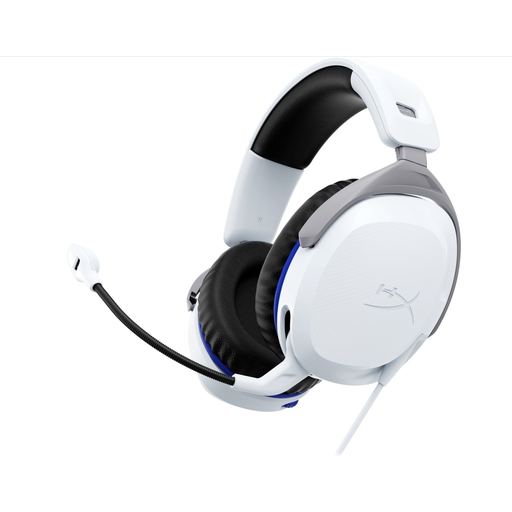
HyperX Cloud Stinger II wired gaming headset in white

HyperX Cloud Stinger II, wired, white

The built-in microphone and headphones are designed for anyone who wants to record and monitor their voice without a separate microphone stand.

The product description lists a flexible microphone boom and a four-pole 3.5mm CTIA connection. Check that it works with your recording input.

View at Joybuy
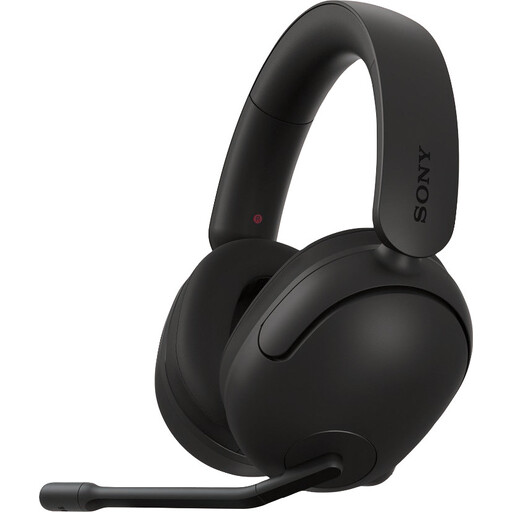
Sony INZONE H3 wired gaming headset for PC and PS5, black

Sony INZONE H3, wired, black

This headset combines an adjustable microphone and headphones for anyone who wants to record and monitor their voice without a separate stand.

The product description lists a unidirectional microphone, connection via a USB audio box and a direct 3.5mm connection. Check which connection works with your recording device.

View at Joybuy

Edifier G2II wired USB gaming headset for PC

Edifier G2II, wired USB gaming headset

This headset combines a microphone and headphones for anyone looking for a wired option without a separate microphone stand.

The product name specifies a wired USB connection for PC. The product description lists a detachable microphone with noise cancellation; check that USB is compatible with your recording device.

View at Joybuy

Frequently asked questions

Can you connect a combined 3.5mm headset directly to your audio interface?

First check which inputs your interface has. RØDE specifies the supplied TRRS cable for the NTH-100M; if you have separate microphone and headphone ports, you may need a splitter. For the XLR connection described, RØDE specifies a compatible adapter that supplies plug-in power.

Where should you position the microphone to reduce harsh p and b sounds?

Follow your model’s instructions and make a test recording. Shure recommends positioning the SM35 at the corner of your mouth, rather than directly in front of it. RØDE also describes a microphone position for the NTH-100M that is designed to reduce plosive sounds.

What can you do if your headset doesn’t work properly after purchase?

For a consumer purchase in the Netherlands, the product must meet what you can reasonably expect; there is no fixed statutory warranty period. According to the Dutch government, the seller is your point of contact if a product is faulty. Any manufacturer’s warranty is in addition to this.

Can you return a headset bought online?

For eligible distance sales, you usually have a 14-day cooling-off period. The Dutch government lists exceptions and distinguishes between buying from a business and buying from a private individual; check which terms apply to your purchase.

Do I need a separate operating licence or CE certificate for home recording?

The EU product rules described cover placing products on the market and do not establish a separate licence for using this equipment for home recording. CE marking is only required when the applicable harmonised product rules say so. Check the rules for the exact version; EU radio equipment regulations are also relevant for wireless equipment.
