
Soft-spoken puppet voice actor
Wants to record their voice close up and consistently while moving their head and hands. An adjustable microphone boom and careful positioning matter more than an unsubstantiated studio-quality claim.


Start with a microphone you can position close to your mouth, and check that its connection is compatible with your computer, recorder or mixer. A complete headset is convenient if you want to listen back at the same time. A broadcast headset with XLR requires suitable separate connections, while a standalone headworn microphone does not replace monitoring headphones. Make a test recording using your own soft speaking voice before you decide.
Wants to record their voice close up and consistently while moving their head and hands. An adjustable microphone boom and careful positioning matter more than an unsubstantiated studio-quality claim.
Wants to record and listen back using the computer ports available. Look out for the difference between a combined socket and separate microphone and headphone ports.
Uses separate audio connections and checks in advance that the microphone, any required power supply or adapter, and the headphone output are compatible with their equipment.
Voice positioning, connections, background noise and freedom of movement all play different roles when recording a soft puppet voice.
| What to consider | What to look for | Who is this important for? |
|---|---|---|
| Recording a soft voice clearly | Check whether the microphone boom is adjustable, and test it with your own soft speaking voice, including when you turn your head. | If I move my head while performing with puppets, I want the microphone to stay well positioned. Around 33% of consumers say capturing the voice is their top purchasing priority. |
| Connecting to your equipment | Check the microphone input and headphone output, the power required and the cables included. | If you want to use an existing computer, recorder or mixer, make sure the connections are compatible in advance. Around 27% of consumers prioritise device compatibility. |
| Breath sounds, plosives and background noise | Look at adjustability, the windscreen and the polar pattern; listen to a test recording featuring consonants and the sounds in your recording space. | When I record softly spoken lines, I also want to assess breath sounds, plosives and room noise. Around 20% of consumers prioritise reducing these sounds. |
| Listening and moving | Decide whether you want to wear headphones while recording, how much freedom of movement you need and how you will listen back. | If you want to move around while performing or monitor your recording, consider whether a cable will work for you and whether a complete headset is suitable. Around 20% of consumers put monitoring or freedom of movement first. |
A 3.5mm connection, a separate XLR microphone connection and a headphone output are not automatically interchangeable. For connecting the NTH-100M to a RØDECaster Pro II, RØDE specifies a splitter and a separate adapter.
Before buying, check both signal paths: from the microphone to the recording input, and from the headphones to the monitor output. Check which plugs and any power supply are required for each model.
You may need a compatible splitter, adapter or audio interface; check which parts will work with your equipment and model.
Product features and intended use are not the same as comparable recordings of a softly spoken character voice.
Make a test recording with soft speech, head movements and the sounds in the room before deciding whether it is suitable.
The Shure SM35 is a headworn microphone, not a pair of headphones. The TA4F version described also requires a compatible Shure bodypack connection.
Choose this option only after you have worked out how to connect it to your recorder and how you will listen back.
This setup may require a compatible bodypack connection and a separate pair of headphones.
RØDE offers the NTH-100M as a complete over-ear headset for uses including content creation. According to RØDE, the NTH-Mic is also designed to be used separately with the NTH-100 headphones.
Audio-Technica describes the BPHS1 as a broadcast headset with closed-back earcups and an adjustable dynamic boom microphone.
beyerdynamic offers the MMX 300 PRO as a closed-back, wired gaming headset with a condenser microphone.
HP describes the wired HyperX Cloud III as offering 3.5mm, USB-C and USB-A connections.
Shure's SM35 is a standalone headworn microphone for anyone who does not want to wear a complete over-ear headset while performing with puppets.
These wired headsets combine a microphone and headphones for recording and listening back. Check the connection and test the microphone with your own soft voice.
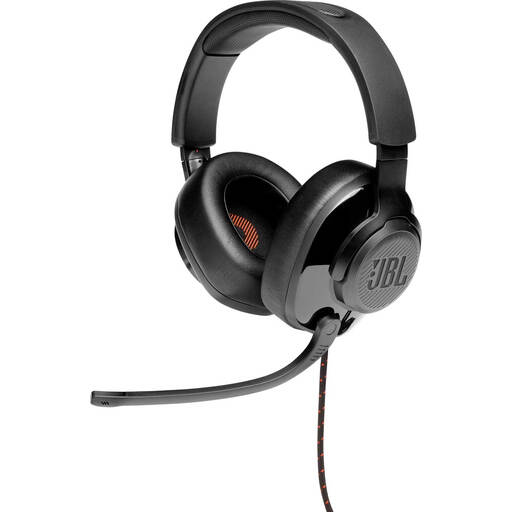 No image available
A wired headset for listening back while you record; the cable may restrict your movement while performing with puppets.
The product description specifies a directional microphone, an included foam windscreen and a 3.5mm connection with a USB adapter.
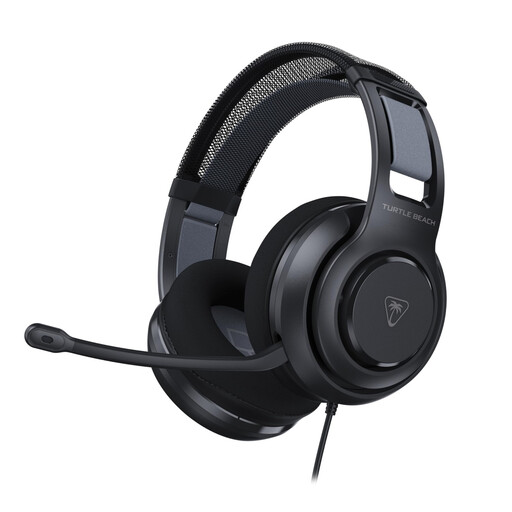 No image available
This wired headset combines headphones and a microphone, so you can listen back while recording. The cable may restrict movement.
The product description specifies a 3.5mm connection and a flip-up microphone with a mute function.
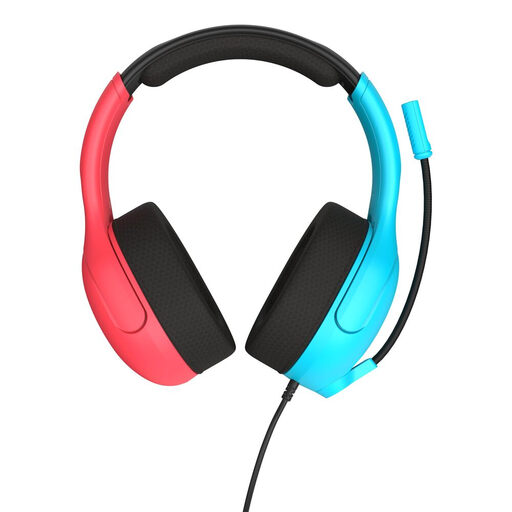 No image available
A wired headset for anyone who wants to listen through headphones while recording; the cable may restrict movement.
The product description specifies a 3.5mm connection and a flip-up microphone that can be moved towards your mouth and muted.
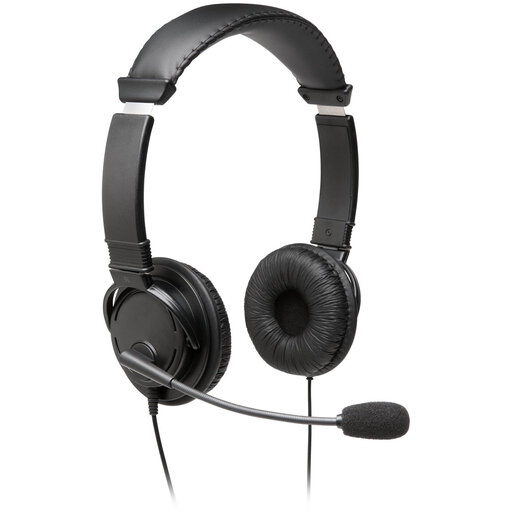 No image available
The product description lists a USB headset with microphone, compatible with Windows, Mac and Chromebook for recording and listening back.
According to the product description, the microphone boom can be rotated; check that the USB connection is compatible with your recording equipment.
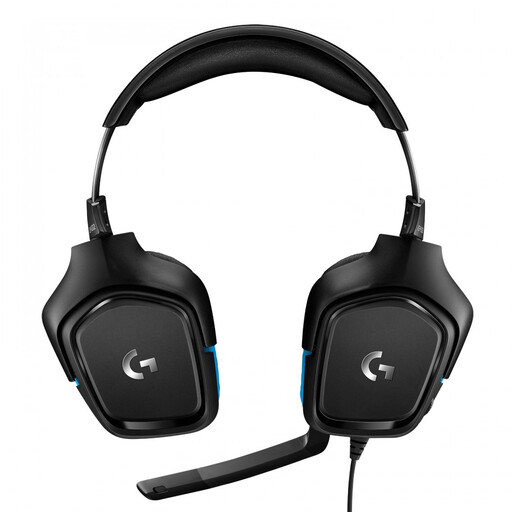 No image available
This wired headset combines a microphone and headphones for monitoring. The cable may restrict movement while performing with puppets.
The product description specifies a 6mm microphone, a 3.5mm connection and an included USB DAC.
Position the microphone slightly to the side of your mouth and point it towards you. Shure recommends this position to reduce breath sounds and plosives; listen to a test recording to assess the position with your headset.
No, not necessarily. For the NTH-100M with a RØDECaster Pro II, RØDE specifies a splitter and a separate adapter that converts phantom power to plug-in power. Check the requirements of both the headset and the mixer.
When buying as a consumer in the Netherlands, you are entitled to a product that is fit for purpose; according to the Dutch government, the seller must provide a solution if there is a fault. The Dutch government also states that the Netherlands does not have a fixed statutory two-year guarantee period for all products.
Not always. According to the Dutch government, when you buy from a business online at a distance, you will often have a 14-day cooling-off period, but exceptions may apply. Check the terms that apply to your purchase; this is not confirmation of any particular seller's returns policy.
The European Commission describes the Radio Equipment Directive as the framework for radio equipment on the EU market. CE marking is required where applicable harmonised EU rules stipulate it; check the information for the specific model.