
Soft-spoken home storyteller
You speak softly and want to record a story on a computer, listen back to it and adjust the microphone input if needed.


Start by checking the connections on your recording device. For simple practice on a computer, a wired USB headset is a practical choice, while a broadcast headset is suitable if you have separate microphone and headphone connections. A standalone headworn microphone can work if you already have recording equipment and a separate way to listen back. Whichever option you choose, make a test recording first at your usual, soft speaking volume. The product specifications listed are not comparative tests of softly spoken storytelling voices.
You speak softly and want to record a story on a computer, listen back to it and adjust the microphone input if needed.
You want to keep the microphone close to your mouth and minimise background noise in your recording. In this case, microphone placement and polar pattern are important.
You already have a suitable recorder or audio interface and are looking for a compatible microphone connection and, possibly, a separate way to listen back.
Suitable for: practising, recording and listening back directly on a computer.
Bear in mind: check that the connection is compatible with your computer. Features designed for calls are no proof of recording quality for softly spoken stories.
Suitable for: monitoring through closed-back earcups with a compatible recorder or audio interface.
Bear in mind: the BPHS1 has separate XLR and 6.3mm connections; check that your equipment supports both.
Suitable for: a recording setup where you already have a separate way to listen back.
Bear in mind: this isn’t a complete listening headset. Check the input you need and whether the microphone requires power.
| What to consider | What to look for | Who it matters most to |
|---|---|---|
| Clarity of soft speech | Choose a microphone you can position well and record at your usual speaking volume. Listen back and adjust the input volume if needed. | If I speak softly, I want to be able to hear my recording clearly without assuming that a feature designed for calls will guarantee this. Around 36% of consumers focus most on clarity of soft speech. |
| Background noise | Compare the microphone position and polar pattern, then listen to a test recording made in the room you’ll be using. | In a room with background noise, I want to assess how much of it comes through in my story. Around 22% of consumers prioritise reducing background noise. |
| Connection | Check the exact model and the ports available. According to RØDE, the HS2 requires a 3.5mm microphone input with plug-in power. | If I want to use my existing computer, recorder or interface, the plug needs to match the available input. Around 21% of consumers focus most on this connection. |
| Listening back and comfort | Check whether the microphone is part of a complete headset and whether the headphone connection is compatible with your equipment. | When practising repeatedly, I want to listen back to my recording and know whether I need a separate pair of headphones. Around 21% of consumers prioritise their listening setup and wearing comfort. |
Specifications for calls are not comparable recording tests of a softly spoken storytelling voice.
First check the microphone’s position and connection, then make a test recording at your usual speaking volume.
The RØDE HS2 and Shure WH20 are headworn microphones. The Audio-Technica BPHS1 combines a microphone with earcups, but uses separate connections.
Before buying, check how you’ll both record and listen back, and which connections you need.
Audio-Technica lists different cable versions for the BPHS1 and BPHS1-XF4, while Shure offers several connector variants for the WH20.
Check the exact model and compare its plugs with the inputs on your recording equipment.
The H390 is a wired USB computer headset for straightforward recording and listening back on a computer.
The BPHS1 is a broadcast headset for a setup with headphone monitoring and a separate microphone connection.
The Blackwire 5220, model 8X231AA, is a wired on-ear stereo headset with several listed connection options.
The HS2 is a lightweight headworn microphone for use with a compatible microphone input and a separate listening solution.
The WH20 is a dynamic headworn microphone for use with a compatible wired or wireless recording chain.
These wired headset options are worth comparing for computer use, recording and listening back. Make a test recording with your own voice and check that the connection is compatible with your equipment.
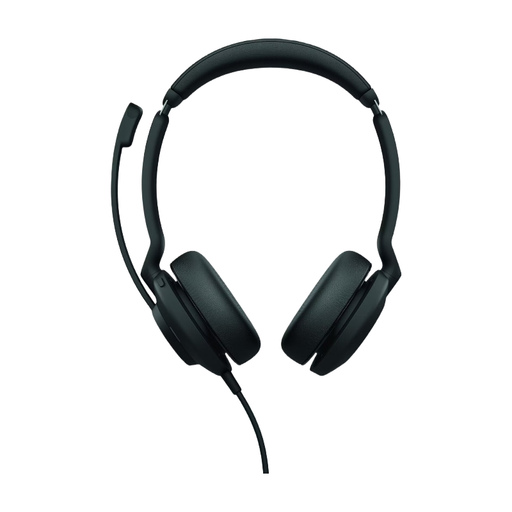 No image available
An option to compare if you want to record and listen back through the same headset while practising.
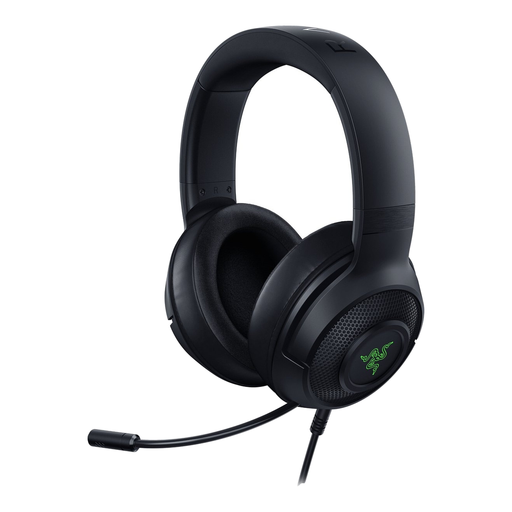 No image available
An option to compare if you’re looking for a wired headset for computer use. Check that the connection is compatible with your equipment.
 No image available
An option to compare if you’re looking for a USB headset with an adjustable microphone boom for practising on a computer.
The product name specifies a USB connection.
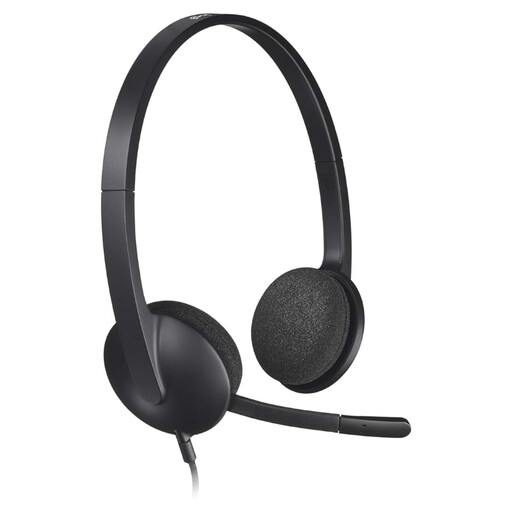 No image available
An option to compare if you’re looking for a wired headset to practise and listen back on a computer.
The product name specifies USB and wired connectivity.
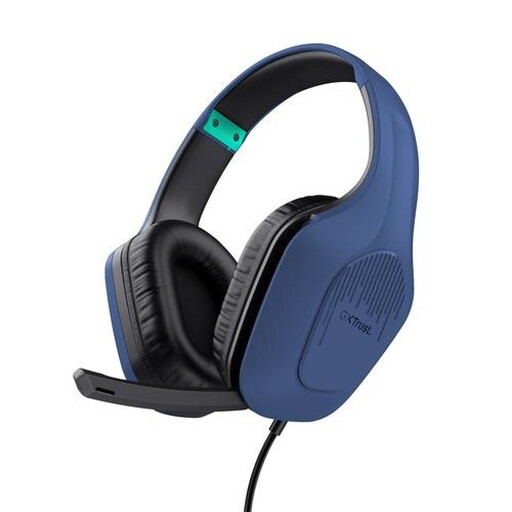 No image available
An option to compare if you want to record and listen back through the same headset while practising.
The product name specifies a wired over-ear headset with 50 mm drivers.
Make a short recording at your usual speaking volume and listen back to it. In Windows, you can test the selected microphone, play back a sample and adjust the input volume if needed. This is a practical test, not a guarantee that a particular model will sound good with every voice.
Not with the connections specified for these models. The Audio-Technica BPHS1 has separate XLR and 6.3mm connections, while the RØDE HS2 has a 3.5mm TRS microphone output and, according to RØDE, requires a microphone input with plug-in power. Check your entire recording chain before choosing a model.
According to the Dutch government, many qualifying distance purchases from a business come with a 14-day cooling-off period. Exceptions and the seller’s information are still relevant. If a product is faulty, your rights against the seller are separate from any manufacturer’s warranty.
The Dutch Data Protection Authority identifies recordings in which someone can be recognised as potential personal data. Whether the GDPR applies in your situation and what legal basis is required depends, among other things, on how the recording is used.