
Narrator with a soft voice
If you’re recording a monologue and move your head as you read, look for a microphone that stays in position and make a test recording. Shure explains that the distance from the microphone affects the voice signal.


Choose a headset microphone that stays reliably close to your mouth and is compatible with the microphone and headphone connections on your computer, recorder or mixer. Make a test recording in the place where you plan to record: a closed-back headset won’t automatically stop background noise from getting into the microphone recording. Also check which cables and, if needed, power supply the model you choose requires.
If you’re recording a monologue and move your head as you read, look for a microphone that stays in position and make a test recording. Shure explains that the distance from the microphone affects the voice signal.
If you’re recording with, for example, audible ventilation in the background, assess both the room and the microphone position. A microphone won’t automatically remove background noise from a recording; Shure and DPA Microphones explain why placement and distance from the sound source matter.
If you want to connect a headset to a computer, mixer or recorder, check that the microphone and headphone connections are compatible with the exact cable supplied. RØDE and Audio-Technica describe different connection options for their models.
Start with the microphone’s distance and position. Then make a test recording in the place where you’ll actually use it, before checking the connection and fit. Shure and DPA Microphones explain why positioning the microphone close to the speaker matters; the points below will help you make a practical assessment.
| What to consider | What should you check? | Who is this most important for? |
|---|---|---|
| Clarity | Check that the microphone boom can be adjusted securely. Record a quiet passage and one spoken more emphatically, then listen back to check the position and recording level. | If I move my head while reading aloud, I want the microphone to stay at a practical distance from my mouth. Around 36% of consumers give clear reproduction of a soft voice top priority. |
| Background noise | Make a test recording in the intended location while the usual background noise is present; listen to quiet passages and pauses as well. | If there’s ventilation or other constant noise at home, I want to hear how much of it comes through in the recording. Around 29% of consumers put background noise at the top of their list. |
| Connections | Note the microphone input and headphone output on your device. Check the exact cable, adapter and any power requirements. | If I want to use my existing computer, mixer or recorder, I want to know before buying whether I can connect both the microphone and headphones. Around 21% of consumers prioritise compatibility with their equipment. |
| Comfort | Compare on-ear and over-ear styles, adjustability and weight. Also check whether the cables or ear pads can be replaced on the model you’re considering. | If I’m recording several takes in a row, I want to know whether the headset will remain comfortable and keep the microphone in position. Around 14% of consumers consider long-term comfort the most important factor. |
Earcups help you listen in isolation, but they don’t mean the microphone won’t pick up sound from the room. Shure emphasises that the result depends, among other things, on background noise and the distance from the speaker.
Make a test recording where you plan to narrate and listen to it before relying on any claims about isolation.
Allow extra time to find a quieter recording location or record new takes if the background noise proves distracting.
A compatible headphone connection doesn’t prove that the microphone will work too. RØDE says the NTH-100M needs an adapter that supplies plug-in power when connected to an XLR microphone input.
Check the microphone input, power requirements and connections for the exact headset and adapter.
Depending on your recording setup, you may need a suitable adapter.
The cable included varies by model and version. Sennheiser states that no cable is included with the HMD 26; Audio-Technica describes a specific cable for the standard BPHS1, with separate microphone and headphone plugs.
Check what’s in the box and which connections you need for the complete model version.
You’ll need to source the required cable separately for the HMD 26.
According to RØDE, the NTH-100M combines closed-back listening headphones with a detachable headset microphone for a compatible 3.5mm recording setup.
The BPHS1 is a closed-back broadcast headset with an adjustable cardioid dynamic microphone, designed for equipment with separate microphone and headphone connections.
The HMD 26 is a wired, closed-back on-ear broadcast headset with a supercardioid dynamic microphone.
The DT 797 PV is a closed-back over-ear headset with a cardioid condenser microphone, offering a different microphone option for compatible equipment.
These products are headsets or gaming headsets that you can consider as possible options for narration. Before buying, check the connection on your recording device and make a test recording to hear how the microphone works with your voice and in your recording environment.
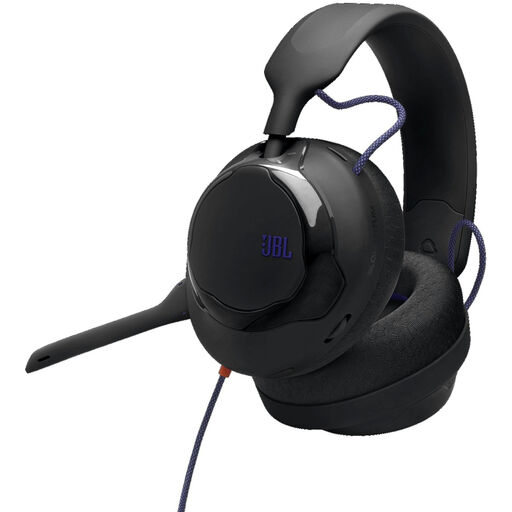 Image unavailable
A gaming headset to consider if you’re looking for a headset microphone for a monologue; test the recording with your voice and equipment.
The product name specifies a wired version.
 Image unavailable
Could be worth considering if you’re looking for a headset microphone for narration; test it with your voice and setup before relying on it.
The product name specifies USB.
 Image unavailable
A headset to consider as a possible recording option; listen to a test recording to check how the microphone captures your soft voice and the room.
The product name specifies the colour Black.
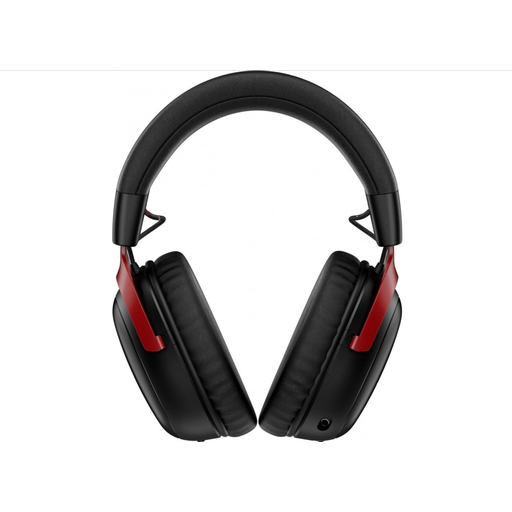 Image unavailable
Consider this gaming headset only after making a test recording to check whether the microphone works for your narration voice and recording environment.
The product name specifies the Black/Red colour variant.
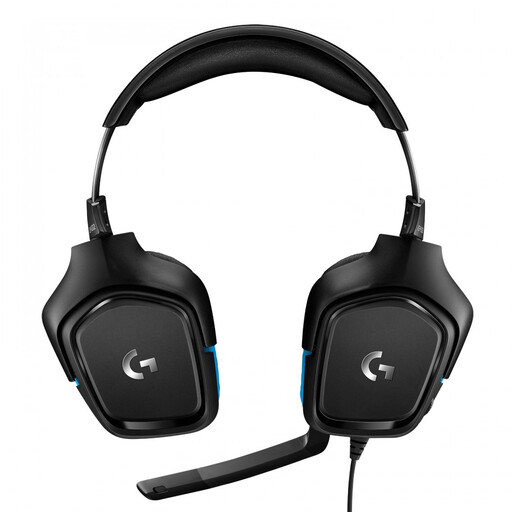 Image unavailable
A wired gaming headset to consider if you’re looking for a headset microphone for a monologue; check the clarity by recording your own voice.
The product name specifies a wired version.
No. First, assess the microphone position and background noise with a test recording. Shure explains that the balance between voice and background noise depends in part on the level of the background sound and the distance from the speaker. Then adjust the recording level and listen to passages spoken more emphatically too.
According to RØDE, use the supplied TRRS cable and splitter to separate the two signals for individual 3.5mm ports. To connect the microphone to an XLR microphone input, RØDE describes an adapter that supplies plug-in power.
Check what’s included with the exact version and whether the cable and ear pads can be replaced. Audio-Technica lists a replaceable cable and ear pads for the BPHS1; Sennheiser states that no cable is included with the HMD 26. So decide in advance which connection you need and whether the cable is in the box.
ACM ConsuWijzer states that you’ll generally have up to 14 days after delivery to change your mind, subject to legal exceptions. You’re also covered by the statutory guarantee if a product doesn’t perform as you could reasonably expect under normal use; there is no general fixed two-year time limit.