
Speaker recording themselves
Do you mainly practise at a laptop and want to listen back to your script, pace and clarity? A USB headset with a boom microphone is a compact option to explore. Make a test recording to judge how it sounds.


If you mainly practise at a laptop using recording software, a wired USB headset with a boom microphone is a compact option to consider. Check that the connection is compatible and make a test recording. If you want to move around while practising and speak through a venue’s sound system, compare complete wireless sets. You’ll need a suitable connection to the system and should check that the frequency variant is suitable for the location.
Do you mainly practise at a laptop and want to listen back to your script, pace and clarity? A USB headset with a boom microphone is a compact option to explore. Make a test recording to judge how it sounds.
If you rehearse with others using a computer, consider the connection and mute controls as well as the microphone. The available USB and wearing-style options vary by model.
If you want to move around during rehearsal and speak through the venue’s sound system, look at a complete wireless set. Bear in mind that you’ll need a receiver, a suitable audio connection and to check the frequency variant.
Choose this option if: you mainly record a speech while seated or practise online; check the connection and make a test recording.
Bear in mind: a cable limits how much you can move around while practising.
Choose this option if: you also rehearse online with others and want to choose a version that suits your USB port and wearing preference.
Bear in mind: a USB-C plug doesn’t guarantee that every device or app supports audio; Jabra notes this limitation for the Evolve2 30 SE.
Choose this option if: moving around and practising through the venue’s speakers are part of your rehearsal, and the receiver can be connected to the sound system.
Bear in mind: a complete set has more components than a USB headset; also check that the frequency variant is suitable for the intended location.
| What to consider | What should you check? | Who is this important for? |
|---|---|---|
| Recording your voice with minimal extra equipment | Check that the headset has a microphone, that the connection is compatible and that your recording software recognises the audio. | If I mainly want to record a speech at my computer, I prefer to keep the setup compact and listen to a test recording first. Around 38% of consumers prioritise simple computer recording. |
| Connecting to your device | Note your device’s port, choose the right version and test whether the app recognises the microphone and audio output. | If I want to practise using my own laptop or device, I want to be sure the headset and app work together. Around 31% of consumers give top priority to compatibility with their own device. |
| Moving around during a venue rehearsal | Check what’s included in the complete set, how the receiver connects to the sound system and whether the frequency variant can be used at the location. | If I want to practise my seminar presentation while moving around and using the venue’s sound system, I don’t want to be tied to one spot by a cable. Around 16% of consumers prioritise freedom of movement. |
| Comfort and muting | See whether mono or stereo versions are available and where the mute control is; choose a headset that suits your preferences. | If I rehearse several times or for longer periods, I want to be able to adjust the headset comfortably and mute it quickly. Around 15% of consumers give comfort and controls top priority. |
A headset microphone for a wireless system isn’t automatically ready to connect to a computer. Shure says the PGA31 is designed for compatible bodypacks; a complete set may include a separate transmitter and receiver.
Before buying, compare everything included in the set and check that the connections are compatible with your recording device.
You may need to buy a compatible transmitter, receiver or other connecting equipment separately.
The Dutch Authority for Digital Infrastructure (RDI) points out that available frequencies can vary by location and that some frequency bands require a licence.
Check the exact frequency variant against the RDI information for your intended location.
Checking the frequency variant takes extra preparation and time.
If retailer information lists different connections or features, it can be unclear which exact version you’re looking at. The manufacturer describes the Logitech H390 as a wired USB headset.
Check the version and key specifications with the manufacturer, and ask the retailer to confirm if anything is unclear.
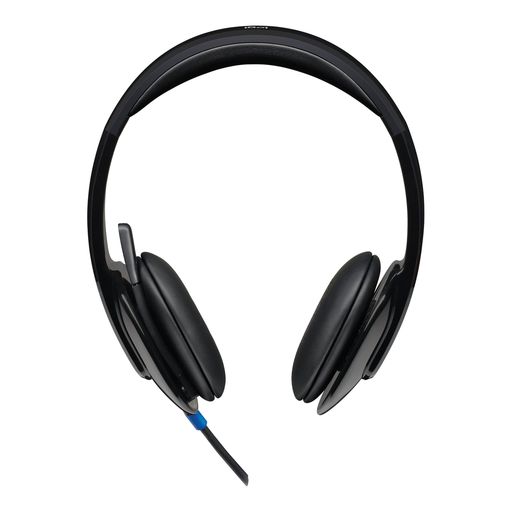
The H390 is a wired computer headset for a compact recording setup.
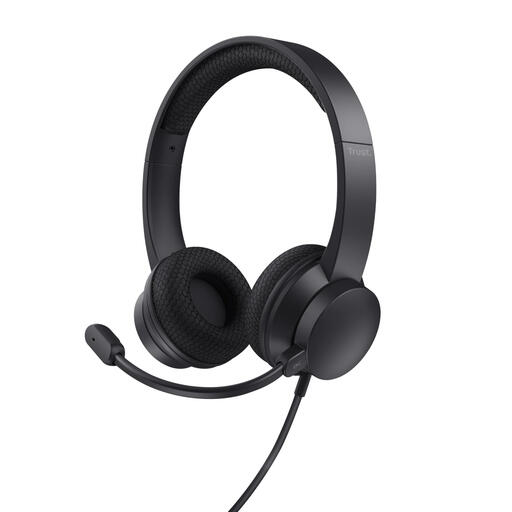
The Ayda 25088 is a wired USB PC headset for practising at a computer.
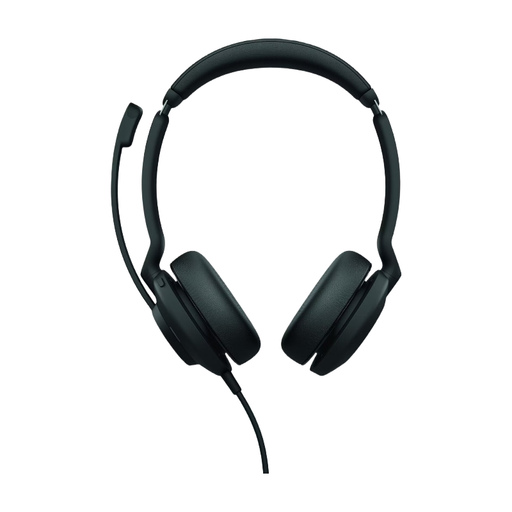
The Evolve2 30 SE is a wired office headset that could also be suitable for online rehearsals.
The PC 8 USB is a wired on-ear stereo headset for computer use.
The XS Wireless 1 range includes a wireless headset set for presenters who want to practise using a sound system.
These are wired headsets for practising and recording using a computer. For each model, check that the connection is compatible with your device and intended use.
 No image available
Worth considering if you’re looking for a wired headset for computer-based rehearsals and want to be able to mute yourself during online practice. Check the exact version and connection for your device.
 No image available
A wired headset to consider for computer recordings; check that the connection and controls suit your recording software and rehearsal.
 No image available
A wired USB headset to compare if you want to record computer-based rehearsals. Before buying, check that the connection and controls suit the way you’ll use it.
 No image available
A wired headset to consider for voice recordings on a computer. Check that the version suits your device and make a test recording before your rehearsal.
 No image available
An option for computer-based rehearsals where you want to be able to mute yourself during multiple practice sessions. Check that the connection on this version is compatible with your device.
No. The plug alone doesn’t guarantee an audio connection. For the USB-C version of the Evolve2 30 SE, Jabra specifically notes that not all USB-C devices or apps support audio through the headset; check your device and app.
Connect the compatible USB version and select the headset as the microphone in your recording software. Make sure mute is switched off and position the microphone close to your mouth; Jabra recommends this in its instructions. Then listen back to your own recording.
No. According to the Dutch Authority for Digital Infrastructure, a licence is usually not required for wireless microphones if you use the correct frequency range and follow the conditions. Some bands do require a licence, and not all frequencies are available at every location in the Netherlands.
Online consumer purchases generally come with a statutory cooling-off period of up to 14 days after delivery, subject to exceptions. The seller must also offer a solution if a product is faulty. According to the Dutch government, the Netherlands does not have a fixed statutory two-year warranty period for all products.