Which headset microphone is right for you?

Speaker recording their own voice

You practise on a laptop and mainly want to hear your own voice back, without a microphone stand taking up space on your small desk. Check your computer’s port and the position of the boom microphone. Logitech and Jabra describe wired computer headsets for this kind of use.

Speaker practising on the move

You want to practise gestures and movement while a computer records your voice. A wireless headset microphone with a compatible USB receiver could be a good fit; Samson describes the XPD2 Headset as coming with a receiver for Mac and PC.

Speaker recreating a venue setup

You’re practising with an existing sound system and need a compatible connection to it. Shure describes the BLX14/PGA31 as a system with a headset, bodypack and receiver. For a wireless radio system, also check the applicable frequency requirements set by the Dutch Authority for Digital Infrastructure.

What should you look for when choosing?

Wired USB computer headset

Choose this option: if you’ll be staying by your laptop and want to record or listen back to your voice without a microphone stand on your desk.

Bear in mind: the cable limits your freedom to move, and a USB headset won’t automatically send audio to a venue’s sound system.

Wireless headset microphone with USB receiver

Choose this option: if you want to walk around during rehearsals while your computer records the microphone signal; Samson lists a USB receiver for Mac and PC for the XPD2 Headset.

Bear in mind: check the connection and power supply; a USB receiver isn’t necessarily designed for listening back to your recording.

Wireless system with a separate receiver

Choose this option: if you want to recreate the freedom of movement and connection to an existing sound system; Shure describes the BLX14/PGA31 as having a separate receiver.

Bear in mind: check the sound system’s input, the receiver and the exact frequency version before choosing a model.

What to consider What should you check? Who should consider this?
Recording your own voice Check the boom microphone and make a short test recording on the device you’ll be using. If I want to listen back to my pronunciation and pace, I prioritise a clear voice recording. Around 36% of consumers choosing a headset for this type of rehearsal put useful voice recording first.
Clear desk and connection Check your device’s USB port, and the connection, cable length and controls on the version you’re considering. If I don’t want a separate microphone stand on my small desk, I look for a headset that connects directly to my computer. Around 29% of consumers in this rehearsal scenario prioritise a clear workspace and a straightforward connection.
Freedom to move Decide whether you need to record on a computer or connect to a sound system; check the receiver, power supply and frequency version. If I want to walk around during my presentation, I don’t want to be tethered to my laptop by a microphone cable. Around 21% of consumers choosing a headset for this type of rehearsal put freedom of movement first.
Comfort and listening back Choose between mono and stereo, and try out the fit and the listening-back experience. When practising repeatedly, I want a style that suits me and, sometimes, leaves one ear free. Around 14% of consumers in this rehearsal scenario give comfort and the ability to listen back top priority.

Pitfalls to avoid when buying

  • Confusing a noise-cancelling microphone with noise cancellation for your ears

    A description of microphone noise cancellation doesn’t, on its own, tell you how much background noise you’ll hear while listening. Logitech describes this as a feature of the H390 microphone, not as an independent assessment of a seminar recording.

    Check separately what the product information says about microphone recording and listening. If necessary, make a short test recording in the room where you plan to practise.

  • Choosing a personal USB headset for a venue sound system

    A computer headset and a microphone system with a separate receiver use different connection setups. A USB headset won’t automatically send the microphone signal to the input of a sound system.

    Before buying, decide whether you need to record your rehearsal on a computer or play it through a sound system, then check which connection you’ll need.

  • Choosing a wireless system based on its name alone

    The Shure BLX14/PGA31 is available in different frequency versions. The Dutch Authority for Digital Infrastructure distinguishes between frequencies that can be used without a licence under the stated conditions and bands that require a licence.

    Check the full model version, frequency and receiver output, and consult the relevant information from the Dutch Authority for Digital Infrastructure.

Brands to consider

Logitech

The H390 is a wired computer headset for use with a laptop. For the version described, Logitech lists USB-A, a boom microphone and in-line controls.

  • The stated cable length is 1.9 m.
  • Logitech lists noise cancellation for the microphone; this isn’t an independent assessment of recording quality in your room.

Jabra

The Evolve2 30 SE is available in wired mono and stereo versions for computer use. Choose the USB version that suits your recording device.

  • Jabra specifies two microphones and different weights for the mono and stereo versions.
  • According to the manual, not every USB-C device or app supports an audio connection through the mobile connection.

HP Poly

The Blackwire 3320, product number 8X220AA, is a wired stereo headset with a USB-C cable and USB-A adapter.

  • For this version, HP lists an adjustable boom microphone and a mute control.
  • Check the product number: according to HP, the 3.5 mm connection for mobile devices is available on other Blackwire versions.

Samson

The XPD2 Headset is a wireless headset microphone with a USB receiver for computer use.

  • Samson lists connections for Mac and PC, plus a separate 3.5 mm monitoring output on the receiver.
  • According to Samson, the bodypack uses two AA batteries, which aren’t included; also check how you’ll listen back to the audio.

Shure

According to Shure, the BLX14/PGA31 is a wireless system with a headset, bodypack and separate receiver for use with a compatible sound system.

  • The described setup has a separate receiver alongside the headset and bodypack.
  • Shure lists different frequency versions and advises checking local requirements. The stated performance doesn’t guarantee a particular range in your venue.

Headsets for computer-based rehearsals

These Joybuy products are suited to computer-based rehearsals with a headset microphone, from wired USB headsets to a wireless headset option.
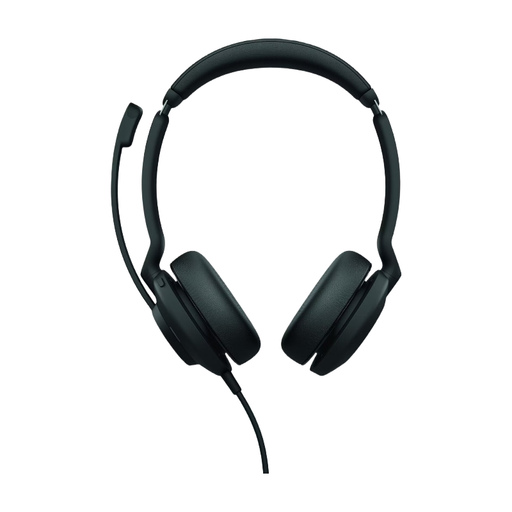
Jabra Evolve2 30 SE headset

Jabra Evolve2 30 SE

A good fit for computer-based rehearsals without a separate desk stand; the product description lists a USB-A connection.

The description lists two integrated microphones and compatibility with Windows and Mac. Check that the connection suits your device.

View at Joybuy

Logitech PC 960 USB headset

Logitech PC 960 USB headset

An option for computer-based rehearsals where you want to position the microphone on your headset.

The product description lists a USB connection, adjustable boom microphone and in-line volume and mute controls.

View at Joybuy

Logitech H340 wired USB headset

Logitech H340 USB headset

A good fit for computer-based rehearsals if you’d rather use a boom microphone on your headset than a separate stand.

The product description lists USB, stereo audio, an adjustable microphone and in-line volume and mute controls.

View at Joybuy
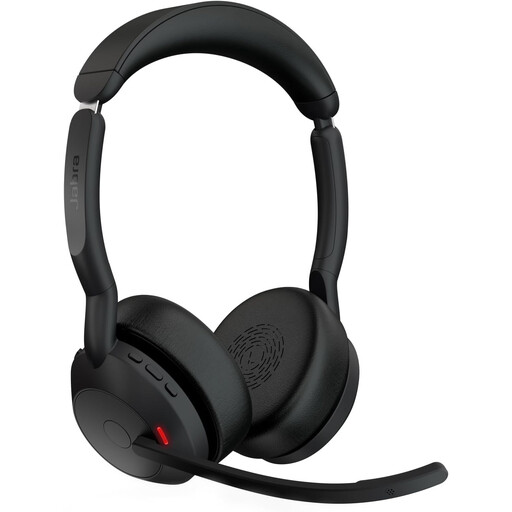
Jabra Evolve2 55 wireless stereo headset

Jabra Evolve2 55 Wireless Stereo Headset

An option if you don’t want to be connected to your laptop by a headset cable during computer-based rehearsals.

The product description lists two microphones, a flexible boom microphone and a Link 380 USB-C Bluetooth adapter. Check the connection options on your device.

View at Joybuy
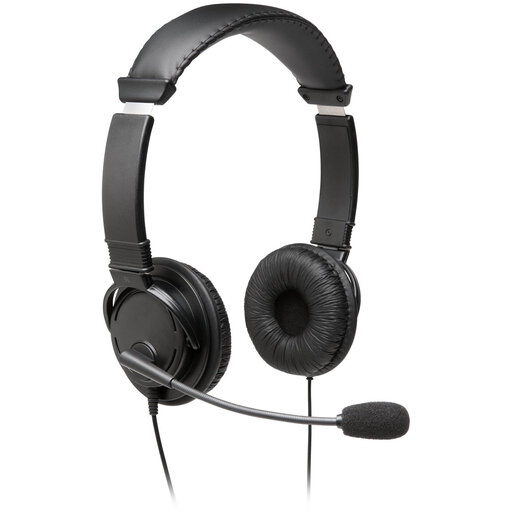
Kingston USB Hi-Fi headphones with microphone

Kingston USB Hi-Fi Headphones with Microphone

A good fit for computer-based rehearsals where you want to listen back to your voice recording through a headset.

The product description lists stereo audio, a 1.8-metre cable and an adjustable boom microphone that rotates through 270 degrees. Windows, Mac and Chromebooks are listed as compatible.

View at Joybuy

Frequently asked questions

Can you use a USB computer headset to amplify your voice in a seminar room?

Not automatically: a computer headset is designed for computer audio and won’t automatically provide a usable signal to a venue’s sound system. Check how to connect the microphone signal to the system; a system with a separate receiver offers a different connection setup.

How should you position the microphone for a test recording?

Connect the right USB version, select the headset as the microphone input in your recording software and position the boom microphone near your mouth. For the Evolve2 30 SE, Jabra recommends placing it close to your mouth. Listen back to a short recording before rehearsing your entire presentation.

Do wireless headset microphones always require a licence in the Netherlands?

No, it depends on the frequency band and the applicable conditions. The Dutch Authority for Digital Infrastructure publishes the frequencies on which wireless microphones can operate without a licence under the stated conditions, and notes that some other bands require a licence. Check the exact frequency version and, where relevant, the location. This applies to radio microphones, not to a general licensing requirement for every Bluetooth computer headset.

What should you check if you want to record other people during your seminar rehearsal?

Don’t automatically assume that recording other people is covered by a private voice test. The Dutch Data Protection Authority refers to education providers having policies on making and keeping recordings and informing the people involved. That information alone doesn’t establish which obligations apply in your specific circumstances.
