
Speakers who want to listen back to themselves
You practise your Dutch opening out loud, record it and refine your wording or delivery after listening back. UvA Taalwinkel recommends practising out loud first.


If you record your Dutch introduction and listen back on a computer, a computer headset is suitable. If you want to move around the room while speaking, you’ll need a compatible earset with a bodypack and receiver that connects to the venue’s sound system. A computer headset won’t amplify your voice in the room on its own. Before a wireless rehearsal, check the frequency requirements and availability at your venue in the Netherlands with the Dutch Authority for Digital Infrastructure (RDI).
You practise your Dutch opening out loud, record it and refine your wording or delivery after listening back. UvA Taalwinkel recommends practising out loud first.
You practise or present using a computer and want to speak and hear others. The connection and microphone placement need to suit your equipment and the way you practise.
You want to gesture and move around during a rehearsal using the venue’s sound system. In that case, the earset, bodypack, receiver and available frequencies all matter. The RDI notes that frequency availability can vary by location.
UvA Taalwinkel recommends practising out loud. Then choose based on what you want to record, what you’ll connect to and whether you want to move around the room using the sound system.
| What to consider | What should you check? | Who is this important for? |
|---|---|---|
| Test recording | Record your entire opening, listen for quiet words and changes in volume, and adjust the microphone boom if needed. | If I want to hear how my spoken introduction sounds, I want to listen back to it using my own voice and speaking distance. Around 29% of consumers prioritise a clear test recording. |
| Connection | Check the port on your recording device and whether you can select the headset microphone as an audio input. | If I want to practise using my existing computer, phone or recorder, the microphone connection needs to work with it. Around 29% of consumers prioritise device compatibility. |
| Comfort | Decide whether you want to keep one ear free, and check whether you’re buying a mono or stereo version. | For repeated practice sessions, I want a wearing style that suits me and, if needed, leaves one ear free so I can hear the room. Around 21% of consumers prioritise comfort. |
| Moving around the room | Check that it connects to the venue’s sound system, which components are included in the set and the frequency requirements for the location. | If I want to move around the room during my introduction, the microphone setup needs to work with the equipment available. Around 21% of consumers prioritise moving around while using the venue’s sound system. |
A USB computer headset isn’t a standalone setup for amplifying your voice in a room.
Before you buy, decide whether you only want to practise with a recording or also speak through the sound system available at the venue.
The Shure MX153 has a connector for compatible Shure bodypacks. A transmitter and receiver are also needed for a wireless setup.
Check what’s included in the exact version and confirm the connection with the person responsible for the venue’s sound system.
According to the RDI, frequency availability can vary between locations in the Netherlands. Some bands are subject to licensing requirements.
Before use, check the exact frequency version, power output and location against the latest information from the RDI.
RØDE specifies the supplied TRRS cable for the microphone on the RØDE NTH-100M. The device input must also support microphone audio.
Check the input and make a test recording before the full rehearsal.
These brands illustrate different connections and practice setups. Always check the specifications for the exact version.
The H390 is a wired computer headset for recording an introduction on your computer or speaking online.
The Blackwire 3200 series includes wired business headsets for different ways of practising.
The Evolve2 30 SE is a computer headset for anyone who also takes part in online conversations around their presentation.
The NTH-100M is an over-ear headset with a detachable microphone for recording and listening back via a suitable 3.5 mm headset input.
The MX153 earset and presentation systems such as the BLX14/MX53 are designed for practice with a bodypack and receiver.
This selection is aimed at practising and listening back using a compatible device with a wired headset. Check your device’s input; these headsets don’t amplify sound in a room on their own.
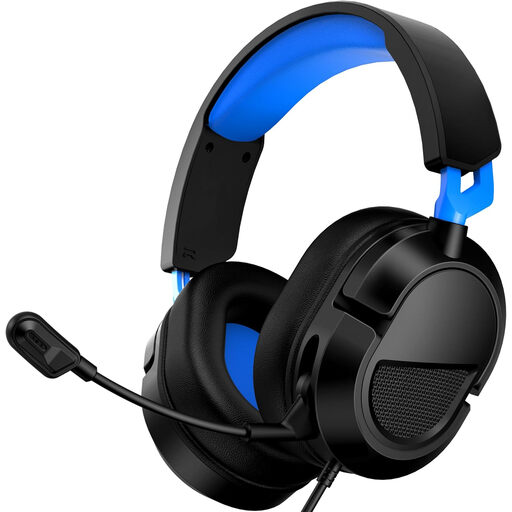 No image available
The product description mentions PC use for speaking and listening via a compatible 3.5 mm connection.
The description mentions a flexible microphone; the wired connection limits how far you can move.
 No image available
The USB-A version is designed for practising on a computer with a compatible port.
The product name specifies USB-A and MS Teams. Check that the connection and version suit your device and how you plan to use it.
 No image available
This USB computer headset may suit practising and listening back on a computer with a compatible USB connection.
The product description mentions an adjustable microphone boom, volume control, mute and stereo audio. The USB cable limits how far you can move.
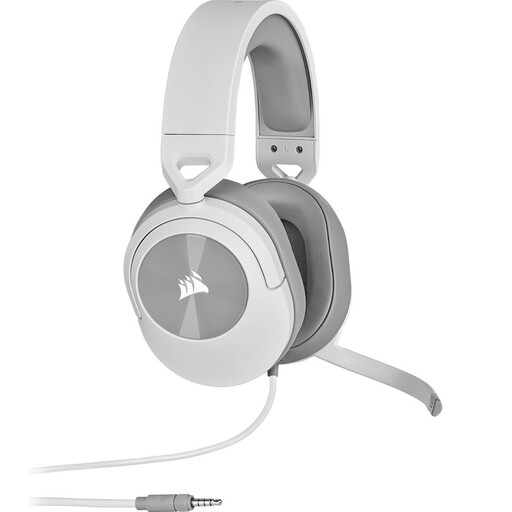 No image available
This wired headset may suit speaking and listening back on a compatible device with a 3.5 mm connection.
The description mentions an included Y-splitter and a flip-up microphone with a mute function. Check that your device supports microphone input.
 No image available
This headset may suit speaking and listening back on a device with a compatible combined headset connection.
The description mentions an adjustable microphone, volume control and mute via 3.5 mm. For microphone use, you’ll need a suitable combined input or a splitter; a splitter isn’t included.
Yes. UvA Taalwinkel recommends practising out loud first and suggests recording yourself on a mobile phone as a way to spot areas that need work. A headset is mainly useful when its connection, personal microphone or playback method suits your practice setup.
Connect the headset to the device you plan to use, select the microphone as the input and make a test recording of your introduction. For the RØDE NTH-100M, RØDE specifies the supplied TRRS cable to make the microphone work.
Not always. According to the RDI, wireless microphones can be used without a licence on certain frequencies, subject to specified power limits; some bands require a licence. Availability can vary by location, so check the frequency of the exact set and the seminar venue before transmitting.
ACM ConsuWijzer says that if a product breaks sooner than you’d expect with normal use, you may be entitled to a free remedy from the seller. For online purchases, you generally have a cooling-off period of up to 14 days after delivery, with exceptions that you should check before buying.