For a seated monologue, a USB headset is practical if you want to record directly to a computer and monitor your audio through the same headset. A separate headworn microphone is a better fit if you already have the right input and power supply. Choose a directional microphone if background noise is a concern, but also consider the room and microphone placement. Wireless is mainly useful if you need to move around or keep cables out of shot; if so, check the complete system and the permitted frequencies at your location.
Which setup is right for you?
Narrator who puts vocal sound first
You’re recording a longer monologue and want to keep the microphone close to your mouth, even when you turn your head slightly. RØDE recommends positioning the microphone close to your mouth; check how the recording sounds in your own room.
Creator who records directly to a computer
You want to get started without a separate microphone input and be able to monitor your audio while recording. Logitech describes the H340 as a USB-A headset; for the Jabra Evolve2 40, choose the version with the right USB connection.
Creator mindful of sound or appearance
You want to account for distracting background noise or wear a small microphone that’s less visible on camera. Audio-Technica describes the BP892x as a small headworn microphone; the connection and equipment you need depend on the version you choose.
What should you look for when choosing?
Start with the connection, then decide whether background noise or visibility matters most. Choose wireless only if you really need the freedom to move around.
Separate omnidirectional headworn microphone
Suitable if: you want a small microphone close to your mouth and have a compatible microphone input.
Bear in mind: this isn’t a complete USB headset; an omnidirectional capsule requires careful consideration of the room’s acoustics.
Wired directional headworn microphone
Suitable if: there’s distracting background noise and your recording equipment has a compatible input.
Bear in mind: check the connector and placement; a directional microphone is no substitute for a quiet recording space.
Complete wired USB headset
Suitable if: you want to record directly to a computer and monitor your audio through the same headset.
Bear in mind: the manufacturers position these models for calls; that isn’t an independent test of how they perform when recording a long monologue.
Wireless headworn microphone
Suitable if: you need to move around or keep cables out of shot, and can put together a compatible complete system.
Bear in mind: the extra freedom to move may be unnecessary for a seated recording; check the frequency requirements and availability at your location.
| What to consider |
What to look for when buying |
Who is this important for? |
| Clear speech |
Check whether the microphone boom is adjustable, and make a test recording while speaking and turning your head. |
When I’m recording a long piece of text, I want my voice to stay clear even when I move my head slightly; around 36% of consumers prioritise vocal reproduction. |
| Connection and recording setup |
Check the input on your computer, recorder or interface and the exact version; look for plug-in power with the RØDE HS2 and XLR with the Shure WH20XLR. |
If I want to record directly to a computer without first putting separate equipment together, the connection needs to be right straight away; around 29% of consumers prioritise direct computer connectivity. |
| Background noise |
Make a test recording in the room you plan to use, with your usual sound sources switched on, and assess your voice and the background together. |
If, for example, I can hear a fan, I want to know how it sounds in the recording before choosing a microphone; around 21% of consumers prioritise background noise. |
| Visibility and fit |
Check whether the microphone can be visible on camera, whether you want to keep one ear free and whether the fit is comfortable. |
If I’m filming the narration or sitting still for a long time, the microphone needs to suit both the shot and the way I wear it; around 14% of consumers prioritise visibility and fit. |
Things to watch out for when buying
-
Assuming a separate headworn microphone is a complete USB headset
The RØDE HS2, Shure WH20XLR and Logitech H340 have different connections and functions. The HS2 needs a 3.5 mm microphone input with plug-in power, while the WH20XLR has an XLR connection.
Map out the entire connection from microphone to recording device, and check the exact version before you buy.
A separate microphone may require a compatible interface or power supply; check what your recording setup needs.
-
Mistaking call features for proven recording quality
Logitech and Jabra describe the USB headsets mentioned here as being for calls. That alone doesn’t tell you how they sound when recording a long narration.
Make a test recording using your own voice, speaking pace and typical room noise before you decide.
-
Choosing wireless when the narrator will be sitting down
For a seated recording, freedom to move doesn’t automatically offer an advantage. A radio system also requires a suitable transmitter, receiver and frequency.
Compare a wired setup first. If you choose wireless, check the complete system and the Dutch frequency requirements for your location.
A wireless setup requires a compatible transmitter and receiver, as well as the headworn microphone.
Brands to compare
RØDE
The HS2 is a separate, low-profile headworn microphone for a compatible 3.5 mm microphone input.
- According to RØDE, the HS2 has an adjustable boom, an omnidirectional condenser capsule and a pop filter included.
- The input must supply plug-in power; the HS2 isn’t a complete USB headset.
Shure
The WH20 is a wired dynamic headworn microphone; the connection varies by version.
- Shure specifies a cardioid capsule and adjustable headband for the WH20.
- The WH20XLR, WH20TQG and WH20QTR have different connectors; check that the version you choose is compatible with your recording setup.
Logitech
The H340 and 960 are complete USB-A headsets for use with a computer.
- Logitech describes both models as being for calls; for the H340, the brand mentions an adjustable microphone and headband.
- Their positioning for calls isn’t an independent assessment of their suitability for a produced monologue.
Audio-Technica
The BP892x is a small wired headworn microphone for narrators who want to keep visibility in mind.
- According to Audio-Technica, the BP892x comes with a power module and an adapter for wearing it over either ear.
- The wireless BP892xc versions have different connections and don’t include this module; check the exact version.
Jabra
The Evolve2 40 is a computer headset with a microphone and speakers, available in different connection versions.
- The manual describes USB-A and USB-C versions.
- The microphone technology is positioned for calls; that isn’t an independent test for narration recording.
DPA
The 4088 is a professional directional headworn microphone for a recording setup compatible with the version you choose.
- DPA describes it as capturing sound from in front of the microphone and offers several connector options.
- The manufacturer’s description isn’t a measurement in your room; check the connector version and the equipment you’ll need with it.
Headsets on Joybuy
These product picks are headsets with microphones for hands-free speaking during a seated recording. Check the connection for each model and make a test recording; the product descriptions aren’t an independent assessment of recording quality for a monologue.
 No image available
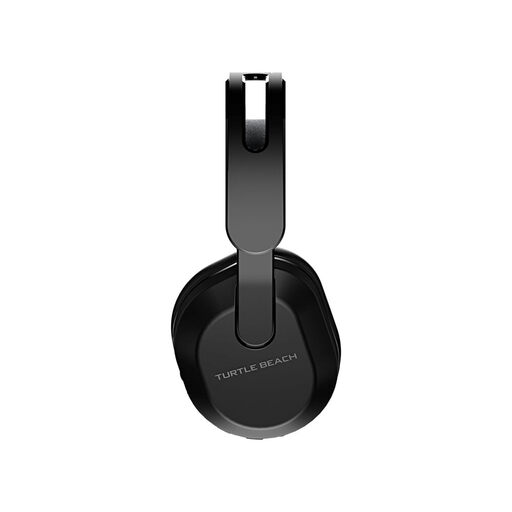
Turtle Beach Stealth 500 Xbox Wireless Gaming Headset, black
The headset design and microphone may suit hands-free speaking; make a test recording to see whether this model works for your monologue.
The product title describes a wireless headset with a flip-to-mute microphone. It lists Xbox Series X|S, Xbox One, PC, Switch 2 and mobile; check compatibility with your recording device.
View on Joybuy
 No image available
Turtle Beach Airlite Fit Gaming Headset, 3.5 mm, blue/red
The wired headset design may suit you if you want to wear a microphone while recording; test the connection and make a recording with your own equipment.
The product title mentions a 3.5 mm connection and a flip-up microphone. Listed compatible devices include Nintendo Switch, Switch Lite, Switch OLED, PC and mobile.
View on Joybuy
 No image available
Jabra Evolve2 30 SE
This headset may suit you if you want to record directly via USB-A; check that the connection works with your computer and assess the sound with a test recording.
The product description lists USB-A, two built-in microphones, an adjustable headband and ear cushions.
View on Joybuy
 No image available
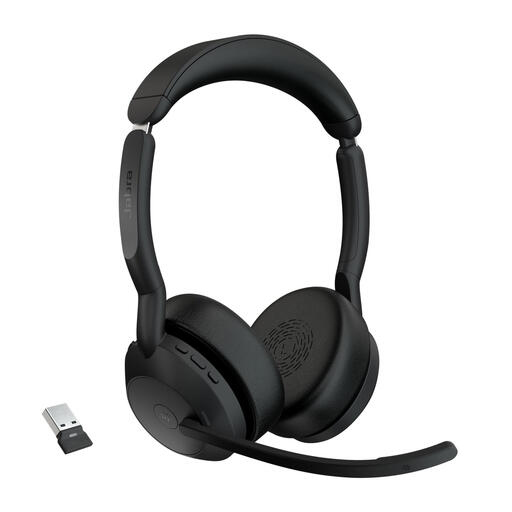
Jabra Evolve2 55 Link380a MS Stereo
The headset described may suit you if you’re considering a wireless setup for speaking; check the connection with your recording device and test a recording in your own room.
The product description lists Bluetooth and a USB adapter. It positions the model for communication and speech.
View on Joybuy
 No image available
Jabra Evolve2 75
This headset may suit you if you want to speak hands-free; check that the listed connection options work with your recording device and make a test recording first.
The product description lists Bluetooth, a USB-C cable, microphones, an adjustable headband and ear cushions.
View on Joybuy
Frequently asked questions
Can I connect a separate headworn microphone directly to my computer?
You can’t tell from the term ‘headset microphone’ alone. The RØDE HS2 needs a compatible 3.5 mm microphone input with plug-in power; the Shure WH20XLR has an XLR connection. The Logitech H340 is a complete USB-A headset. Check your recording device’s input before buying.
Where should I position the microphone boom while recording?
Position the microphone close to your mouth and make a test recording with your usual head movements. According to RØDE, a microphone positioned too far away can sound more distant and pick up more room noise.
Can I use a wireless headset microphone in the Netherlands without a licence?
You can, provided you use frequencies and comply with the conditions that are exempt from licensing. The Dutch Authority for Digital Infrastructure warns that availability on shared UHF frequencies varies by location. So check the frequency of the exact transmitter and your location before use.
How can I tell whether a headset will sound good for my monologue?
Make a test recording with your own voice, speaking pace and the usual sounds in your room. Manufacturers’ descriptions for calls are no substitute for this real-world test.
What should I check before a long recording session?
Try the fit and make sure the cable isn’t pulling on the microphone. Also check that the connection you’ve chosen works with your recording device before starting a long recording.


