Who is this headset microphone for?

Actor rehearsing at home

Practises dialogue and introductions on a computer and wants to record and listen back using a single headset. A USB computer headset combines a microphone and earcups; check that its connection is compatible with your computer. Logitech describes this combination for the H390.

Actor moving around on stage

Rehearses scenes involving movement and wants a lightweight microphone that stays in place, leaving their hands free. An adjustable headband and a suitable wireless connection may be important. Sennheiser describes the HSP Essential Omni as having an adjustable headband.

Actor with existing sound equipment

Already has recording equipment or a wireless bodypack. The right connection, power supply and, where relevant, frequency determine whether a standalone microphone will work with the equipment you have. RØDE, Shure and Audio-Technica specify different connections and compatibility requirements.

What should you consider when choosing?

USB computer headset

Choose this when: you practise on a computer, want to record your voice and listen back to the text straight away.

Bear in mind: a cable can restrict your movement; without additional equipment, this headset isn’t a wireless stage microphone.

Wired headworn stage microphone

Choose this when: you have suitable recording equipment or a compatible microphone input and want to speak hands-free. For direct connection, the RØDE HS2 requires a 3.5mm microphone input with plug-in power.

Bear in mind: the microphone doesn’t include earcups for listening back to your text, and a cable can restrict your movement.

Wireless headworn microphone

Choose this when: you want to move around during scenes and can use a compatible bodypack and receiver.

Bear in mind: you’ll need to check that the connection and frequency are suitable for the venue; a standalone microphone isn’t automatically a complete wireless system.

What to consider What to look for Who is this important for?
Computer connection and listening back Check the USB type and whether your computer has the right connection; also consider microphone positioning and controls. When I practise at home, I want to record dialogue and hear my pronunciation straight away. Around 29% of consumers prioritise computer-based rehearsal and listening back.
Freedom of movement and fit Adjust the headband and check that the transmitter and receiver are included and compatible. For scenes involving movement, I want to speak hands-free without the microphone slipping out of place. Around 29% of consumers prioritise freedom of movement and a secure fit.
Clear speech through the venue sound system Match the capsule’s polar pattern to the speaker setup and try the microphone position during a rehearsal. When my voice needs to come through the venue sound system, I look for clear speech and resistance to feedback. Around 21% of consumers say clear speech through venue amplification is their main concern. Shure describes the cardioid PGA31 as less sensitive to unwanted sound and feedback; Podiumtechniek says an omnidirectional capsule is more consistent when its position varies.
Connection to existing equipment Check the full model number of the bodypack or recording equipment, the plug and the required power supply. If I already have sound equipment, I want to make sure the microphone will connect to it before choosing a version. Around 21% of consumers prioritise compatibility with existing equipment.

Avoid common buying mistakes

  • Assuming a standalone headset microphone is a complete wireless system

    Without a compatible signal path, the microphone signal won’t reach the venue sound system. A standalone microphone may need a compatible bodypack and receiver.

    Check exactly what’s included in the set and compare the full model numbers of the microphone, transmitter and receiver.

    A compatible bodypack and receiver may be separate components; check whether they’re included with the set you choose.

  • Assuming every 3.5mm or multi-pin plug will fit

    A plug that looks right doesn’t guarantee compatibility. For direct connection, the RØDE HS2 requires a microphone input with plug-in power; Audio-Technica offers versions with different cable terminations.

    Check the specified connection and power requirements for the exact microphone version, as well as the equipment you want to connect it to.

  • Choosing a wireless frequency without checking the venue

    According to the Dutch Authority for Digital Infrastructure (RDI), you must use the correct frequency band. Interference can occur on shared licence-exempt bands.

    Before use, check the frequency of the exact system and what’s available at the rehearsal or performance venue.

Brands to consider

Logitech

The H390 is designed for computer rehearsals where you speak and listen back using a computer.

  • The headset has earcups, a positionable microphone and in-line controls.
  • Check that the USB-A or USB-C version you choose is compatible with your computer; this isn’t a standalone microphone for a wireless bodypack.

RØDE

The HS2 is a headworn microphone for hands-free speaking with suitable recording equipment or a compatible wireless system.

  • The microphone has an adjustable boom and a 3.5mm TRS output.
  • For direct connection, RØDE specifies a microphone input with plug-in power. The HS2 doesn’t have earcups for listening back.

Shure

The PGA31 is a cardioid option for spoken word with compatible Shure bodypacks.

  • Shure cites reduced sensitivity to unwanted sound and feedback as an advantage of the cardioid pattern.
  • The PGA31-TQG requires a compatible TA4F/TQG bodypack; the standalone microphone doesn’t automatically include a receiver.

Sennheiser

The HSP Essential Omni is designed for anyone looking for an adjustable, discreet headband.

  • Sennheiser specifies an omnidirectional capsule and individually replaceable parts.
  • Check that the connection on the exact version is compatible with your transmitter.

Audio-Technica

The BP892x series offers headworn microphones with versions to suit your existing setup.

  • Audio-Technica describes replaceable cables and separate wired and wireless connection options.
  • The BP892x with power module and the BP892xcT4 for certain Shure systems have different connections; check the exact model.

Headsets for computer rehearsals

These product picks are wired or wireless computer headsets with a microphone and listening function, for recording and listening back to dialogue. They aren’t necessarily a substitute for a headworn microphone with a compatible transmitter and receiver for a stage setup.
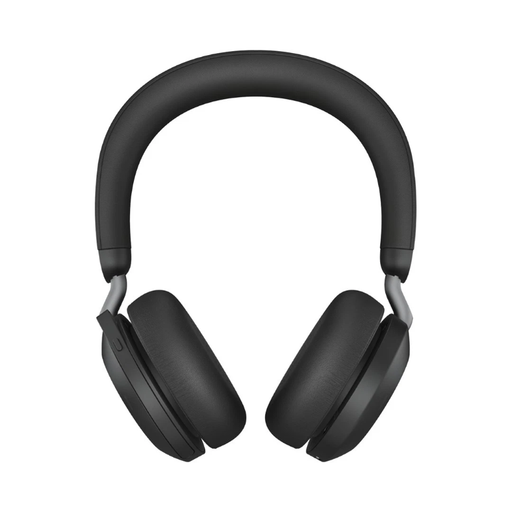
Jabra Evolve2 75 headset

Jabra Evolve2 75 headset

The combination of microphones and earcups is suitable for recording and listening back on a compatible device.

The description specifies Bluetooth 5.2 and a USB-C cable.

The stated microphone sensitivity is -35 dB.

View at Joybuy

Logitech PC 960 USB wired headset

Logitech PC 960 USB headset

This wired USB headset is designed for speaking and listening on a computer.

The description specifies stereo audio and an adjustable microphone boom.

Volume control and microphone mute are on the cable; the cable may restrict movement during a stage rehearsal.

View at Joybuy

Logitech H340 USB headset, black and wired

Logitech H340 USB headset, black

This USB headset combines a microphone and headphones for computer rehearsals and listening back.

The description specifies stereo audio and an adjustable microphone boom.

The in-line controls include volume and mute; the USB cable may restrict your freedom of movement.

View at Joybuy
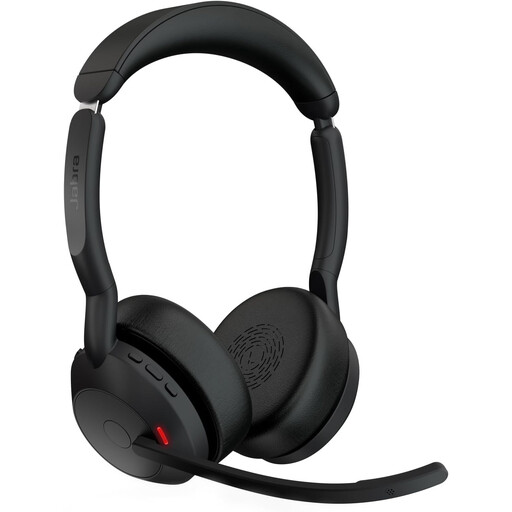
Jabra Evolve2 55 wireless stereo headset

Jabra Evolve2 55 Wireless Stereo Headset

This headset combines microphones and stereo audio for speaking and listening back on a compatible device.

The description specifies a flexible microphone boom and a USB-C Bluetooth adapter for connecting to a laptop.

Check that the connection options are suitable for the device you use for rehearsals.

View at Joybuy

Frequently asked questions

Can I connect a stage microphone directly to my computer?

Don’t assume that you can: connections and equipment requirements vary between microphones. The Logitech H390 is a USB computer headset; for direct connection, the RØDE HS2 requires a compatible 3.5mm microphone input with plug-in power, while the Shure PGA31-TQG is designed for a compatible wireless bodypack. Check the complete signal path before choosing.

How should you position and maintain a headworn microphone during rehearsals?

Adjust the headband and microphone position according to the instructions for the exact model. Sennheiser advises against bending the microphone boom on the HSP Essential; also check whether cables or parts can be replaced if that matters for how you’ll use it.

What should you consider when using a wireless microphone in the Netherlands?

Check whether the frequency used by the exact transmitter is permitted at the venue. According to the Dutch Authority for Digital Infrastructure, wireless microphones usually don’t require a licence if you use the correct frequency band, but some bands do require one. Interference can occur on shared licence-exempt frequencies.

What extra equipment might you need for wireless rehearsals?

A standalone headworn microphone may need a compatible bodypack and receiver, so check what’s included in the set. Also check the connection and power requirements: a microphone that fits an existing transmitter doesn’t automatically make a complete wireless system.

What should you look for when buying wireless radio equipment?

Check both which frequency you can use at the rehearsal venue and whether the equipment is suitable. The RDI explains that manufacturers apply the CE marking when radio equipment meets all requirements; a CE marking doesn’t determine which frequencies are available at your venue.
