
Recording directly to a computer
You want to record a synopsis without a separate mixer or interface, so your main concern is whether the headset connects to your computer. Logitech Netherlands lists a USB-A connection for the H390.


If you record directly to a computer, a USB headset offers a simple way to connect. If you need to monitor your recording or work with an audio interface, a headset with the right analogue or separate connections may suit your setup better. Don’t choose based only on how close the microphone sits to your mouth. Check the connection and make a test recording with the microphone just outside the path of your breath.
You want to record a synopsis without a separate mixer or interface, so your main concern is whether the headset connects to your computer. Logitech Netherlands lists a USB-A connection for the H390.
You regularly record spoken content, want to monitor your voice and pay attention to microphone placement and plosive sounds. DPA Microphones and RØDE offer advice on microphone placement and use.
You already have recording equipment and need a headset whose microphone, headphone and cable connections are compatible with it. Audio-Technica and beyerdynamic provide connection details for specific products.
Start with where you’ll record and which connections are available. Then consider how to position the microphone and whether the headset is comfortable for monitoring.
| What to consider | What to look for | Who is this important for? |
|---|---|---|
| Clear speech without plosive sounds | Check whether the boom is adjustable. Make a test recording with p and f sounds, keeping the microphone outside the direct path of your breath. | When I record a synopsis close to the microphone, I want to hear my voice clearly without distracting bursts of breath; around 33% of consumers prioritise clear speech without plosive sounds. |
| Connecting to recording equipment | Check the exact headset version, cable and ports. Make sure both the microphone input and headphone output work. | I want the microphone and headphones to connect to my computer or interface; around 25% of consumers give device compatibility top priority. |
| Easy recording | Decide whether you’ll record directly to a computer or use an interface, then select the right recording input in your software. | When I want to record a synopsis without a complicated setup, I’m looking for a straightforward route from headset to recording file; around 25% of consumers prioritise simplicity. |
| Comfort and monitoring | Consider the fit, adjustability and ear cushions. Listen back to a short recording through the headset. | For longer recording sessions, I want a comfortable fit and to be able to spot issues when monitoring the recording; around 17% of consumers prioritise comfort and monitoring. |
At close range, the microphone can pick up your breath and plosive sounds, making them more noticeable in the recording.
Position the microphone boom just outside the direct path of your breath, then listen back to a test recording.
USB, TRRS and separate microphone and headphone plugs are different types of connection. A working headphone connection doesn’t necessarily mean the microphone will work too.
Compare the exact headset version and supplied cable with the ports on your recording device.
According to beyerdynamic, the DT 297 PV MK II is supplied without a connection cable. Without a suitable cable, the headset won’t connect to the intended recording setup.
Check the cable type, plug and pinout required by your equipment in advance.
The H390 is a USB computer headset for anyone who wants to record directly to a computer.
The NTH-100M combines over-ear headphones with a detachable headset microphone for recording and monitoring.
The BPHS1 is a broadcast headset for recording setups with compatible, separate microphone and headphone connections.
The DT 297 PV MK II is a broadcast option for anyone who can match the cable and recording chain to their own equipment.
These headsets are options to compare for recording spoken content. For each version, check that your recording device supports its connection and microphone, and make a test recording before recording a synopsis.
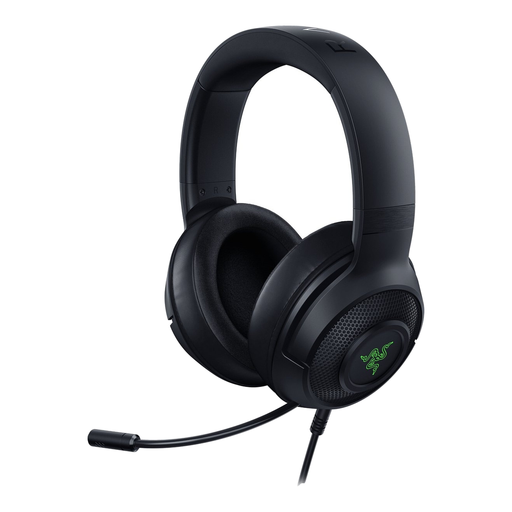 Image unavailable
A headset to consider if you want to record spoken content. Check that the microphone works with your recording device and listen back to a test recording.
Version: black.
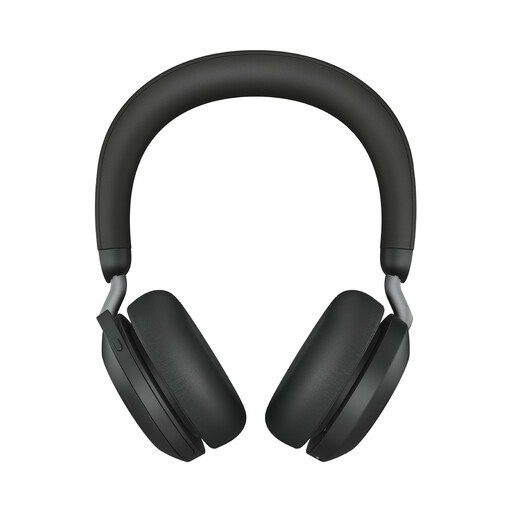 Image unavailable
A headset to consider for recording spoken content. Check that this version works with your recording device and make a test recording.
Version: USB-A MS Teams, black.
 Image unavailable
A wired headset to consider if you want to record spoken content. Check that the microphone input works on your computer and listen back to a test recording.
Version: USB, wired.
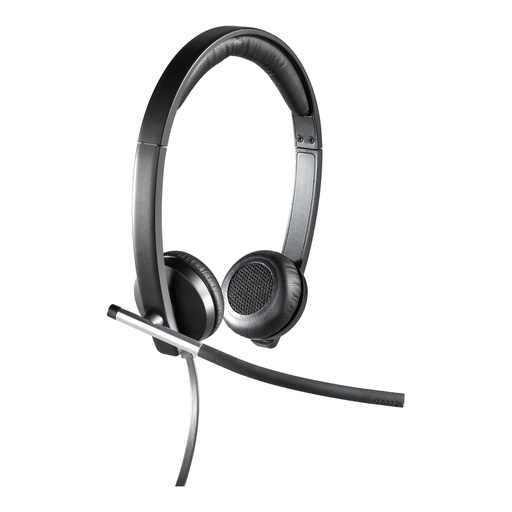 Image unavailable
A wired headset to consider for recording spoken content. Before buying, check which connection this version uses and test the microphone with your recording device.
Version: Stereo, wired.
 Image unavailable
A USB headset to consider if you want to record directly to a computer. Check the connection and listen back to a test recording.
Version: USB, black, wired.
No, it’s better to position the microphone just outside the direct path of your breath. Make a test recording and listen for plosive sounds on p and f sounds. The best position also depends on your voice and the microphone.
Check that you’re using the right microphone connection and cable. For the NTH-100M, RØDE specifies using the supplied TRRS cable when you use the microphone; the Audio-Technica BPHS1 has separate microphone and headphone plugs.
Select the headset as your recording input, make a short test recording at your usual speaking volume, then listen for breath noise, plosive sounds and background noise. Shure notes that a microphone won’t automatically distinguish reverberation from direct speech, so test it in the room where you plan to record too.
It depends on the model and your equipment. According to beyerdynamic, the DT 297 PV MK II is supplied without a connection cable. Check in advance which cable, plug and pinout are compatible with your recording setup.
When you buy remotely from a business, you’ll usually have a 14-day cooling-off period, although the Dutch government lists some exceptions. Check which terms apply to your purchase.