For a lesson presentation that you’re recording from one dedicated spot, a wired headset with an adjustable microphone boom is a sensible starting point, as long as the connection is compatible with your computer. Choose stereo if you want to listen back through both earcups, or mono if you want to keep one ear free. Manufacturer specifications can’t guarantee how clearly your voice will come through in your room, so make a test recording first.
Who is this buying guide for?
Practising your presentation on a laptop
You record your presentation from one spot and want to listen back to your voice straight away. Check that the connection is compatible and find out how to control the microphone. Logitech, EPOS and Trust all describe wired headsets with microphones and controls.
Practising in a shared space
You want to record your presentation clearly, even if there may be background noise. Test what the microphone actually picks up in the place where you’ll be practising. A manufacturer’s noise-cancelling claim isn’t a measurement of your recording.
Keeping in touch with your class while practising
You want to keep one ear free to hear instructions or reactions. In that case, look for a mono version and check the connection on the specific headset. HP Poly describes mono and stereo versions in the Blackwire 3200 series.
What should you look for when choosing?
Start by checking the connection on your recording device and how the microphone is controlled. Then decide whether you want stereo so you can listen back through both earcups, or mono to keep one ear free. Wireless is mainly worth considering if you want to move around while practising.
| What to consider |
What should you check? |
Who is this important for? |
| Clear voice recordings |
Check the adjustable microphone boom and mute control. Make a test recording in the room where you’ll be practising. |
If I want to assess my pronunciation and speaking pace, I need to be able to listen back to my voice clearly; around 36% of consumers say voice clarity is their top purchase priority. |
| Connection |
Check the port on your computer, the exact headset version and whether your device recognises the microphone. |
When I connect my headset, I want to know for sure that I can use it as a microphone; around 29% of consumers put a compatible connection first. |
| Style and playback |
Check whether the headset is mono or stereo, and whether the headband and ear cushions suit your practice session. |
If I’m doing several practice sessions, I want a style that suits the way I listen back; around 21% of consumers say style and fit are their top priority. |
| Features you’ll use |
Compare the exact version and the connection you need. Check whether an adapter is included. |
If I’m recording in one place, I don’t want to pay for features I don’t need; around 14% of consumers put avoiding unnecessary features first. |
Pitfalls to avoid
-
Assuming similar model names mean the same version
A headset range may include models with different plugs and styles. A version that doesn’t fit your recording device won’t work with your setup.
Before you buy, check the full model name, product number, plug and contents of the box.
If the port isn’t compatible, you may need a suitable adapter. Check whether one is included with the headset.
-
Confusing noise cancellation with a clear recording
A product specification or manufacturer’s claim can’t tell you how your voice will sound when recorded alongside the background noise in your room.
Check the microphone and make a short test recording in the place where you plan to record.
-
Choosing wireless when you’ll stay in one place
You don’t necessarily need the freedom to move around if you’re practising from a fixed spot.
Choose a wireless headset if you really want to move around while practising and your device can connect to it.
With a wireless model, you’ll also need to check the battery level and charge the headset when necessary.
Brands to consider
Logitech
The H390 is a wired computer headset for a fixed workstation, with an adjustable microphone boom and in-line controls.
- For the USB-A version, Logitech lists a 1.9 m cable, mute control and a noise-cancelling microphone.
- These are manufacturer specifications and claims, not an independent test of your recording. Also check which connection the specific H390 version uses.
EPOS
The PC 8 USB is a stereo headset with a USB connection for use with a computer.
- For product number 1000432, EPOS lists in-line controls and a unidirectional microphone.
- Check the product number and connection on the version you’re looking at. Any claims about clear calls come from the manufacturer.
Trust
The Ayda range includes wired USB and 3.5 mm versions, as well as a wireless model. Connections and controls vary by model.
- For the Ayda USB, model number 25088, Trust lists a 1.8 m cable and a USB-C-to-A adapter included in the box.
- Similar Ayda names may refer to different connections or microphones. Check the exact model; claims about wireless battery life or noise cancellation apply to specific versions.
HP Poly
The Blackwire 3200 series is worth considering if you’re looking for a wired office headset and want to compare mono and stereo options.
- HP describes mono and stereo styles and several connection options across the range.
- Not every version has the same style or connection. Check the specific model; statements about quality from HP are brand claims.
Headsets for practising in one place
These Joybuy products are designed for practising and recording from one fixed spot. This selection includes wired headsets with USB or 3.5 mm connections. Always check which port your recording device has and whether your recording software recognises the microphone.
 No image available
Logitech PC 960 USB
A wired USB headset for recording at a fixed computer workstation.
USB connection and stereo sound. The product description lists an adjustable microphone boom and in-line volume and mute controls.
View at Joybuy
 No image available
Logitech H340 USB, black
A wired USB headset for practising on a computer with a compatible USB port.
USB connection and stereo sound. The product description lists an adjustable microphone and plug-and-play setup.
View at Joybuy
 No image available
Trust Ayda wired USB headset
A wired headset for practising with a USB-A port. The product description also mentions a USB-C adapter cable.
Stereo sound, on-earcup volume control and a microphone that flips up to mute.
View at Joybuy
 No image available
Logitech H150, white, 981-000350
A wired stereo headset for a recording device with a compatible 3.5 mm connection.
The product description lists a rotatable microphone and volume and mute controls.
View at Joybuy
 No image available
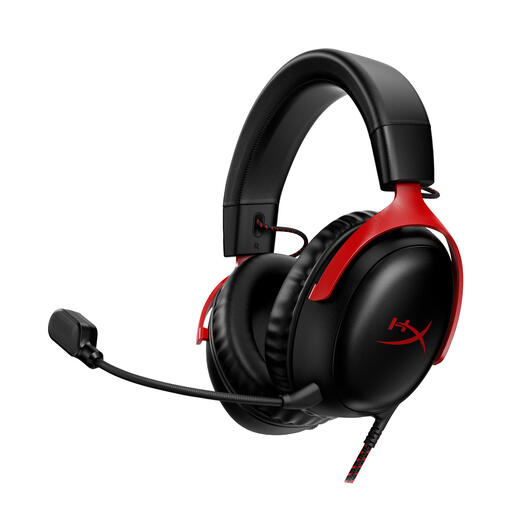
HyperX Cloud III wired
A wired headset for recording with a device that supports one of the listed connections.
The product description lists a detachable microphone, mute function and 3.5 mm, USB-A and USB-C connections.
View at Joybuy
Frequently asked questions
How can I check that my voice is being recorded before the presentation?
Select the headset as the microphone input in your recording software and check that the microphone isn’t muted. Record a short clip and listen back. The Logitech manual recommends checking the mute setting, USB connection and input settings when troubleshooting.
How can I keep my headset in good condition while practising?
Avoid putting strain on the cable and connection, and check the mute setting if a recording has no sound. You’ll also need to charge a wireless model. Follow the cleaning instructions for your exact model.
Can I return a headset bought online or make a warranty claim?
For online purchases by consumers in the Netherlands, there is a statutory cooling-off period. According to ACM ConsuWijzer, it lasts until 14 days after the product has been delivered, subject to applicable exceptions. This is separate from your statutory rights if a product, when used normally, doesn’t meet what you could reasonably expect. The retailer is your point of contact for this.
Can I record and share my presentation with classmates?
Check with your school in advance whether you’re allowed to record others or share material with them. The Dutch Data Protection Authority outlines specific GDPR obligations when a school creates and publishes recognisable images of pupils or staff. This situation isn’t automatically the same as every private audio recording.


