Who is this guide for?

Creator recording in a reverberant room

You want to record a short, clear ident and can hear room reflections when you listen back. A test recording in your own space and control over the microphone position will help you work out what your recording needs. Shure discusses microphone placement and listening back to voice recordings.

Radio producer with an existing audio setup

You want to speak and monitor at the same time, and can check which microphone and headphone connections your mixer or recorder has. The product specifications from Audio-Technica, Sennheiser and beyerdynamic show why the exact connections vary by version.

Creator recording directly to a computer

You’re looking for a wired headset for computer recordings and want to check that it’s compatible with your device and recording software. Judge the saved recording, not just how chat or monitoring sounds; RØDE explains how monitoring settings can make your voice sound doubled in your headphones.

What should you look for when buying?

Broadcast headset

A good fit if: you want to monitor professionally while recording, and your setup supports the microphone and headphone connections.

Bear in mind: check the exact version, cable and connections; some models need a separate cable. Audio-Technica, Sennheiser and beyerdynamic publish different microphone specifications, but these are not measured guarantees against room reverberation.

Wired computer headset

A good fit if: you want to record on a computer and a test recording confirms that your voice sounds clear enough.

Bear in mind: claims about chat quality don’t necessarily tell you how a radio ident will sound or how much reverberation your room will pick up. HyperX describes the Cloud III as a headset for calls and chat.

What to consider What should you check? Who is this important for?
Voice and room reverberation Check whether the boom is adjustable and compare test recordings made with the same script and microphone position. When I record in a reverberant room, I want to keep the microphone close to my mouth every time. A clear voice with less audible room reverberation is the top priority for around 42% of consumers.
Connection Compare the ports on your recorder or computer with the connections and supplied cable for the exact version. I want to connect my recorder or computer without discovering afterwards that a cable is missing. Compatibility with existing recording equipment is the most important factor for around 25% of consumers.
Monitoring Decide whether you want to listen with your ears covered or still hear what’s happening around you; if you hear an echo, check your monitoring settings too. While recording, I want to hear the ident as I speak and know whether I need to hear external cues. Monitoring is the top priority for around 17% of consumers.
Equipment required Check whether your chosen headset needs a separate cable, interface or other connection. I want to know in advance what I need to complete my recording setup. Additional equipment is the main concern for around 16% of consumers.

Common buying mistakes

  • Assuming a noise-cancelling claim guarantees protection from room reverberation

    A claim about clear chat doesn’t prove how your voice will sound against room reflections in a radio ident.

    Record a test in your own space using the same script and listen back to the saved file. Also check that you can keep the microphone close to your mouth in a consistent position.

  • Focusing only on the headset and forgetting about the connections

    A broadcast headset may have separate professional connections. The beyerdynamic DT 297 is supplied without a connection cable; Audio-Technica lists separate microphone and headphone connections for the BPHS1.

    Before choosing, check the exact model version, the ports on your recorder or computer, and which cables you’ll need.

    Some versions need a separate cable or a compatible recording interface to connect your complete recording setup.

  • Mistaking an echo in your headphones for room reverberation

    Direct monitoring and software monitoring at the same time can make your voice sound doubled in your headphones; that doesn’t necessarily mean the echo is in the saved recording.

    Listen back to the recording and check the monitoring route before choosing different hardware. For the USB microphone setup described, RØDE recommends muting software playback of your voice while recording.

Brands to compare

Audio-Technica

The BPHS1 and BPHS2 are broadcast headsets for speaking and monitoring; their stated microphone polar patterns differ.

  • Audio-Technica lists a cardioid dynamic microphone, closed-back earcups and separate connections for the BPHS1. The manufacturer says the BPHS2 has a hypercardioid dynamic microphone.
  • These specifications are not an independent measurement of reverberation reduction. Check the connections on the version you choose.

Sennheiser

Sennheiser describes the HMD 300 as a closed-back broadcast headset for voice communications and monitoring.

  • Sennheiser specifies a dynamic supercardioid boom microphone and switchable ActiveGard limiter for the HMD 300.
  • Its stated suitability for noisy environments doesn’t prove how the headset will perform in a reverberant room at home. Check the version and cabling.

beyerdynamic

beyerdynamic describes the DT 297 PV MK II as a closed-back broadcast headset with a cardioid condenser microphone.

  • The manufacturer lists an adjustable microphone arm and various connection cables for the DT 297 models.
  • DT 297 versions are supplied without a connection cable. Before buying, check which cable and power supply you need, and which impedance version is right for you.

Shure

The BRH31M is a single-sided broadcast headset for anyone who wants to hear external cues while speaking.

  • Shure specifies a dynamic cardioid microphone and replaceable earpads and windscreens for the BRH31M.
  • The single-sided design doesn’t provide the same coverage on both ears as a closed-back stereo headset. Also check the finish of the cable version you choose.

HyperX

HyperX describes the wired Cloud III as a computer and gaming headset that you can consider for recording.

  • HyperX lists a boom microphone and several connection options for the Cloud III.
  • The product description focuses on chat and calls and doesn’t show how the headset will record a radio ident in a reverberant room.

Headsets at Joybuy

This Joybuy selection includes headsets for voice communications, including wired models for computer and gaming use. Check the connection for each model and assess the recorded sound with a test recording in your own space.

Jabra Evolve2 75 headset

Jabra Evolve2 75 headset

The product information positions this headset for professional communications; make a test recording to assess how your voice and room reverberation sound together.

View at Joybuy

Jabra Evolve2 75 USB-A MS Teams, Black

Jabra Evolve2 75 USB-A MS Teams, Black

This version is designed for voice communications; check that USB-A is compatible with your computer and make a test recording of your voice.

View at Joybuy
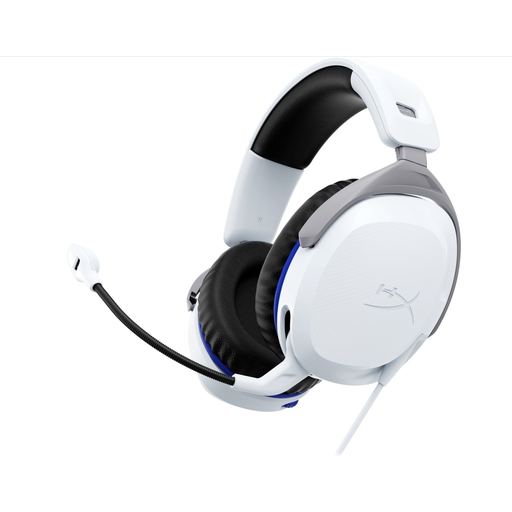
HyperX Cloud Stinger II wired gaming headset, white, PS5/PS4

HyperX Cloud Stinger II wired gaming headset, white, PS5/PS4

This wired gaming headset could be an option for a wired recording setup; check that the connection works with your recorder or computer, then listen back to a test recording.

View at Joybuy

Jabra EVOLVE 30 II MS stereo headset

Jabra EVOLVE 30 II MS Stereo headset

The product information lists this headset for computer communications; check that the connection is compatible and assess the recording using a test file.

View at Joybuy

Kingston USB Hi-Fi Headphones with Microphone

Kingston USB Hi-Fi Headphones with Microphone

This USB model with a microphone could suit a computer setup if your device supports USB headsets; make a test recording to assess the result in your space.

View at Joybuy

Frequently asked questions

Will a cardioid headset microphone remove the reverberation in your room?

No, there’s no guarantee. Positioning a microphone close to your mouth and adjusting its direction can help your direct voice sound stronger in relation to the room noise, but the room’s acoustics will still play a part. Make a test recording and listen back to it.

Why can I hear an echo in my headphones but not necessarily in the recording?

If direct monitoring and software monitoring are both on, you may hear your voice twice in your headphones. Check the monitoring route and listen back to the saved file; this will help you tell whether you’re hearing monitoring echo or room reverberation in the recording. For the USB microphone setup described, RØDE recommends muting software playback of your voice while recording.

Can you connect a broadcast headset straight to your laptop?

It depends on the headset version and your laptop’s connections. Audio-Technica lists a separate XLR microphone plug and 6.3 mm headphone plug for the BPHS1; beyerdynamic supplies the DT 297 without a connection cable. Before buying, check the full signal chain and any cables you might need.

What can you do if the headset doesn’t work as expected after purchase?

When you buy as a consumer, you’re entitled to a legal guarantee if a product doesn’t perform as you could reasonably expect under normal use; the seller must then offer a solution under the applicable terms. For online consumer purchases, you often have a 14-day cooling-off period after delivery, subject to legal exceptions. ACM ConsuWijzer explains these Dutch consumer rules.
