
Quiz host with an expressive delivery
You switch between calm and enthusiastic lines and want to adjust the microphone position without having to keep leaning back towards a desk microphone.


Start by checking that the connection matches your recording device, then make a test recording using both your quietest and most enthusiastic quiz lines. A USB headset can make connecting to your computer straightforward. A broadcast headset may need separate audio connections and sometimes a suitable cable. An adjustable microphone boom gives you room to position the mic near your voice, but the best way to check its position is to record yourself.
You switch between calm and enthusiastic lines and want to adjust the microphone position without having to keep leaning back towards a desk microphone.
You want to record and play back your audio easily. Your computer’s connections can help you decide whether a USB headset or another connection is right for you.
You have recording equipment with separate audio inputs and want to check the right cable, connector type and monitoring setup in advance.
Suitable if: you want to record directly on a computer and value a straightforward connection.
Bear in mind: you need the right USB-A or USB-C version. The connection alone won’t tell you how your voice will sound in your space.
Suitable if: you want to record and listen back through the same device, provided its input supports the supplied TRRS cable.
Bear in mind: the cable is essential for the microphone function; a standard headphone cable won’t necessarily work.
Suitable if: you already have a compatible audio interface or mixing desk and want to connect the microphone and headphones separately.
Bear in mind: some versions are supplied without a connection cable. Check the full model variant and the inputs on your equipment.
Suitable if: you already have suitable headphones and mainly want a microphone that moves with your head.
Bear in mind: a standalone microphone isn’t a complete headset for listening. Check the connection and whether that version needs power, too.
| What to consider | What should you check? | Who is this important for? |
|---|---|---|
| Clear voice | Adjust the microphone boom and record lines at different speaking volumes. Listen for plosives and distortion. | When I speak enthusiastically, I want my voice to remain clear. Around 36% of consumers prioritise keeping their voice steady. |
| Connection | Compare the exact headset version, the ports on your recording device and the cable supplied. | I want to connect to my existing equipment without needing unexpected cables or adapters. Around 29% of consumers give ease of connection top priority. |
| Sound in the recording space | Test the headset where you plan to record. Closed-back earcups and microphone noise reduction are different features. | If there’s background noise or echo where I record, I want to know how clear my voice will sound there. Around 21% of consumers prioritise handling room noise. |
| Monitoring | Check that the headset has earcups and that your recording device is using the intended microphone as its input. | I want to be able to check my voice while recording or afterwards. Around 14% of consumers name monitoring as their main consideration. |
The standard version of the Audio-Technica BPHS1 has separate microphone and headphone plugs. The Sennheiser HMD 26 and beyerdynamic DT 297 PV MK II models mentioned here are supplied without a connection cable.
Before buying, check the full model variant, the cable supplied and the inputs on your existing equipment.
According to RØDE, the supplied TRRS cable is required for the microphone on the RØDE NTH-100M. The separate NTH-Cable is a TRS cable and won’t work with the NTH-100M microphone.
Check the full cable name and connector function. A matching plug size alone doesn’t guarantee that the microphone will work.
Earcups help shield the wearer from ambient noise while listening; they don’t affect what the microphone picks up in the same way. The microphone’s distance and direction also affect the recorded sound.
Make a test recording in your own space and listen back through the recording setup you plan to use.
The BPHS1 is a broadcast headset for speech, with an adjustable microphone boom and closed-back earcups.
The NTH-100M combines headphones with a detachable microphone for spoken content.
The H390 is a USB computer headset with in-line controls.
The DT 297 PV MK II is a closed-back broadcast headset with a condenser microphone.
The HMD 26 is a broadcast headset for setups where the connection cable is chosen separately.
These Joybuy products are headsets with microphones for anyone who also wants to listen through a headset while recording. Check that each model’s connection suits your recording device, and make a test recording before relying on it for a quiz intro.
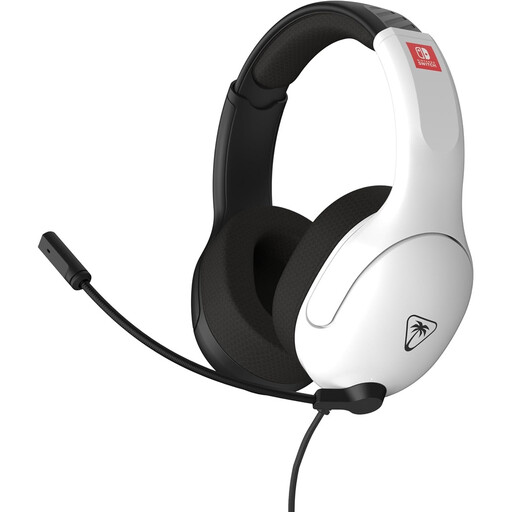 No image available
A wired headset with a microphone, so you can listen through the earcups while recording.
The product name specifies a 3.5 mm connection and a flip-up mute microphone. Check that your recording device has a compatible input.
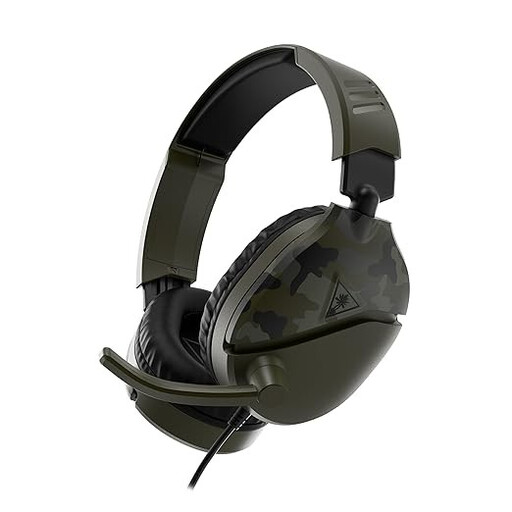 No image available
A wired over-ear headset with a microphone for anyone who wants to listen through the same headset while recording.
The product name specifies a 3.5 mm connection and a flip-up mute microphone. Check that your device has a compatible input and test the microphone in your recording software.
 No image available
This headset may be worth considering if its USB-A connection suits your computer and you also want to listen through the headset.
The product name specifies USB-A and MS Teams. Check whether your recording software can use the headset as a microphone input, then make a test recording.
Try positioning the microphone beside your mouth rather than directly in front of your airflow. Shure’s head-worn microphone guide recommends this position to help reduce plosives. Check the result with a test recording at both a quiet and a loud speaking volume.
First, check whether your device supports the microphone function through the cable and connection you’re using. RØDE specifies the supplied TRRS cable for the NTH-100M. For the Logitech H390, check that the USB-A or USB-C version is compatible with your computer.
It depends on the version. The standard cable for the Audio-Technica BPHS1 has separate microphone and headphone plugs, while the beyerdynamic DT 297 PV MK II and Sennheiser HMD 26 models mentioned here are supplied without a connection cable. Before buying, check the exact version and the inputs on your equipment.
For online consumer purchases, there is generally a 14-day cooling-off period after delivery, subject to legal exceptions, as ACM ConsuWijzer explains. According to the Dutch government, good-quality products in the Netherlands don’t have a fixed statutory warranty period; if something is faulty, you can contact the seller.
It depends on the recording and how it’s published. The Dutch Data Protection Authority says that publishing personal data online generally requires a lawful basis under the GDPR, and public publication often requires consent. Consider the specific circumstances; this information doesn’t amount to general permission or a ban on every audio recording.